
1. Introduction
Okay, I’m about to tell you something that might sound a bit wild: January is actually an incredible time to visit Kyoto. I know, I know—everyone flies to Japan in cherry blossom season or for golden autumn colors. But January? January is when Kyoto reveals something special that most tourists completely miss.
The city transforms into this incredibly peaceful, spiritually vibrant version of itself. Temples fill with locals making new-year prayers. Shrine grounds buzz with genuine cultural celebration rather than Instagram-seeking tourists. The winter air is crisp, the crowds are dramatically smaller, and the whole vibe feels authentic in ways that other seasons simply don’t.
I get it—winter in Japan sounds maybe not ideal. But here’s the thing: January in Kyoto isn’t actually that cold. More importantly, it’s when you experience Kyoto as a living, breathing city celebrating something genuinely important to its residents. That’s worth traveling across the world for, honestly.
2. Why January Is Kyoto’s Best-Kept Secret
2-1. The Truth About January Weather
Let me bust a myth right away: January in Kyoto isn’t brutally cold. Average temperatures hover around 3-7°C (37-45°F), which is genuinely manageable with proper clothing. Yeah, it’s chilly, but it’s not like visiting Hokkaido in the depths of winter. You’re not dealing with snow on ground level in central Kyoto—that’s rare.
The real advantage? Clear, crisp winter days with incredibly sunny skies. December and January are some of Kyoto’s clearest, sunniest months. This means stunning natural light for photography, zero humidity concerns, and genuinely beautiful weather for walking around all day. Compare this to the monsoon-style rain of June or the brutal humidity of August.
Winter sunlight hits differently than any other season. The low angle of the sun creates dramatic shadows and golden tones for several hours daily. Temple photography? Photography of any kind, really? January offers lighting conditions that photographers dream about.
Plus, rainfall is minimal. You’re not constantly checking weather forecasts worried about sudden downpours like spring and early summer. You get consistent, predictable weather that makes planning activities straightforward.
2-2. The Crowd Reality Check
Here’s the real magic: January features dramatically fewer tourists than literally any other time except maybe late November. We’re talking roughly 30% of April’s crowds. Walking through Arashiyama Bamboo Grove, you actually encounter mostly other tourists who deliberately chose this season rather than being completely crushed by thousands of people.
Major temples remain accessible. You can sit in temple gardens without constantly repositioning to avoid photobombing strangers. Restaurant reservations are genuinely available instead of booked months in advance. You can spontaneously decide to visit somewhere without worrying about whether you’ll find a space in the crowd.
This isn’t a small difference—it fundamentally changes your experience. You’re exploring Kyoto as a place where people live, not navigating a carefully orchestrated theme park version designed for peak season.
2-3. Hatsumōde: The Spiritual Heart of January Kyoto
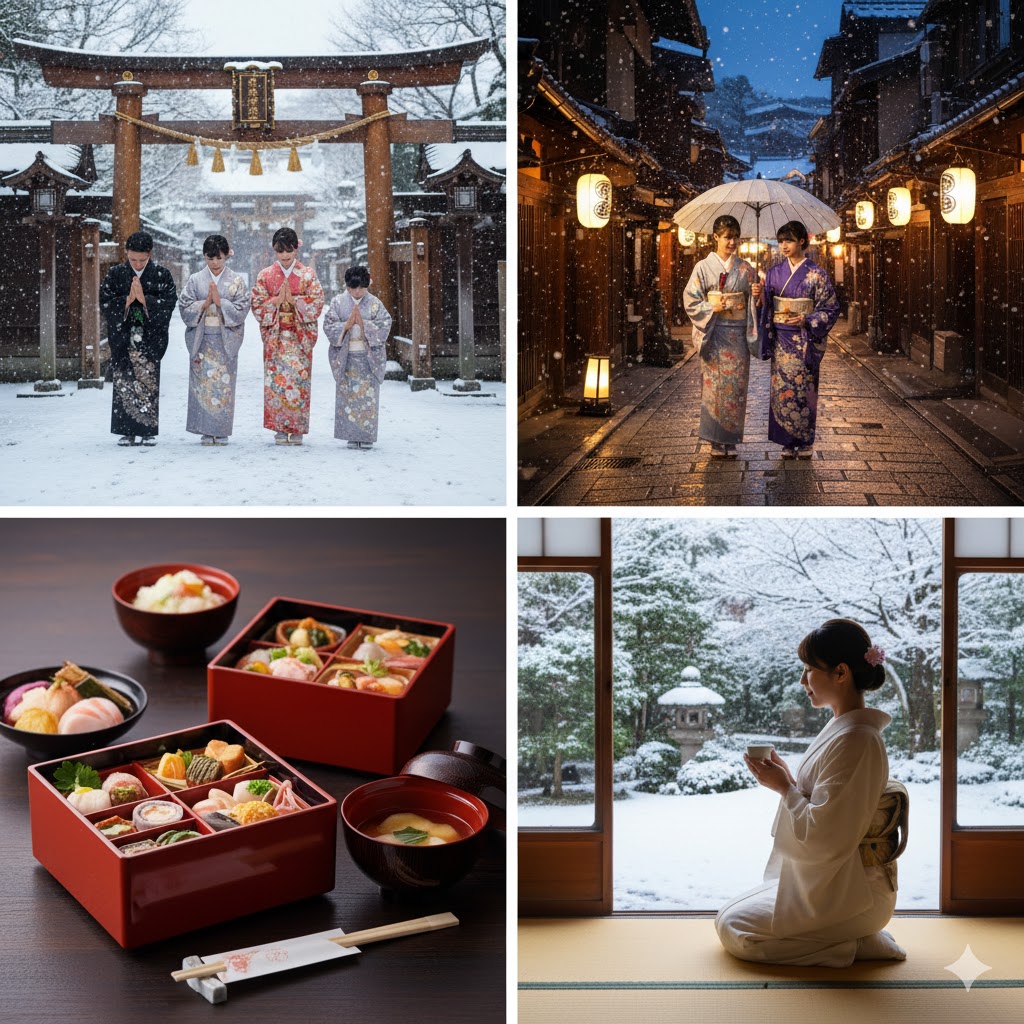
Hatsumōde (初詣) literally means “first shrine visit” of the new year. This isn’t some tourist-friendly event created for visitors—this is one of Japan’s most important spiritual traditions that millions of Japanese people participate in annually.
Starting January 1st through roughly mid-January, temples and shrines across Kyoto welcome visitors making prayers for the new year. This isn’t a quick visit—it’s a spiritual practice. Locals dress up (often in traditional clothing or their nicest outfits), bring families, and genuinely participate in something that matters to them culturally and spiritually.
What makes this special for visitors? You’re not observing Japanese culture—you’re participating in it. The energy at temples during hatsumōde is something genuinely magical. There’s this collective sense of hope, renewal, and community that’s impossible to fabricate or manufacture for tourists. It’s authentic Japanese culture happening in real time.
Fushimi Inari Shrine alone attracts around 3 million visitors during hatsumōde season—but because the temple grounds are so expansive, it never feels crushingly crowded. Thousands of vermillion torii gates create this otherworldly landscape that’s even more dramatic with winter light.
Kinkakuji (Golden Pavilion): The famous golden temple takes on different character in winter. Frost sometimes forms on the reflection pool, creating almost dreamlike photography opportunities. The winter garden aesthetic emphasizes the temple’s geometric beauty in new ways.
Kiyomizu-dera Temple: The wooden stage becomes even more dramatic when you can see across the city without spring haze. The temple’s architecture stands out starkly against winter skies.
3. Deep Dive: Understanding Hatsumōde and How Visitors Can Participate
3-1. The Hatsumōde Experience Explained
When you visit temples during hatsumōde season, here’s what happens: people arrive, wait in lines (sometimes long ones), approach the shrine’s offering box, ring the bell, bow, and make prayers. Some buy lucky charms or draw fortune predictions (omamori and omikuji). It’s a beautiful combination of spirituality and community ritual.
The energy is genuinely celebratory without being chaotic. There’s a sense of collective renewal and optimism. Families make it an outing. Couples visit together. Elderly people and young children participate side-by-side. There’s something genuinely moving about participating in something this culturally important.
As a visitor, you can genuinely participate. Show respect, follow the motions people around you are doing, and you’re part of something real. Temples and shrines generally don’t have “visitor” sections—you participate or you don’t. That’s the beauty of it.
3-2. Which Temples for Hatsumōde?
Fushimi Inari Shrine: The most famous hatsumōde destination in Kyoto. Expect crowds, but the sheer scale of the shrine means you never feel truly crushed. The thousands of vermillion torii gates create an atmosphere unlike anywhere else in Kyoto. Going early morning (before 8 AM) or late evening (after 5 PM) avoids peak crowds while maintaining the festival atmosphere.
Kiyomizu-dera Temple: Slightly less crowded than Fushimi Inari but equally important spiritually. The elevated view across Kyoto feels contemplative during winter. The wooden stage overlooking the city creates iconic viewing experiences.
Yasaka Shrine: Located in Higashiyama District, this smaller shrine offers hatsumōde experience without overwhelming crowds. Perfect if you want participatory spirituality without massive tourist populations.
Shimogamo Shrine: One of Kyoto’s most ancient shrines, featuring an incredibly peaceful forested setting even during hatsumōde season. The natural surroundings create a more meditative atmosphere.
Kinkakuji (Golden Pavilion): While technically a temple rather than a shrine, it participates in hatsumōde traditions. The winter setting creates uniquely beautiful photography opportunities.
Pro Tip: Visit early morning (6:30-8:00 AM) for significantly fewer crowds and better lighting. Most casual tourists sleep in; early visitors are mostly serious participants and dedicated photographers. You get genuine hatsumōde experience without peak-hour intensity.
4. January’s Other Festivals and Celebrations
Beyond hatsumōde, January features additional cultural celebrations worth knowing about:
4-1. Omisoka and New Year’s Eve
January 1st marks the beginning of official new-year celebrations. January 31st (Omisoka) still maintains celebratory atmosphere as temples prepare for January activities. You might catch final decorations being set up or temple preparations still in progress—genuinely interesting for understanding Japanese cultural preparations.
4-2. Ōmisoka Temple Cleaning
Various temples conduct large-scale cleaning during late December and early January (Ōmisoka). If you’re visiting early January, you might encounter temple staff doing significant maintenance or cleaning. This isn’t something to avoid—it’s genuinely interesting watching how temples prepare spiritually for the new year.
4-3. Sake Brewing Season
January kicks off sake brewing season at traditional breweries throughout Kyoto. Some breweries offer winter tours or tastings. The cold weather is actually optimal for sake fermentation, so there’s real cultural timing behind January brewery activities.
5. Winter Temple Visiting: Aesthetics and Practical Wisdom
5-1. The Beauty of Winter Temple Gardens
Winter temple gardens look radically different from other seasons, and honestly? The aesthetic is incredibly compelling. Gardens designed for spring abundance appear differently when frost or occasional light snow frames them. The architectural elements—stone lanterns, wooden structures, carefully arranged rocks—become more visually prominent without competing spring flowers.
This isn’t inferior to spring gardens—it’s just different. Japanese garden design deliberately plans for seasonal changes. Winter gardens emphasize structure, geometry, and subtle beauty in ways that spring abundance overshadows.
Ryoanji Temple: The famous rock garden appears almost stark in winter, which actually emphasizes its minimalist philosophy. The geometric arrangement becomes more apparent when surrounded by winter barrenness.
Ginkakuji (Silver Pavilion): The sand garden (karesansui) takes on different character during winter. The carefully raked patterns stand out sharply against winter skies.
Katsura Imperial Villa: Though requiring advance reservations, this villa showcases incredible winter aesthetic. The carefully designed gardens reveal different principles during dormant season.
5-2. Practical January Temple Visiting
Dress Smartly: Layer up! Thermal base layers, sweater, winter coat. Temples have stone or wooden floors that get cold. Bring warm socks—seriously, this matters. Hand warmers (kairo) are cheaply available at convenience stores and genuinely appreciated during temple visits.
Timing Strategy: Morning visits around sunrise offer incredible light and fewer crowds. Evening visits around sunset create different atmospheric opportunities. Midday is actually pleasant temperature-wise but crowded with other visitors.
Photography: Winter light creates stunning photography. The low sun angle and clear skies produce incredible photos. Bring good lenses—winter light rewards telephoto work. Phone photography works well too, but you’ll notice the difference that better equipment provides.
6. Where to Eat: January Kyoto’s Seasonal Cuisine
6-1. Winter’s Culinary Treasures
January marks the peak season for several Kyoto ingredients. Winter vegetables reach their sweetest flavor concentrations after surviving cold temperatures. Specific fish appear only during this season. Traditional new-year dishes celebrate the season in genuinely delicious ways.
Hotpot Cuisine (Nabe): This warming category includes sukiyaki, shabu-shabu, and yosenabe. Winter weather makes these communal dishes perfect for group dining. Restaurants serving nabe often have cozy counter seating where you watch food cook.
Winter Vegetables: Root vegetables like daikon and seasonal greens reach peak flavor in January. These appear in kaiseki (multi-course) meals and casual restaurant dishes alike.
River Fish: Winter brings specific river fish varieties. These appear in sashimi courses or grilled preparations.
Traditional New-Year Foods: Specific dishes carry new-year significance. Eating these connects you to Japanese cultural practices around renewal and hope for the coming year.
6-2. Kyoto Udon Ishin: Your January Dining Strategy
Location: Higashiyama District, Masuyacho Why January Works: The restaurant features seasonal menu adjustments perfect for winter. January udon bowls include winter vegetables, warming broths adjusted for cold weather appreciation, and seasonal ingredients at their peak.
Strategic Timing: Visit during off-peak hours (2:00-4:00 PM) when you’re eating alongside locals rather than tour groups. January’s lower tourism means fewer crowds even during regular hours. The restaurant’s genuine neighborhood atmosphere becomes especially apparent when crowded with actual residents taking lunch breaks.
Winter Experience: Winter broth served properly hot provides genuine warmth during temple-walking days. The restaurant’s casual, authentic atmosphere contrasts perfectly with formal temple visits—balancing your day between spiritual and genuinely comfortable.
Pro Tip: Arriving for early lunch (11:00-11:30 AM) avoids the peak lunch rush while ensuring optimal broth temperature. January’s weather makes the perfectly heated noodle bowl something genuinely appreciated rather than just consumed.
7. Practical January 2026 Planning Guide
7-1. Booking Strategy for January
Accommodations: January offers genuinely great deals. Being post-holiday season and pre-spring peak, prices drop significantly from November-December levels while availability remains good. You can often get better accommodations for less money compared to other seasons.
Booking Timeline: 4-6 weeks ahead usually secures good options at reasonable rates. You don’t need the 2-3 month advance booking required for peak seasons.
Hotel Selection: Business hotels become wonderful in January—quieter than peak seasons, well-maintained, and genuinely good value. Small guesthouses offer cozy atmospheres with heating systems designed for winter comfort.
7-2. Weather Preparation and Packing
Clothing Strategy:
Thermal base layers (genuinely important)
Sweater or fleece
Winter coat
Warm pants
Comfortable closed-toe shoes (temple walks involve stone floors)
Warm socks (critical for comfort)
Hat and gloves (optional but appreciated)
Scarf (multipurpose—warmth, sun protection, photography element)
Accessories:
Hand warmers (kairo) available at all convenience stores
Sunscreen (winter sun reflects off snow/surfaces)
Sunglasses (winter sun is surprisingly bright)
Small umbrella (occasional rain, though rare)
Photography:
Camera batteries drain faster in cold—bring extras
Lens cloths help with condensation when moving between cold outside and warm interiors
Tripod for sunrise/sunset photography
7-3. Transportation and Navigation
Getting Around: Kyoto’s bus system runs reliably in January. Day passes (¥700) cover unlimited rides. Walking remains the best transportation—just dress appropriately.
Cycling: Possible but requires careful attention to occasional icy patches. Walking is actually preferable in January compared to summer.
Trains: Keihan and Hankyu lines connect neighborhoods efficiently. Station heating provides warming breaks during extensive sightseeing.
7-4. Budget Breakdown
Daily Budget Estimate:
Accommodations: ¥7,000-12,000 ($45-80)
Food: ¥3,000-5,000 ($20-33)
Attractions: ¥2,000-3,500 ($13-23)
Transportation: ¥700-1,500 ($5-10)
Daily Total: ¥12,700-22,000 ($83-147)
January’s lower prices mean you can access better accommodations and dining experiences within standard travel budgets.
Money Tips: Carry ¥10,000-15,000 ($65-100) in cash. ATMs at 7-Eleven and post offices accept most international cards.
8. Photography in January: Winter Light Magic
8-1. Why January Photography Is Special
Winter’s low sun angle creates dramatically different lighting than other seasons. The light stays golden for much longer than summer’s brief golden hour. Shadows become graphic elements rather than problems to avoid.
Temple photography takes on new dimensions. Frost or occasional light snow creates texture. Clear winter skies provide color contrast. The low sun angle emphasizes architectural details.
8-2. Specific Photography Opportunities
Sunrise Photography: Head to elevated temples like Kiyomizu-dera or Kinkakuji around sunrise (around 7:00 AM in January). The golden light hitting temple structures from a low angle creates stunning photography. The garden reflections take on mirror-like quality during frost.
Forest Photography: Arashiyama Bamboo Grove and temple forests photograph beautifully in winter. The bare branches create different graphic compositions compared to leafed-out seasons. Frost adds texture elements.
Detail Photography: Macro or close-up photography reveals frost patterns, icicles, and winter plant details. These small details tell winter stories differently from landscape photography.
Evening Photography: Winter sunsets happen early (around 4:30-5:00 PM). The twilight period features incredibly beautiful light. Temples illuminated against darkening skies create dramatic evening photography.
Pro Tips:
Shoot in RAW for maximum editing flexibility
Use telephoto lenses to compress distant temple perspectives
Include people for scale—temples feel smaller without human elements for reference
Capture details: frost patterns, bare branches, empty paths create compelling compositions
9. January Cultural Experiences Beyond Tourism
9-1. Tea Ceremony Experiences
Various temples offer tea ceremony experiences during January. The formal setting combined with winter warmth creates genuinely meditative experiences. These aren’t performances—they’re invitations into actual practices that shape Japanese aesthetics.
Pricing: Usually ¥1,500-3,000 for casual visitor experiences Duration: 1-2 hours including instruction Booking: Reserve ahead through your accommodation or tourist information centers
9-2. Meditation and Zen Practice
January attracts people seeking spiritual renewal. Several temples offer meditation sessions suitable for beginners:
Nanzenji Temple: Zazen (sitting meditation) sessions throughout January Ryoanji Temple: Meditation programs emphasizing rock garden contemplation Kennin-ji Temple: Introductory Zen practices for visitors
These aren’t tourist activities—they’re genuine spiritual practices. Participation requires respect and genuine engagement.
9-3. New-Year Market Experiences
Several neighborhood markets hold new-year special events. These aren’t tourist-focused—they’re neighborhood gatherings where locals celebrate the season. Buying products, sampling foods, and chatting with vendors provides authentic community experiences.
10. Why January 2026 Specifically
10-1. Calendar Advantages
January 15, 2026 falls on a Thursday, meaning the middle of January hatsumōde season lands on a weekday. This timing means slightly fewer weekend crowds while maintaining full hatsumōde festival atmosphere.
January 2026 contains no unusual Japanese holidays disrupting standard operations. Your planning has maximum flexibility without competing against domestic holiday periods.
10-2. Building Anticipation
Planning your January 2026 trip now gives months to research, gather appropriate clothing, study temple histories, and genuinely prepare mentally for a very different Kyoto experience.
The lead time allows building excitement around something genuinely countercultural—choosing winter over the Instagram-famous seasons. This mindset shift actually enhances your experience.
11. Comparing January to Other Seasons
11-1. January vs. Spring (March-May)
Spring: Famous cherry blossoms, moderate temperatures, absolutely packed with tourists, expensive accommodations, rushed experiences navigating crowds.
January: Authentic hatsumōde traditions, clear winter light, genuinely peaceful exploration, excellent value, spiritual atmosphere dominating over photography-focused tourism.
11-2. January vs. Fall (September-November)
Fall: Beautiful autumn colors, still very crowded (though less than spring), comfortable temperatures, expensive.
January: Fewer crowds than fall, unique spiritual traditions, beautiful winter light, dramatically better value, different aesthetic entirely.
11-3. January vs. Summer (June-August)
Summer: Hot and humid, occasional typhoons, crowded, expensive.
January: Clear weather, crisp temperatures, peaceful exploration, great value.
January honestly compares favorably to every other season when you’re seeking authentic experience over famous photo locations.
12. Deep Dive: Understanding Japanese New-Year Traditions
12-1. Historical and Cultural Significance
The Japanese new year carries spiritual weight beyond Western calendar changes. New-year traditions reflect Buddhist and Shinto beliefs about renewal, spiritual cleansing, and approaching the new year with intention.
Hatsumōde specifically represents leaving the past behind and entering the new year spiritually prepared. The bell ringing awakens deities. The offerings demonstrate gratitude and intention. The entire practice carries meaning beyond casual participation.
Understanding this context transforms your experience from observation into genuine participation in something spiritually significant.
12-2. Omamori (Lucky Charms) and Omikuji (Fortune Predictions)
Temples and shrines sell omamori—small fabric charms believed to provide protection or blessing for specific intentions (health, relationships, studies, safe driving, etc.). These aren’t tourist souvenirs—they’re genuine spiritual purchases that locals make seriously.
Omikuji are folded paper fortunes. You draw randomly, read your fortune, and if it’s inauspicious, you tie it to a temple structure to leave the bad fortune behind. This practice carries real meaning for participants.
As visitors, purchasing omamori or drawing omikuji creates genuine participation in traditions rather than mere observation.
13. Seasonal Activities Perfect for January Kyoto
13-1. Winter Hiking
Kyoto’s surrounding mountains offer winter hiking with clear views and minimal crowds. The cooler weather makes extended hiking genuinely comfortable compared to summer.
Nearby Options:
Kurama to Kibune hike (moderate, scenic, roughly 2 hours)
Mount Hiei trails (varied difficulty, forest environment)
Arashiyama to Sagatenryu trails (moderate, river views)
Proper shoes and layered clothing are essential. The rewards include peaceful forest experiences without summer crowds.
13-2. Hot Spring (Onsen) Visits
Several traditional onsen operate year-round in and around Kyoto. Winter bathing in outdoor onsen (with snow occasionally falling) creates genuinely memorable experiences combining natural warmth with cold air.
Nearby Options:
Kurama Onsen (about 45 minutes from central Kyoto)
Various neighborhood onsen throughout the city
Some accommodations feature onsen facilities
Winter onsen soaking combines physical warmth with meditative atmosphere impossible to replicate in other seasons.
13-3. Shrine and Temple Exploration
January’s clear weather and minimal crowds make extended temple exploration genuinely comfortable. Create your own temple-hopping routes based on interest rather than following standard guidebook recommendations.
14. Final Thoughts: Why You Should Actually Go in January
Look, I genuinely understand why everyone flies to Kyoto in April. Cherry blossoms are undeniably beautiful, and I’m not here to convince you they’re not worth experiencing.
But here’s what I am saying: January offers something spring doesn’t. It offers authentic Kyoto. It offers spiritual traditions that matter to residents beyond tourism. It offers clear, beautiful light and genuine peace. It offers excellent value and meaningful experiences that don’t require fighting through crowds.
January requires courage to choose differently. It requires accepting that the Instagram aesthetic won’t be cherry blossoms or golden leaves. It requires valuing authentic experience over famous backdrops.
But if you do choose January? You’ll experience Kyoto in ways that most tourists completely miss. You’ll participate in traditions that have shaped Japanese culture for centuries. You’ll walk through temples with clear sight lines and time for genuine reflection. You’ll eat food designed specifically for winter appreciation. You’ll photograph light that creates genuinely compelling images.
Your future self will absolutely thank you for choosing January.
15. Quick Reference: January 2026 Kyoto Planning Checklist
Best Dates: January 1-20 (peak hatsumōde season)
Must Experience:
Hatsumōde at Fushimi Inari or Kiyomizu-dera
Tea ceremony or meditation session
Winter temple gardens
Riverside walks in clear winter light
Pack:
Thermal layers, warm coat, winter accessories
Hand warmers (kairo)
Camera for winter light photography
Eat At:
Kyoto Udon Ishin (seasonal winter experience)
Traditional nabe (hotpot) restaurants
New-year special foods at local markets
Skip:
Peak tourism times (never comes in January)
Heavy crowds (seasonal advantage)
Embrace:
Early mornings for photography and fewer people
Winter aesthetics and spiritual traditions
Lower prices and better availability
Budget: ¥12,700-22,000 daily ($83-147)
Transportation: Bus day pass ¥700, walking preferred
Ready to book your unconventional January 2026 Kyoto adventure? Skip the crowds, embrace the peace, and experience Kyoto during one of its most spiritually significant seasons. The city’s waiting, and honestly? January just might be the best decision you make.
16. Deep Dive: Understanding Japanese New-Year Spiritual Practices
16-1. The Philosophy Behind Hatsumōde
Hatsumōde represents far more than just visiting temples. The practice embodies Japanese philosophical approaches to time, renewal, and spiritual cleansing. Understanding this deeper context transforms your January visit from tourism into genuine cultural participation.
In Japanese tradition, each new year represents a fresh start spiritually. The previous year’s accumulated spiritual heaviness gets released. Visiting shrines and temples represents intentionally engaging with this renewal process. The act itself—ringing bells, offering coins, making prayers—isn’t superstition. It’s ritualized intention-setting that cultures worldwide practice in different forms.
16-2. Spiritual Elements You’ll Encounter
Torii Gates: The distinctive red gates (torii) you see at shrines mark the boundary between sacred and everyday space. Passing through represents transitioning from ordinary space into spiritual practice. Photographing torii gates is encouraged—they’re iconic for good reason.
Ema (Wooden Prayer Plaques): These small wooden tablets allow you to write personal prayers or intentions for the new year. The act of writing creates personal engagement beyond just participating in ceremony. Many visitors purchase ema expressing specific hopes—academic success, health, relationship blessings.
Bells and Gongs: The loud metallic sounds serve practical and spiritual purposes. Practically, they announce your presence to deities. Spiritually, they mark the moment of your prayer—your voice combined with the bell’s sound creates this distinctive moment.
Salt and Water: You’ll see purification stations with water and salt. These aren’t decorative—they represent cleansing before entering deeper sacred spaces. Observing these practices teaches you about Japanese concepts of purity and preparation.
16-3. Personal Spiritual Experiences Without Religious Obligation
Here’s something important: you don’t need to be Buddhist or Shinto to participate meaningfully. These traditions welcome genuine participation regardless of background. No one examines your religious credentials or questions your right to participate.
Think of it less as religious practice and more as cultural ritual with spiritual dimensions. You’re participating in something ancient and meaningful without needing conversion or particular beliefs. This is genuinely appreciated—the inclusive openness to sincere participation regardless of background.
17. January Transportation Logistics and Neighborhoods
17-1. Getting to Specific Temples
To Fushimi Inari: JR Nara Line to Inari Station (approximately 15 minutes from central Kyoto) To Kiyomizu-dera: Bus to Gojo-zaka bus stop, then 10-minute walk uphill To Kinkakuji (Golden Pavilion): Bus 101 or 59 directly to temple To Shimogamo Shrine: Bus or 15-minute walk from Kyoto University area To Yasaka Shrine: Higashiyama District, easily walkable from temples in that area
Pro Tip: Consider getting a Kyoto Bus One-Day Pass (¥700) if you’re hitting multiple temples. Individual fares run ¥230 each; the day pass pays for itself after three rides.
17-2. Neighborhood Exploration Strategy
Higashiyama District: Temple-central, featuring multiple temples within walkable distance. This is genuinely the best area for temple-focused January visits.
Central Kyoto (Nakagyō Ward): Less temple-focused but features shopping, dining, and cultural venues. Useful for balancing temple days with other activities.
Kurama and Kibune: Mountain villages north of central Kyoto, featuring temples in more remote settings and hot springs. Consider day trips here for different atmosphere.
Arashiyama: Famous for bamboo groves and temples west of central Kyoto. Beautiful in any season but particularly peaceful in January.
17-3. Practical Day Planning: Sample January Itinerary
Day 1: Hatsumōde Experience
Morning: Arrive Fushimi Inari early (6:30 AM), catch sunrise light, experience minimal-crowd early hatsumōde atmosphere Late Morning: Explore temple grounds, enjoy quiet spaces as other visitors begin arriving Afternoon: Lunch at traditional restaurant, explore Kurama or neighborhood temples Evening: Rest, prepare for remaining days
Day 2: Temple Deep Dive
Morning: Visit Kiyomizu-dera temple at sunrise Late Morning: Walk through Higashiyama District, explore smaller temples Afternoon: Lunch at Kyoto Udon Ishin, rest, photograph in golden afternoon light Evening: Evening temple visit to capture sunset lighting
Day 3: Winter Activities and Photography
Morning: Winter photography at favorite locations Afternoon: Tea ceremony experience or meditation session Evening: Explore night markets or neighborhoods you haven’t seen Night: Rest and plan remaining days
18. January’s Unique Photography Opportunities
18-1. Why Winter Photography Stands Apart
Winter light creates photographs fundamentally different from other seasons. The low sun angle produces shadows that become compositional elements rather than problems. Frost creates texture. Clear skies provide color contrast.
Frost and Ice: After cold nights, frost sometimes coats temple structures, vegetation, and surfaces. This creates stunning macro and detail photography opportunities that summer never offers.
Mirror Reflections: Cold water sometimes becomes mirror-like before sunrise. Temple reflections in still water create doubled beauty.
Bare Branches: Without leaves, branch structures become visible—graphic elements creating interesting compositions.
Golden Hour Extension: Winter’s low sun angle means golden light extends longer during morning and evening hours. You get extended shooting windows compared to summer’s brief golden hour.
19. Food Exploration Beyond Restaurants
19-1. Street Food and Market Experiences
January features specific street foods worth seeking:
Takoyaki (octopus balls): Popular year-round but different preparation in winter Oden: Warming hot-pot style street food—basically winter comfort food Mochi: New-year specific rice cakes with ceremonial significance Amazake: Sweet rice drink served at temple festivals, genuinely warming
Nishiki Market: Kyoto’s famous food market operates year-round. January features new-year special foods and products. Browse vendor stalls, sample products, and genuinely interact with market culture.
19-2. Convenience Store Discoveries
Don’t underestimate convenience stores (7-Eleven, Lawson, FamilyMart). January features seasonal limited-edition items—unique instant noodles, special drinks, seasonal snacks. These aren’t fancy, but they’re genuinely interesting reflections of Japanese seasonal eating.
20. Why Winter Requires Mental Preparation
20-1. Embracing the Aesthetic Shift
Winter aesthetics require different mindset than spring cherry blossoms or fall colors. Winter gardens appear stark without blooming flowers. Bare branches create graphic compositions. This requires appreciating minimalism and subtlety over abundance.
This actually aligns with traditional Japanese aesthetic philosophy, which often values restraint and suggestion over abundance. Experiencing winter Kyoto teaches you to see beauty in emptiness and suggestion.
20-2. Cold Weather Mindset
Yes, you’ll be cold sometimes. Genuinely cold. But here’s the thing—proper preparation makes cold manageable and even enjoyable. Hand warmers, thermal layers, and hot tea combine to create genuinely comfortable experiences even in chilly weather.
The cold also keeps crowds lower (another advantage), creates crisper air for photography, and makes warming experiences (hot springs, hot tea, hot noodles) genuinely appreciated rather than just consumed.
20-3. Social Dynamics
January attracts fewer tourists, which means fewer English-speaking individuals and possibly less assumption that you speak English. This requires patience, more hand gestures, and sometimes getting lost. But it also means more genuine local interactions and fewer tourist-specific accommodations.
For some travelers, this is genuinely preferable. You’re required to engage more authentically with culture rather than receiving pre-packaged tourist experiences.
21. January vs. Other Months: Honest Comparison
21-1. Quality of Experience
Spring (March-May): Famous, Instagram-famous, absolutely packed, expensive, rushed Summer (June-August): Hot, humid, expensive, crowds Fall (September-November): Beautiful, crowded, expensive January: Authentic, peaceful, affordable, spiritually significant
January doesn’t compete on “famous photo locations” basis. It competes on genuine experience basis—and wins convincingly.
22. Final Thoughts: Making the January 2026 Decision
Look, I genuinely understand the hesitation about choosing winter. Every travel influencer showcases spring cherry blossoms and fall colors. Winter travel sounds counterintuitive.
But here’s what January actually offers: authenticity. You get Kyoto celebrating something genuinely important to residents rather than performing for tourists. You get light that photographers dream about. You get temples and shrines where you can actually sit and think. You get costs that don’t require selling your possessions.
You get an experience that transforms how you understand travel. Instead of checking boxes on famous locations, you’re participating in traditions that have shaped culture for centuries.
January 2026 in Kyoto represents choosing differently. Choosing authenticity over Instagram aesthetics. Choosing genuine experience over famous backdrops. Choosing something genuinely special that most tourists never experience.
If you choose January? You’ll return home with stories that go far deeper than “I saw cherry blossoms.” You’ll have participated in something spiritually significant. You’ll understand Kyoto beyond surface-level tourism.
Your future self absolutely will thank you.
Ready to book your January 2026 Kyoto adventure? Embrace the winter, participate in ancient traditions, and experience Kyoto as something genuinely transformative. January awaits, and honestly? It might just change how you travel forever.
23. Extended Guide: Understanding Kyoto’s Winter Landscape
23-1. Historical Context: Why January Matters to Kyoto
Kyoto held the imperial capital for over 1,000 years. New-year traditions developed in this context—the imperial court celebrating renewal with rituals that shaped the entire nation’s practices. Participating in January hatsumōde connects you to this thousand-year history.
23-2. The Intersection of Buddhism and Shinto
An interesting aspect of January traditions: Japan seamlessly blends Buddhist and Shinto practices. Technically, shrines are Shinto and temples are Buddhist, but during hatsumōde, both traditions coexist peacefully.
Shinto Shrines (jinja): Associated with nature spirits and ancestral veneration. Recognizable by torii gates, rope decorations, and generally simpler architecture.
Buddhist Temples (tera): Associated with Buddha teachings and spiritual practice. Usually feature more elaborate architecture, multiple structures, and contemplative gardens.
Understanding this distinction enriches your experience. You’re not just seeing structures—you’re observing a cultural system where different spiritual traditions coexist and support each other.
23-3. January’s Spiritual Calendar
Beyond hatsumōde, January features additional events worth understanding:
January 1-20: Main hatsumōde season, temples and shrines busiest January 9-11: Komeba Festival (celebration of business prosperity) January 15: Coming-of-Age Day (seijin no hi) in Japan—young people in traditional dress celebrating adulthood Late January: Various temple-specific ceremonies and events
Timing your visit around these dates adds layers of cultural understanding and different atmospheric experiences.
24. Advanced January Photography Guide
24-1. Technical Camera Settings for Winter Light
Exposure: Winter’s lower sun angle and reflective snow/surfaces sometimes fool exposure meters. Bracket shots (take multiple exposures) to ensure you capture optimal lighting.
White Balance: Winter’s cool tones sometimes require manual white balance adjustment. Experiment with different temperature settings to capture warmth or coolness intentionally.
ISO: Winter’s high-angle sun paradoxically still requires higher ISO in shadows due to extreme contrast. Don’t hesitate to push ISO—winter grain is often aesthetically pleasing.
Aperture: The low sun angle creates interesting shadow details. Stopping down (using smaller aperture like f/8) emphasizes detail and creates more interesting depth.
24-2. Composition Strategies for Winter Temples
Layering: Use frost or ice as foreground elements to create depth. Trees with frost create interesting foreground texture framing distant temples.
Symmetry: Winter’s bare trees sometimes create geometric patterns. Emphasize these patterns through careful composition.
Reflection: Cold water sometimes creates mirror-like reflections. Position yourself to capture these duplicated images for compositional impact.
Minimalism: Winter encourages minimal composition. Use negative space deliberately. Empty snow or bare ground becomes compositional element rather than void to avoid.
25. Accommodation Strategies for January
25-1. Booking Beyond Standard Hotels
While business hotels work well, consider alternatives:
Temple Accommodations (Shukubo): Stay overnight at temples offering visitor accommodations. Wake early for temple ceremonies, eat vegetarian meals prepared by monks, and genuinely immerse yourself in temple life. This transforms January into something genuinely transformative.
Traditional Inns (Ryokan): Many ryokan offer winter package deals including hot spring bathing (onsen) and multi-course meals. The experience combines cultural immersion with genuine comfort.
Boutique Guesthouses: Small, independently operated guesthouses often offer more character and personalization than large chains. Owners frequently provide local insights impossible to get from standard guidebooks.
Airbnb with Local Hosts: Some apartments in residential neighborhoods offer authentic experiences living alongside locals rather than in tourist-focused areas.
25-2. Heating and Comfort Considerations
January accommodations differ significantly in heating approach. Some feature traditional heating (sometimes minimal) versus modern systems. Ask explicitly about heating when booking—this genuinely affects comfort.
Hot spring access (onsen or sentoō) becomes genuinely valuable in January. Even business hotels sometimes feature small bathing facilities. These become retreat spaces after cold days of temple exploring.
26. January’s Culinary Traditions Beyond Restaurants
26-1. Seasonal Sake Tastings
January marks sake brewing season, and several breweries open for winter tastings. Some offer educational tours explaining brewing processes. Drinking sake directly from breweries connects you to production craft in ways that restaurant bottled sake doesn’t.
Nearby Options:
Sake breweries in Fushimi district (sake brewing heartland)
Various Kyoto breweries offering winter tours
26-2. New-Year Food Symbolism
Specific foods carry new-year significance:
Mochi (Rice Cakes): Symbolizing unity and continuity Ozoni (Soup): Traditional new-year soup featuring symbolic ingredients Kuromame (Black Soybeans): Symbolizing health and hard work Omochi with Nori (Seaweed): Symbolizing prosperity
Understanding symbolism deepens appreciation for what you’re eating beyond just flavor.
26-3. Tea Ceremony in Winter Context
Tea ceremony takes on different character in winter. Seasonal decorations reflect winter themes. Hot tea serves practical warmth function beyond aesthetic appreciation. The entire experience emphasizes different sensory aspects compared to other seasons.
27. Common January Concerns Addressed
27-1. “Won’t It Be Too Cold?”
Reality: Proper clothing makes it genuinely manageable. Layers, hand warmers, and hot beverages combine to create comfortable experiences. People live here year-round—it’s not brutally cold.
27-2. “Will Everything Be Open?”
Reality: January is peak season for temple visits (hatsumōde), so temples actively prepare for visitors. Museums, restaurants, and attractions maintain normal operations. January is actually more stable for planning than typhoon season or cherry blossom crowds.
27-3. “Won’t Temples Be Crowded?”
Reality: Yes, but crowds are dramatically smaller than peak seasons. You’ll encounter crowds at famous temples like Fushimi Inari during peak hours (10 AM-3 PM), but early morning and evening remain accessible.
27-4. “Is English-Language Support Available?”
Reality: Less than peak seasons, but temple staff, hotels, and popular attractions still accommodate English-language visitors. Having translation apps helps, but the challenge becomes opportunity for genuine cultural interaction.
28. Why January 2026 Specifically Works
28-1. Calendar and Scheduling Advantages
January 1, 2026 begins on a Thursday, meaning the first full weekend falls January 3-4. This timing allows:
Taking time off work and arriving before January 1 to catch opening hatsumōde ceremonies
Staying through the peak week (January 1-10) without requiring excessive time off
Returning with time to decompress before returning to work
January 2026 contains no major Japanese holidays disrupting standard operations except New-Year itself. This means maximum scheduling flexibility without competing against domestic holiday crowds (which hit during late December through early January 1-2).
28-2. Building Anticipation Over Months
Starting January 2026 planning now (from the current timeframe) provides months to:
Research and book accommodations during sales periods (January 2025 onward)
Study temple histories and spiritual practices
Prepare appropriate clothing and equipment
Build genuine excitement around countercultural travel choice
This advance preparation transforms January from impulse trip into genuinely intentional journey.
29. Closing Perspective: The January Difference
January in Kyoto fundamentally differs from other seasons. It’s not about checking famous location boxes. It’s about participating in traditions that genuinely matter to residents. It’s about experiencing place as community rather than commodity.
You’ll encounter fewer Instagram backdrops. You’ll navigate fewer crowds. You’ll likely encounter fewer English speakers. You’ll probably spend less money. But you’ll gain something more valuable: authentic engagement with something genuinely significant.
January requires courage. It requires choosing differently from conventional travel wisdom. It requires trusting that peaceful, spiritual experiences matter more than famous photograph locations.
But if you make that choice? You’ll return home transformed. You’ll understand not just Kyoto but how to travel with genuine intention rather than following guidebook recommendations.
January 2026 awaits. It’s genuinely worth choosing.