
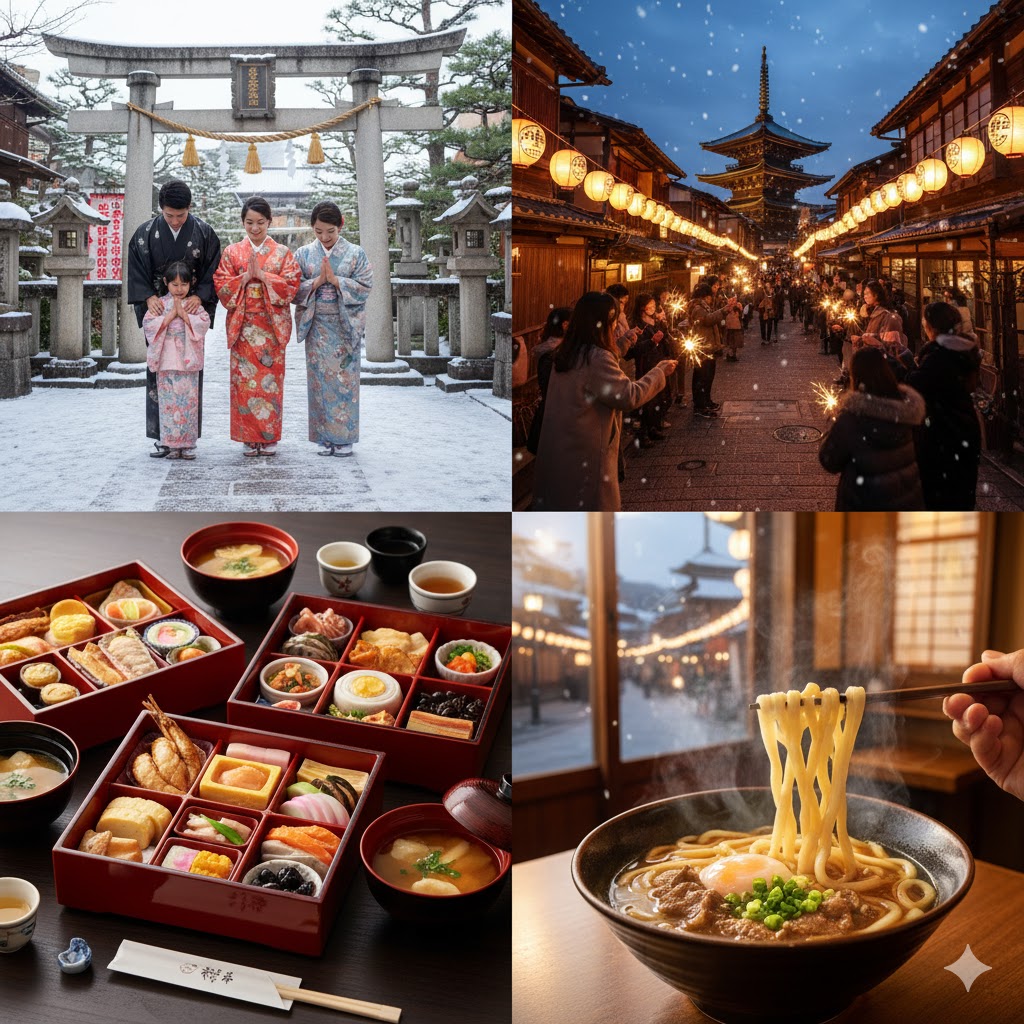
1. Introduction: Discover Kyoto’s Soul Through Food and History
Kyoto is calling you. Whether this is your first time visiting Japan’s ancient capital or your fifth, there’s something magical about beginning a new year in a place where tradition and modernity dance together on every street corner. But here’s the thing – you can’t truly experience Kyoto by just checking off a list of temples and shrines. Real travel happens when you connect with a place through its people, its stories, and most importantly, its food.
Welcome to our guide on exploring the stunning Higashiyama district while discovering authentic Kyo udon at 京うどん維新 (Kyo Udon Ishin), your new favorite comfort stop in the heart of Kyoto. Located in Masuyacho, Higashiyama Ward, we’re perfectly positioned to become part of your unforgettable Kyoto adventure.
Let’s dive into why this combination – world-class temples, atmospheric streets, and exceptional udon – is exactly what 2026 travel dreams are made of.
2. Section 1: Why Higashiyama District Is Kyoto’s Hidden Gem
2-1. The Gateway to Kyoto’s Soul
The Higashiyama district isn’t just another tourist spot – it’s the authentic heartbeat of Kyoto. While other areas of the city have modernized significantly, Higashiyama has managed to preserve its pre-war charm while remaining vibrant and welcoming to visitors. Walking these streets feels like stepping back in time, yet everything you need as a modern traveler is right at your fingertips.
This district, located in eastern Kyoto, is home to some of Japan’s most iconic cultural landmarks. More than 17 temples and shrines call Higashiyama home, making it one of the most spiritually significant areas in all of Japan. But what makes it truly special is how these historic sites are woven into the everyday fabric of the neighborhood. You’ll see locals grabbing coffee at a café housed in a 100-year-old wooden building, tourists photographing cherry blossoms against traditional roof tiles, and food vendors selling everything from matcha sweets to fresh grilled fish.
2-2. Why Visitors Love This Area
There’s a reason travel blogs constantly recommend Higashiyama. First, the concentration of attractions means you can experience the best of Kyoto without spending hours on transportation. Second, the neighborhood has managed to maintain its authentic character – you’re not just visiting a museum, you’re experiencing living history. Third, and perhaps most importantly, you get real access to local dining experiences. This is where residents actually eat, work, and spend their free time.
The area’s accessibility is another huge plus. Most major transportation hubs are within 15-30 minutes by bus or train, and the walkable streets mean you can explore at your own pace, stopping whenever something catches your eye.
3. Section 2: Must-See Attractions Near Kyo Udon Ishin
3-1. Kiyomizu-dera (清水寺) – The Temple That Defines Kyoto
Let’s start with the superstar: Kiyomizu-dera. This UNESCO World Heritage temple is perhaps the most iconic structure in Kyoto, and for good reason. Built in 778 AD on a hillside overlooking the entire city, Kiyomizu-dera features the famous wooden stage that juts out from the hillside – giving visitors the sensation of standing suspended above the city below.
The main hall, reconstructed in 1633, showcases stunning traditional Japanese architecture. But beyond the aesthetics, Kiyomizu-dera holds deep spiritual significance. The temple’s name literally means “pure water temple,” referring to the Otowa Waterfall below the main hall. Visitors traditionally drink from this waterfall, with the belief that each of its three streams offers different blessings – longevity, success in studies, or romantic love.
Insider tip: Visit early in the morning (before 7 AM if possible) to experience the temple with fewer crowds. The morning light filtering through the trees creates an ethereal atmosphere that’s absolutely worth the early wake-up call.
3-2. The Iconic Five-Story Pagoda (五重塔)
Just a short walk from Kiyomizu-dera stands Hokanji Temple’s striking five-story pagoda. This architectural marvel, dating back to 1440, is one of Kyoto’s most photographed landmarks. The pagoda’s elegant proportions and traditional craftsmanship represent the pinnacle of Japanese architectural achievement.
What makes this pagoda special isn’t just its beauty – it’s its presence. From various points in the neighborhood, you’ll catch glimpses of it framed between buildings, in alleyways, and from temple grounds. Photography enthusiasts could easily spend hours hunting for the perfect shot.
3-3. Ninenzaka and Sannenzaka (二年坂・三年坂) – Stepping Into the Past
These two pedestrian streets are living museums of Kyoto’s Edo period. Ninenzaka, meaning “Second Year Street,” and Sannenzaka, “Third Year Street,” are lined with beautifully preserved wooden buildings that now house shops, cafés, and restaurants. The names supposedly come from a temple legend – visitors who stumble on these streets won’t need to visit for another two to three years (getting the reference now?).
Walking these streets is an experience unto itself. The narrow lanes, traditional shop fronts, and atmospheric lanterns create an environment that feels suspended in time. You’ll find everything from traditional crafts and souvenirs to contemporary art galleries and modern boutiques – all housed in historic buildings that maintain their authentic character.
What to do here: Browse the shops, grab a matcha soft serve ice cream, take a million photos, and most importantly, soak in the atmosphere. This is Kyoto at its most picturesque.
3-4. Nen-nen Slope (一念坂) – A Secret Favorite
Less crowded than its neighbor streets, Nen-nen Slope (also called Ichinen Slope) is a steeply sloped alleyway that connects Kiyomizu-dera to the lower streets of Higashiyama. Despite the steep incline, it’s absolutely worth the climb – or descent, depending on your direction.
The buildings along this slope are particularly well-preserved, and the angle creates stunning photo opportunities. There’s something about the quieter atmosphere here that makes it feel more authentic than the busier shopping streets nearby.
3-5. Kodai-ji Temple (高台寺) – The Quieter Masterpiece
While Kiyomizu-dera draws massive crowds, Kodai-ji Temple offers a more serene temple experience. Built in 1606 as a retirement temple for the widow of famous warlord Toyotomi Hideyoshi, Kodai-ji features beautiful gardens, multiple halls, and a peaceful atmosphere that encourages contemplation.
The temple is particularly stunning in spring (cherry blossoms) and fall (autumn leaves). Even without seasonal highlights, the architecture and landscaping are exceptional. The Kasuga Hall and Amida Hall showcase exquisite craftsmanship, while the surrounding gardens provide quiet spaces for reflection.
3-6. Hokanji Temple (法観寺) – Home of the Famous Pagoda
Beyond just housing Kyoto’s iconic five-story pagoda, Hokanji Temple itself is worth exploring. The temple offers visitors the rare opportunity to climb inside the pagoda – an experience that provides 360-degree views of Kyoto and unforgettable perspectives on the city’s layout and beauty.
3-7. Yasaka Shrine (八坂神社) – The Spiritual Anchor of Gion
Located at the northern edge of the Higashiyama district, Yasaka Shrine has watched over Kyoto for over 1,100 years. This Shinto shrine is particularly famous for Gion Matsuri, one of Japan’s most spectacular summer festivals, but it’s worth visiting any time of year.
The shrine’s main hall is a masterpiece of traditional architecture, and the surrounding grounds provide a peaceful sanctuary away from the busier streets. The shrine is especially beautiful in the evening when the main hall is illuminated against the darkening sky.
3-8. Gion District (祇園) – Where Geisha Walk
Adjacent to Higashiyama, Gion is Kyoto’s most famous geisha district. While you probably won’t see geishas unless you visit in the early evening or during special events, walking through Gion’s atmospheric streets is an experience in itself. The area perfectly captures the essence of old Kyoto – wooden machiya buildings, narrow lanes lit by traditional lanterns, and an air of mystery and tradition.
Gion has maintained strict building codes to preserve its historic character, making it feel like you’ve traveled back several centuries. Even if you don’t venture into the high-end restaurants and tea houses, simply walking through the neighborhood is a step into Kyoto’s romantic past.
4. Section 3: The Perfect Day Itinerary in Higashiyama
4-1. Morning: Temples and Temples and More Temples
Start your day at Kiyomizu-dera. Arrive early to beat the crowds and experience the temple’s spiritual energy when it’s most powerful. Spend 45 minutes to an hour here, exploring the main hall, visiting the Otowa Waterfall, and taking in the city views.
From Kiyomizu-dera, walk down to explore Ninenzaka and Sannenzaka. Browse the shops, grab a coffee or light snack, and take plenty of photos. This area typically takes 1-2 hours to explore properly.
Next, make your way to Kodai-ji Temple or Hokanji Temple, depending on your interests. If you want to climb the five-story pagoda, head to Hokanji. If you prefer a quieter, garden-focused experience, choose Kodai-ji. Spend 45 minutes to an hour here.
4-2. Midday: Perfect Time for Kyo Udon Ishin
By now, you’re probably experiencing “temple fatigue” – your feet hurt, you’ve absorbed more cultural information than your brain can process, and you’re craving authentic local food. This is exactly when Kyo Udon Ishin comes into play.
Located in Masuyacho, Higashiyama Ward, our restaurant is positioned perfectly for a midday break. We’re close enough to the temples that you won’t waste precious sightseeing time on transportation, yet far enough away that you’ll enjoy a more local, less touristy dining experience.
Our udon specializes in Kyo udon – a style that differs from other Japanese udon traditions. Kyo udon emphasizes delicate flavors, premium ingredients sourced from local Kyoto farms, and a preparation method that takes at least 24 hours from start to finish. When you eat here, you’re not just grabbing lunch – you’re experiencing Kyoto’s culinary heritage.
Why stop here specifically? Because you deserve authentic comfort food made by people who care deeply about quality. After hours of sightseeing, our warm noodles, carefully crafted broth, and seasonal toppings will restore your energy and your soul. This is the kind of meal you’ll remember long after your trip ends.
4-3. Afternoon: Gion and More Cultural Exploration
After lunch, take a stroll through Gion. Even if you don’t venture into the exclusive restaurants and bars, the neighborhood’s streets are magical in the afternoon light. Explore the side streets, visit small galleries and shops, and soak in the atmosphere.
If time permits, visit Yasaka Shrine, which sits at Gion’s northern edge. The shrine provides a spiritual anchor point for your afternoon wandering.
4-4. Evening: Return to Higashiyama for Dinner
As the sun sets, return to the Higashiyama district. The evening light is extraordinary – temples and traditional buildings glow with warm hues, lanterns begin to illuminate, and the crowds thin out. This is when Higashiyama reveals its most photogenic side.
If you’re hungry again (and likely you will be after several more hours of walking), return to Kyo Udon Ishin for dinner. Our evening menu offers warming bowls of noodles that are absolutely perfect after a full day of exploration. There’s nothing quite like settling into a comfortable seat, wrapping your hands around a warm bowl, and reflecting on the day’s experiences.
5. Section 4: Why Kyo Udon Ishin Is Your Ideal Dining Destination
5-1. Authenticity You Can Taste
There are countless restaurants in Kyoto, but few capture the essence of local culinary tradition like Kyo Udon Ishin. We’re not trying to be trendy or Instagram-famous. We’re simply dedicated to making exceptional udon using time-honored techniques and premium local ingredients.
Every bowl of udon that leaves our kitchen tells a story – the story of Kyoto’s agricultural heritage, the dedication of our chefs, and the care we take in every step of the process. From selecting our water source to aging our broth, nothing is left to chance.
5-2. Location, Location, Location
Being situated in Masuyacho puts us at the heart of everything. You’re within a 10-minute walk of Kiyomizu-dera, Ninenzaka, and the atmospheric streets that define Higashiyama. You can easily slip away from the temples, refuel with exceptional food, and return to sightseeing without losing momentum.
This location also means you’re experiencing Kyoto like a local, not like a tourist following a predetermined route. You’re eating where residents eat, in a neighborhood where daily life and cultural heritage coexist naturally.
5-3. Menu Variety for Every Traveler
Whether you’re vegetarian, have dietary restrictions, or simply prefer lighter meals, our menu accommodates diverse tastes. We offer traditional warm udon served in rich, aromatic broth, refreshing cold udon perfect for warmer days, and various topping options featuring seasonal Kyoto vegetables.
Each dish is prepared with the same attention to detail, regardless of its complexity. A simple bowl of plain udon receives as much care as our most elaborate specialty dish. This commitment to quality across our entire menu is what sets us apart.
5-4. The Perfect Pace for Travelers
Our service is designed with travelers in mind. We understand you’re on a schedule, but we never rush the cooking process. We’ve perfected the balance between efficiency and quality – your meal arrives promptly but never feels rushed. You can enjoy your udon without anxiety about wasting precious sightseeing time.
The restaurant’s atmosphere is welcoming to international visitors. While some traditional restaurants can feel intimidating or exclusive, we actively welcome travelers and are happy to explain our menu and answer questions about our preparation methods.
5-5. Value That Makes Sense
Quality Kyo udon shouldn’t require spending your entire sightseeing budget. Our pricing reflects our commitment to accessibility – you get authentic, carefully prepared food at reasonable prices. This is food meant to be enjoyed, not fretted over.
6. Section 5: Understanding Kyo Udon – What Makes It Special
6-1. The Kyo Udon Difference
Not all udon is created equal. Kyo udon represents a distinct regional style, refined over centuries in Kyoto. If you’ve had udon in other parts of Japan, Kyo udon might surprise you.
The differences are subtle but significant:
Broth: Kyo udon broth is characteristically delicate and refined. Rather than the hearty, aggressive flavors of some regional styles, Kyo broth emphasizes balance and complexity. We use a combination of kombu (kelp), bonito flakes, shiitake mushrooms, and other carefully selected ingredients, simmered slowly for 24+ hours. The result is a broth that’s deeply flavorful without overwhelming the palate.
Noodles: Kyo udon noodles are typically thinner and more refined than udon from other regions. We use carefully selected flour sourced from local Kyoto farms, maintaining strict quality standards for each batch. The noodles have a delicate texture that’s smooth but maintains just enough chew to be interesting.
Toppings: Kyo udon emphasizes seasonal, locally-sourced vegetables and carefully prepared proteins. Rather than heavy, one-dimensional toppings, we focus on elements that complement and enhance the broth and noodles. Seasonal variations mean you’re always getting the freshest, most flavorful ingredients available.
Philosophy: Perhaps most importantly, Kyo udon reflects Kyoto’s broader culinary philosophy – one that values subtlety, seasonality, and the inherent quality of ingredients over complex manipulation or heavy-handed seasoning. When you eat Kyo udon, you’re experiencing Kyoto’s approach to food.
6-2. From Field to Bowl
Our commitment to quality starts in Kyoto’s agricultural regions. We’ve developed relationships with local farmers who understand our standards and share our commitment to quality. This means we know exactly where our ingredients come from, how they’re grown, and when they’re at peak freshness.
This direct relationship with local producers is increasingly rare in the restaurant industry. Most establishments work with distributors and don’t have direct input into growing and sourcing practices. We’re different. We’re part of Kyoto’s agricultural community, not just its consumer.
7. Section 6: The 2026 Travel Trend – Slow Travel and Local Immersion
7-1. Why Now Is the Perfect Time to Visit
If you’ve been considering a Kyoto trip, 2026 is an exceptional year to make it happen. The global travel landscape is shifting toward what experts call “slow travel” – a trend emphasizing deeper cultural immersion, sustainability, and authentic local experiences over checking off bucket-list items.
Kyoto is perfectly positioned for this travel philosophy. The city’s infrastructure supports slow exploration, its culinary scene invites genuine engagement, and its cultural institutions welcome respectful visitors seeking real understanding.
7-2. How Food Connects You to Place
One of the most powerful ways to truly experience a destination is through its food. When you eat what locals eat, prepared by people dedicated to their craft, you’re participating in the community, not just observing it. Food bridges the gap between tourist and resident, creating genuine connection and understanding.
Kyo Udon Ishin represents exactly this kind of culinary connection. We’re not a restaurant designed for tourism – we’re a restaurant that happens to welcome travelers. When you eat here, you’re not performing an experience; you’re genuinely participating in Kyoto’s food culture.
7-3. Building Memories That Last
The temples and shrines of Kyoto are unforgettable, but ask travelers about their most vivid memories years later, and they’ll often mention unexpected moments – a quiet conversation with a shop owner, an exceptional meal, a moment of genuine human connection.
Eating authentic Kyo udon in the heart of Higashiyama creates exactly this kind of memory. It’s not just food; it’s a moment of connection with Kyoto’s culture, its people, and its traditions. It’s the kind of experience that makes a trip feel special, not just complete.
8. Section 7: Practical Visitor Information
8-1. Location and Access
Location and Access
Address: Masuyacho, Higashiyama Ward, Kyoto
Our location in Masuyacho puts us at the heart of Higashiyama’s cultural district. We’re within walking distance of all major attractions:
Kiyomizu-dera: approximately 10-minute walk
Ninenzaka/Sannenzaka: approximately 5-minute walk
Kodai-ji Temple: approximately 8-minute walk
Hokanji Temple (five-story pagoda): approximately 12-minute walk
Gion District: approximately 10-minute walk
Yasaka Shrine: approximately 15-minute walk
8-2. Getting There
Most visitors reach Higashiyama via public transportation to central Kyoto, then walk to the neighborhood. The Kyoto Bus system is efficient and well-connected. Bus stops near major temples provide convenient access to Higashiyama.
If you’re staying in central Kyoto, Higashiyama is easily accessible by bus or taxi. From Kyoto Station, most areas can be reached in 20-30 minutes by public transportation.
8-3. Hours and Reservations
We welcome walk-in customers, though reservations are recommended during peak seasons and holidays. Check our website or call ahead for current hours, holiday information, and reservation details.
8-4. Dietary Accommodations
We’re happy to accommodate vegetarian, vegan, and other dietary preferences. Simply inform us when ordering, and we’ll prepare exceptional udon that respects your needs. Our commitment to quality applies equally to all variations of our menu.
9. Section 8: Beyond Kyo Udon Ishin – The Broader Higashiyama Experience
9-1. The Neighborhood Is the Experience
What makes Higashiyama special isn’t just the temples and restaurants – it’s how these elements blend into a cohesive whole. Walking through this neighborhood means constantly encountering unexpected beauty. A perfectly framed temple visible between buildings. A traditional craft shop tucked into an alley. Local residents going about their daily lives alongside international visitors.
This organic blend of culture, commerce, spirituality, and everyday life is what defines authentic Kyoto. Unlike some tourist areas that feel designed specifically for visitors, Higashiyama evolved naturally. Yes, it welcomes tourism, but it doesn’t exist primarily for tourists.
9-2. Why This Matters to Your Trip
The difference between a good trip and an unforgettable trip often comes down to how deeply you engage with a place. Visiting Kiyomizu-dera and checking it off your list creates a memory. Understanding how Kiyomizu-dera fits into Kyoto’s spiritual and cultural landscape, grabbing authentic lunch nearby, walking through atmospheric streets, and connecting with local food culture creates an entirely different quality of experience.
By positioning your Kyoto trip around Higashiyama and including a meal at Kyo Udon Ishin, you’re choosing depth over breadth. You’re choosing genuine experience over efficient tourism. You’re choosing the kind of trip that changes how you see the world.
10. Conclusion: Your 2026 Kyoto Adventure Awaits
Starting 2026 in Kyoto, with its temples, its traditions, its vibrant atmosphere, and its extraordinary food, is exactly what this new year deserves. You deserve the spiritual renewal that comes from temple visits, the joy of discovering hidden alleyways, the comfort of exceptional food, and the satisfaction of genuine cultural connection.
Higashiyama gives you all of this within walking distance. And Kyo Udon Ishin ensures that your exploration is fueled by meals that nourish body and soul.
Whether this is your first time in Kyoto or your fifth, whether you’re a solo traveler or exploring with loved ones, whether you’re drawn to spiritual seeking or culinary adventure, the combination of Higashiyama’s attractions and Kyo Udon Ishin’s food offers something meaningful.
So take that trip you’ve been considering. Walk through the atmospheric streets of Higashiyama. Visit the temples that have stood for centuries. And when you need a break – when your feet hurt, when your mind needs restoration, when your body craves nourishment – come find us at Kyo Udon Ishin.
We’ll be here, committed to serving you food that represents everything Kyoto stands for – tradition, quality, care, and the kind of comfort that makes travel memories last forever.
Welcome to Kyoto. Welcome to 2026. Welcome to authentic Kyo udon.
11. About Kyo Udon Ishin
Located in Masuyacho, Higashiyama Ward, Kyoto, Kyo Udon Ishin specializes in authentic Kyo udon prepared using traditional methods and premium local ingredients. We welcome international visitors and are committed to providing exceptional dining experiences that connect travelers with Kyoto’s culinary heritage.
Visit us today and experience why slow travel, authentic food, and genuine cultural immersion make the best travel memories.