
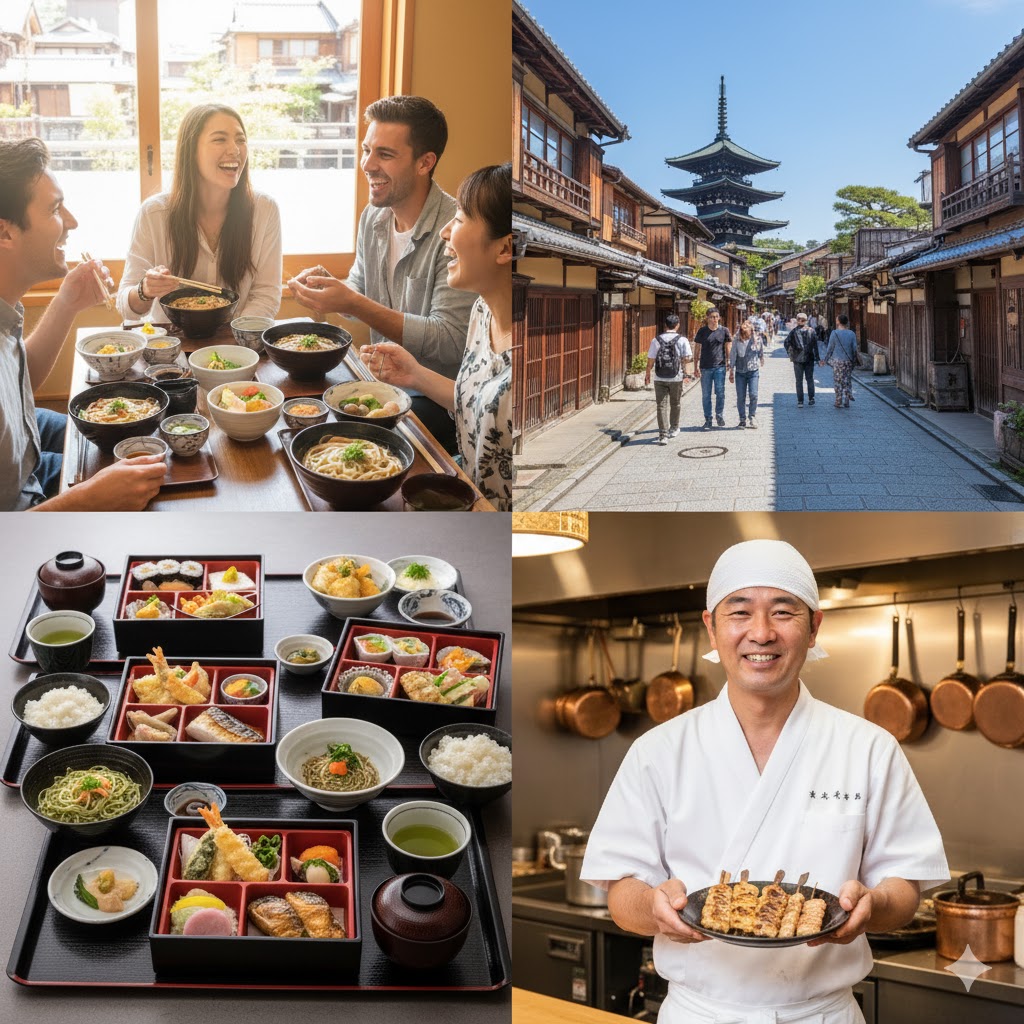
1. Introduction: Why Lunch Planning Matters in Kyoto
Let’s be honest: planning a trip to Kyoto can feel overwhelming. Between temples, shrines, gardens, and shopping districts, there’s so much to see that meals often become an afterthought. You’re wandering the streets at 2 PM, starving, with no clear idea where to eat. Sound familiar?
Here’s what experienced Kyoto travelers know: smart lunch planning transforms your entire trip. When you know where you’re eating and why, you can structure your exploration around excellent dining experiences rather than randomly grabbing whatever’s nearby when hunger strikes. The difference between a magical day and a frustrating one often hinges on strategic decisions about where and when to eat.
This guide is your solution. We’re going to walk you through two of Kyoto’s most magical neighborhoods—Higashiyama and Gion—show you the incredible attractions that make them special, and reveal the perfect lunch and dinner spot that connects both areas: Kyo Udon Ishin in Masuyacho. By understanding these neighborhoods’ geography and connecting them through strategic dining, you’ll have a complete roadmap for an unforgettable Kyoto experience.
By the end of this guide, you’ll have a complete strategy for a day that combines stunning cultural sites with genuinely excellent food, without the stress or random decision-making that derails so many Kyoto trips.
2. Understanding Higashiyama and Gion: Two Districts, Infinite Magic
2-1. Why These Two Districts Matter
If Kyoto is Japan’s cultural heart, then Higashiyama and Gion are that heart’s most atmospheric chambers. These two neighboring districts represent everything people imagine about traditional Kyoto—temple gates, cobblestone streets, wooden machiya buildings, spiritual energy that feels palpable, and atmosphere that transcends mere tourism.
Here’s what makes them special: they’re genuinely walkable and adjacent to each other, forming a natural exploration zone. Unlike some tourist areas that feel disconnected, Higashiyama and Gion form an intuitive loop. You can explore one district, grab lunch at Kyo Udon Ishin (perfectly positioned between both), then explore the other district without feeling like you’re backtracking or wasting time on transportation.
The neighborhoods together attract millions of visitors annually, yet they maintain authentic atmosphere. That’s no accident. It’s the result of strict preservation efforts, conscious tourism management, and genuine respect for tradition among business owners and residents. This balance between accessibility and authenticity makes them genuinely special.
2-2. The Layout: How Everything Connects
Understanding the geography is crucial for smart trip planning. Gion, famous for its geisha district, sits slightly lower geographically and closer to the Kamogawa River, creating a different energy and atmosphere compared to hillside temples. Higashiyama sits slightly higher with most major temples positioned on hillsides, creating opportunities for stunning views and varied elevation changes.
Masuyacho, where Kyo Udon Ishin is located, sits in the connecting zone between both districts. This positioning isn’t random—it’s optimal for travelers transitioning between neighborhoods. After exploring Higashiyama’s temples and shopping in the morning, you naturally drift downhill toward Gion. Kyo Udon Ishin sits right in that natural flow, making it the perfect refueling stop.
Travel times between major attractions typically range from 5 to 20 minutes on foot. This compact layout means you can see an enormous amount without feeling rushed or exhausted, though comfortable shoes remain absolutely non-negotiable.
3. Higashiyama: The Spiritual Heart of Kyoto
3-1. Gateway to Tradition: Kiyomizu-dera Temple
Let’s start with Kyoto’s most iconic sight. Kiyomizu-dera (Clean Water Temple) is the place where most Kyoto first-timers begin their journey, and for good reason. This UNESCO World Heritage Site, founded in 1798, perches dramatically on a hillside with an engineering marvel: a massive wooden terrace that juts out over the valley below without visible support pillars, defying gravity and modern engineering expectations.
The statistics are impressive—the temple attracts nearly three million visitors annually—but numbers don’t capture the actual experience. Standing on that wooden platform, looking out over Kyoto’s urban landscape with traditional rooflines and modern buildings creating an odd-but-somehow-working mix, you genuinely feel connected to centuries of pilgrims who’ve stood in this exact spot seeking blessings and spiritual connection.
The temple features multiple halls, beautiful gardens, and the famous Otowa Waterfall, where tradition says drinking the water grants specific blessings: longevity, good grades, or romantic love. You can only choose one, making the decision genuinely difficult for some visitors. The waterfall’s name literally means “pure water,” reflecting the temple’s spiritual and historical significance. The temple also features numerous smaller shrines, prayer halls, and contemplative spaces throughout its grounds.
Pro tip for timing: Arrive by 7:00 AM to experience the temple when it’s genuinely peaceful, and leave by 10:30 AM to beat the tour group rush. By 11:00 AM, you’ll be ready for lunch at Kyo Udon Ishin.
Photography suggestion: The famous wooden terrace view is best photographed in morning light (6:00-8:00 AM) when shadows are long and light is warm. Midday light creates harsh shadows that diminish the structure’s visual appeal.
Distance from Kyo Udon Ishin: 15-20 minute walk downhill
3-2. The Five-Story Pagoda: A Photographic Masterpiece
While technically part of the wider Kiyomizu temple complex, the Gojo Five-Story Pagoda (Gojo no To) deserves separate attention. This structure, built in the Edo period, exemplifies classic Japanese architecture. The ascending layers, the curved roofs with their slightly upturned edges, the wooden construction—every element follows principles refined over centuries.
What makes it special isn’t just the architecture but how it appears at different times of day. Morning light creates soft shadows that emphasize the structure’s complexity. Evening light turns it almost amber-gold, creating completely different photographic opportunities. Even night illumination during special seasons reveals architectural details invisible in daylight. The interplay between structure and natural light creates infinite visual possibilities.
Photographers spend hours here, and honestly, you could too without ever tiring of new perspectives. It’s genuinely one of Japan’s most photogenic structures, which explains why it appears in countless travel blogs and Instagram feeds worldwide.
Best photography times: Early morning (6:00-7:30 AM) or late afternoon (4:30-6:00 PM). Midday creates harsh shadows diminishing visual impact.
Architectural detail: The pagoda’s five stories don’t align with Buddhist symbolism randomly. Each story represents different elements: earth, water, fire, wind, and sky. This reflects Buddhist cosmology and spiritual symbolism.
3-3. Nene-no-Michi: The Path That Captured Your Soul
Nene-no-Michi translates to “Nene’s Path,” named after the wife of legendary warlord Toyotomi Hideyoshi. This canal-side path stretches roughly 2 kilometers and represents many travelers’ favorite single Kyoto memory. It’s consistently ranked as one of Japan’s most beautiful walking routes.
The magic is in the details. A narrow canal runs alongside the path, lined with ancient cherry and maple trees that provide shade in summer and spectacular color in fall. Traditional wooden buildings, many over two centuries old, house small galleries, restaurants, and shops. The sound of water blends with occasional temple bells and bird calls. You genuinely feel you’ve stepped out of modern Kyoto into a different era.
Unlike heavily commercialized tourist streets, Nene-no-Michi maintains authentic charm through careful management. Yes, tourists are everywhere, but there are no convenience stores, no garish signs, strict architectural guidelines that maintain aesthetic harmony. The result is surrounding beauty that transcends mere tourism.
Evening magic: Nene-no-Michi transforms dramatically after 6:00 PM when day-trippers leave and lanterns glow softly. If you eat dinner at Kyo Udon Ishin around 5:30 PM, you can finish and stroll Nene-no-Michi in perfect evening light, experiencing the path as locals do.
Seasonal variations: Cherry trees bloom late March-early April. Maples turn brilliant red in November. Each season creates completely different experiences and photographic opportunities.
Distance from Kyo Udon Ishin: 10 minute walk downhill
3-4. The Three Famous Stairs: Ninenzaka, Sannenzaka, and Ichinen-zaka
These three interconnected cobblestone shopping streets form the heart of Higashiyama’s tourist experience. Each has distinct character, and together they create a perfect loop for souvenir shopping and casual exploration. Understanding these streets and how to navigate them strategically dramatically improves your Kyoto experience.
Ninenzaka (Second Year Slope) connects Kiyomizu Temple to the broader Higashiyama district. The name references a pilgrimage legend: if you complete three consecutive years of visiting these streets in order (first year Ichinen-zaka, second year Ninenzaka, third year Sannenzaka), your wish supposedly comes true. This naming system has guided pilgrims for centuries and continues today.
Today, Ninenzaka brims with souvenir shops, traditional sweet restaurants, and casual eateries. You’ll find matcha ice cream (absolutely worth trying—the quality is exceptional compared to matcha elsewhere), traditional Kyoto crafts, pottery, and countless small shops that deserve exploration. The crowds here peak between 11:00 AM and 4:00 PM, so timing your visit strategically makes an enormous difference in your experience.
Sannenzaka (Third Year Slope) runs slightly quieter and more upscale than Ninenzaka. You’ll find better-quality craft shops, art galleries, and more refined restaurants. If you’re seeking quality over quantity, this street offers a more sophisticated shopping experience with less commercial pressure. The architecture is also marginally more traditional and less overtly commercialized.
Ichinen-zaka (First Year Slope) is the steepest and most Instagram-famous of the three. If you’ve seen Kyoto photos featuring people in brilliantly colored kimonos, yukata, or traditional dress with temple gates in the background, they were almost certainly taken here. The street is absolutely packed with photographers during peak hours (11:00 AM – 4:00 PM), but visiting early morning (7:00-8:00 AM) or evening (after 5:00 PM) dramatically improves your experience and photographic success.
Smart shopping strategy: Explore these streets early in your Higashiyama visit (7:00-9:00 AM), before crowds arrive. Take your midday lunch break at Kyo Udon Ishin around 11:00 AM. Then return to the streets around 4:00-5:00 PM when day-trippers are leaving but shops remain open. You’ll get multiple visits with dramatically different crowd levels, ultimately seeing far more and enjoying the experience more.
Quality over quantity: Rather than quickly browsing everything, spend real time in shops that interest you. Many small galleries feature local artists’ work. Tea shops offer free samples. Small pottery shops welcome genuine conversation about their products.
Distance from Kyo Udon Ishin: 2-5 minute walk uphill
3-5. Kodai-ji Temple: The Underrated Gem
While Kiyomizu-dera captures crowds and attention, Kodai-ji Temple rewards visitors with genuine peace and exceptional beauty. Founded in 1606 by Nene (yes, the same woman who inspired Nene-no-Michi), this temple features stunning moss gardens, tranquil ponds, and a graceful two-story pagoda reflected perfectly in water.
The temple’s most powerful space is its moon-viewing pavilion. Sitting here, overlooking the garden and pond, you understand why Japanese aesthetics emphasize simplicity and natural beauty over ornamentation. A single perfectly designed space, strategically positioned to frame natural scenery—it’s genius. The philosophy of “less is more” becomes tangible and visceral rather than merely intellectual.
Unlike major temples with constant crowds and audio guides in fifteen languages, Kodai-ji feels peaceful and genuinely contemplative. You can actually hear the trees, the water, your own breathing. This quality of experience is increasingly rare in popular travel destinations globally.
Visitor tip: Visit between 2:00-4:00 PM when most tourists are on shopping streets or eating lunch. You’ll often find yourself with fewer than five other people in entire garden areas, creating genuine solitude.
Garden design philosophy: The moss garden reflects centuries-old Buddhist garden design principles. Rocks represent islands, gravel represents water, moss represents forests and age. The arrangement isn’t accidental—each element serves spiritual and aesthetic purposes.
Distance from Kyo Udon Ishin: 12 minute walk uphill
3-6. Hidden Temples and Secondary Sites Worth Discovering
Beyond the major sites, Higashiyama and Gion harbor numerous smaller temples, shrines, and cultural spaces that reward adventurous exploration. Kiyomizu-dera’s associated temples and smaller shrines throughout both neighborhoods often provide more authentic experiences than major sites.
Anzen-in: Part of the wider Kiyomizu complex, this separate location offers serene atmosphere without crowds. Buddhist philosophy emphasizes spiritual significance isn’t tied to building size—Anzen-in demonstrates this perfectly.
Minor Shrines: Scattered throughout neighborhoods, these small shrines often feature beautiful carvings and peaceful surroundings. Many have been serving local communities for centuries with minimal tourist attention.
Buddhist Art Museums: Several small museums throughout the district display Buddhist art and historical artifacts. These provide deeper cultural understanding than casual temple visits alone.
4. Gion: Where Kyoto Becomes Cinematic
4-1. The Bridge: Understanding the Geography Between Districts
The Natural Walking Flow
If you’re smart about pacing, you’ll experience both Higashiyama and Gion in a single day without feeling rushed or exhausted. The key is understanding the natural topography and walking flow that connects them.
Most visitors begin at Kiyomizu-dera (typically reached by bus from central Kyoto or the train station). They explore the temple, walk the shopping streets, grab lunch somewhere, then either end their day or continue exploring. Most don’t realize that Gion sits just a 15-20 minute walk downhill from where they’ve been exploring.
This is where Kyo Udon Ishin’s location becomes crucial. Positioned in the connecting zone, the restaurant is the natural refueling stop before transitioning from Higashiyama’s temple-focused exploration to Gion’s atmospheric district exploration. It’s not incidental—it’s an ideal location for structuring a full day of exploration.
Energy Management and Strategic Pacing
Walking through Kyoto all day requires strategic energy management. Most first-time visitors underestimate how much walking they’ll do and tire by midday. Eating properly at optimal times prevents afternoon energy crashes that cause you to miss the best evening atmosphere.
By eating lunch at Kyo Udon Ishin around 11:00 AM-11:45 AM, you fuel your body before afternoon exploration rather than after exhaustion sets in. This timing enables you to truly enjoy afternoon temple visits and evening Gion atmosphere that many exhausted travelers miss entirely.
4-2. Gion: Where Kyoto Becomes Cinematic
Gion is Kyoto’s most famous geisha district and arguably the most recognizable Japanese neighborhood internationally. When you mention Kyoto to most people, they picture Gion’s narrow lanes with ochered-and-black wooden buildings, lanterns glowing at dusk, and geisha moving gracefully through evening streets. The reality is both more and less impressive than the romanticized version.
Yes, geisha do work in Gion. You might see one hurrying to an evening appointment, though photographing them without permission is considered deeply disrespectful and is actually illegal. Yes, the architecture is authentic and genuinely beautiful. Yes, the atmosphere distinctly differs from other Kyoto neighborhoods. The blend of tradition and commerce, careful preservation and modern convenience, creates something genuinely unique.
But Gion is also increasingly modernized beneath those traditional wooden facades. You’ll find contemporary restaurants, boutique hotels, high-end establishments, and shops catering to international tourists. Traditional Japan filtered through modern commercialism—which isn’t bad, it’s just reality. The best approach is visiting Gion with realistic expectations: you’re exploring a living neighborhood that balances tradition and modernity rather than stepping into a museum frozen in time.
4-3. Building Your Gion Experience
Gion works best when you approach it as an atmosphere to absorb rather than specific sites to rigidly check off. Unlike Higashiyama with its clear temple hierarchy and famous sites, Gion rewards wandering and discovery. Walking narrow lanes, discovering hidden shrines, stumbling upon traditional restaurants in unmarked wooden buildings, catching glimpses of daily life—this is how Gion reveals itself to thoughtful travelers.
4-4. Yasaka Shrine: Gion’s Spiritual Center
At the northern edge of Gion and easily walkable from Kyo Udon Ishin, Yasaka Shrine (also called Gion Shrine) sits in Maruyama Park. This shrine is dedicated to deities of good health and prosperity, making it one of Kyoto’s most visited spiritual sites with genuine worshippers who come regularly for authentic spiritual purposes, not just tourism.
The shrine is particularly famous as the origin point for Gion Matsuri, one of Japan’s most important festivals held each July. During festival season, the entire Gion neighborhood transforms with preparation activities and celebratory atmosphere. Even regular days, the shrine radiates spiritual energy. Its famous red torii gate is iconic and appears in countless photographs, though seeing it in person with morning light filtering through trees creates completely different impact than photographs suggest.
The shrine experience differs significantly based on timing. Arriving early morning (6:00-7:00 AM) means encountering locals genuinely praying, monks performing rituals, and authentic spiritual atmosphere. Arriving at midday means crowds and camera-wielding tourists. Each creates different but valid experiences.
Practical details: The shrine is completely free to enter, always open to visitors, and welcomes people at any hour. There’s a small donation box for those wishing to contribute, but donations are entirely optional and never expected.
Spiritual significance: Yasaka Shrine has stood at this location for over 1,100 years, making it one of Kyoto’s oldest and most spiritually significant sites.
Distance from Kyo Udon Ishin: 8 minute walk downhill
4-5. Maruyama Park: Kyoto’s Peaceful Lung
Connected to Yasaka Shrine, Maruyama Park is Kyoto’s oldest park (established 1886) and offers the neighborhood’s best escape from crowds and commercial atmosphere. The park features winding walking trails through old-growth forest, a massive weeping cherry tree (spectacularly beautiful during late March-early April cherry blossom season), and abundant shade under hundred-year-old trees.
This is where locals come to rest, reflect, and genuinely reconnect with nature. During cherry blossom season, the entire park transforms into a festival ground with illuminated trees and food stalls, but outside peak season, it remains genuinely peaceful and contemplative. Even during peak season, early morning hours (before 8:00 AM) offer relative tranquility and authentic park atmosphere.
The park serves as the perfect recovery space during a full day of walking and sightseeing. Unlike tourist-focused restaurants or temples, there’s no entrance fee and no obligation to purchase anything. You can simply sit, breathe, watch light filter through leaves, and observe Japanese families enjoying weekend time outdoors.
Best for: Midday rest breaks if you need to escape crowds and urban energy
Photography note: The weeping cherry tree during spring blooms is genuinely one of Japan’s most beautiful natural sights. If visiting during cherry blossom season, plan to spend at least 30 minutes here for full appreciation.
Local perspective: This park is where Kyoto residents come, not tourists. Visiting during off-peak hours gives you genuine insight into local Kyoto life.
Distance from Kyo Udon Ishin: 8 minute walk downhill
4-6. Hanami-koji Street: Gion’s Most Atmospheric Lane
Hanami-koji Street runs through Gion’s heart and represents the neighborhood’s essence better than any other single location. This narrow pedestrian-only street, lined with traditional wooden machiya buildings (some 200+ years old), genuinely feels like stepping into a different era entirely. The street is closed to vehicle traffic, preserving atmosphere and preventing car noise that would shatter the illusion.
Many restaurants, tea houses, and shops line Hanami-koji, ranging from high-end establishments requiring reservations to casual stalls welcoming walk-in visitors. The street maintains notably more authentic atmosphere compared to heavily commercialized areas—there are no convenience stores, no garish signs, no modern chain restaurants breaking aesthetic harmony. Local business owners have worked together collectively to maintain character and quality standards.
Walking Hanami-koji in different times of day reveals completely different experiences. Daytime feels bustling and commercial. Evening (after 6:00 PM) becomes genuinely atmospheric with lanterns glowing softly and tourists thinning out. Night (after 8:00 PM) reaches its most magical, when day-trippers have left and the street feels almost like a private experience.
Photography note: While beautiful, Hanami-koji attracts substantial photographer crowds, especially during peak seasons. Early morning (7:00-8:00 AM) or late evening (after 7:00 PM) offers better photo opportunities and more peaceful browsing experiences.
Restaurant Reality: High-end establishments on Hanami-koji often require advance reservations and cater to customers seeking formal dining experiences. Casual spots offer walk-in friendly experiences. Many travelers find the street more rewarding for walking and photography than for dining unless you’ve booked ahead.
Historical significance: Many buildings along Hanami-koji date to the Edo period, making this street historically significant and genuinely representing old Kyoto architecture.
Distance from Kyo Udon Ishin: 15 minute walk downhill
5. Dining Options in Both Districts: Why Strategic Meal Planning Matters
5-1. Comparing Your Lunch Options
Higashiyama and Gion offer diverse dining opportunities. From casual noodle shops to high-end kaiseki establishments, the range is genuinely impressive. Understanding your options helps you make strategic choices aligned with your budget, schedule, and preferences.
Casual Noodle Shops: Scattered throughout both neighborhoods, these offer affordable meals (¥800-1,500 / $5-10 USD) and quick service. Quality varies significantly based on ingredient sourcing and preparation time.
Traditional Kyoto Restaurants: These establishments focus on seasonal Kyoto cuisine using local ingredients. Expect prices of ¥3,000-8,000 ($20-53 USD) per person. These often require advance reservations.
Casual Cafes and Tea Houses: Perfect for breaks between sightseeing. Offer lighter meals, pastries, and traditional tea experiences. Prices range ¥1,000-2,500 ($7-17 USD).
High-End Kaiseki: Multi-course traditional dining experiences costing ¥8,000-20,000+ ($53-133+ USD) per person. These require substantial advance planning and reservations.
5-2. Why Kyo Udon Ishin Occupies Perfect Middle Ground
Kyo Udon Ishin represents intelligent middle ground between casual and formal dining. It’s more sophisticated than fast food but far more accessible than kaiseki restaurants. You’re getting genuine culinary care and ingredient quality at tourist-friendly pricing—this combination is rare in high-traffic tourist areas globally.
The restaurant doesn’t try to be everything. It focuses obsessively on one thing: exceptional udon. This specialization means every element—water sourcing, broth development, noodle texture—receives thoughtful attention impossible in establishments trying to offer diverse menus.
5-3. Strategic Dining Psychology
Most visitors approach meals reactively: they get hungry, see a restaurant, eat. This creates poor experiences—either overpriced tourist traps, subpar quality, or both. Strategic diners approach meals proactively, planning where and when to eat based on location, energy levels, and experience goals.
Eating at Kyo Udon Ishin at 11:00 AM prevents afternoon energy crashes. Eating proper meals rather than grabbing snacks maintains physical and mental energy for evening atmosphere exploration. These seemingly small decisions compound throughout your day.
5-4. Building Your Custom Food Itinerary
Use this guide’s structure but customize based on your preferences:
Food-focused travelers: Plan multiple meals at different restaurants, allowing more dining-destination exploration
Budget-conscious travelers: Use Kyo Udon Ishin and similar casual establishments for main meals, save splurge-dining for special occasions
Time-limited travelers: Strategic meal timing (11:00 AM lunch, 5:30 PM dinner) maximizes sightseeing time between meals
Cultural explorers: Combine dining with temple visits, geisha district exploration, and market visits for holistic Kyoto experience
6. Additional Exploration: Temples You Might Discover
6-1. Kinkaku-ji (Golden Pavilion) Alternative Route
While technically outside Higashiyama-Gion, the route between districts offers opportunities to discover secondary temples and lesser-known sites. Many travelers find these hidden discoveries more meaningful than famous sites.
6-2. The Art of Wandering
Some of the best Kyoto experiences happen through purposeless wandering. Walking three blocks off main streets often reveals small shrines, artisan shops, and genuine neighborhood life invisible from tourist maps.
7. Kyo Udon Ishin: Your Strategic Lunch and Dinner Solution
7-1. Why This Location Changes Everything
Kyo Udon Ishin’s location at Masuyacho in the connecting zone between Higashiyama and Gion isn’t random luck or incidental convenience. It’s positioned exactly where tourists naturally migrate throughout their day. After exploring Higashiyama’s temples and shopping, before venturing into Gion’s atmospheric lanes, you’ll find yourself in Masuyacho, hungry and ready for genuine refueling.
This is precisely where Kyo Udon Ishin excels. Rather than random restaurant selection based on proximity, you’re eating at a carefully sourced, philosophically coherent restaurant that respects both Kyoto’s culinary traditions and contemporary excellence standards.
7-2. What Makes Kyo Udon Ishin Different from Chain Udon
Obsessive Ingredient Sourcing: The restaurant sources water from Kyoto’s natural springs specifically chosen for mineral composition, flour from individual local farmers, and seasonal vegetables at absolute peak ripeness. This isn’t marketing language—it’s operational reality affecting what you literally taste in each bowl.
24-Hour Broth Development: Udon broth might sound simple, but Kyo Udon Ishin’s process involves overnight kombu (kelp) steeping in cold water, carefully timed bonito flake additions, shiitake mushroom extraction, and gradual heating cycles that develop profound complexity impossible in quick-preparation broths. The result tastes completely different from standard udon broth found elsewhere.
Seasonal Philosophy: The menu changes substantially with seasons, reflecting what’s actually growing around Kyoto right now. Spring brings delicate, fresh offerings. Summer emphasizes cooling, refreshing options. Fall showcases earthy mushrooms and root vegetables. Winter features warming, nourishing bowls. This approach respects seasonal rhythms and ingredient quality.
Accessibility Despite Sophistication: Despite philosophical complexity and ingredient obsession, the restaurant remains genuinely welcoming to international visitors and first-time udon eaters. Staff understand that many customers are experiencing authentic udon for the first time and take genuine pride in creating positive experiences.
7-3. The Menu: What You’ll Actually Encounter
Classic Kake Udon: The foundation dish—fresh udon noodles in premium broth with minimal accompaniment. Order this if you want to experience pure noodle quality and broth complexity without distraction or elaborate toppings obscuring core flavors.
Cold Udon (Summer Specialty): During warm months, this chilled noodle dish with concentrated dipping sauce becomes the hero item. The cold preparation highlights noodle texture and allows broth flavors to shine without warmth potentially masking subtleties.
Seasonal Specialty Bowls: These limited-time offerings change throughout the year. Spring might feature bamboo shoots or fresh greens. Fall highlights mushroom varieties and root vegetables. Winter brings root vegetables in rich broths. These specials represent genuine reasons to revisit the restaurant multiple times throughout a year.
Premium Topping Options: Elevate any bowl with carefully sourced toppings like tempura vegetables, soft-boiled eggs, or premium seaweed. Each topping is prepared thoughtfully, not treated as afterthoughts added carelessly.
Vegetable-Forward Options: Reflecting Kyoto’s Buddhist cuisine heritage, the restaurant excels at vegetable preparations. Seasonal vegetables are prepared to maximize their individual character while contributing to overall bowl harmony and nutrition.
7-4. Practical Information for Your Visit
Pricing: Most udon bowls cost between ¥900-¥1,500 (approximately $6-$10 USD), making this exceptional value for quality food in a high-tourist area where meals often cost $15-30 USD.
Timing Strategy:
Breakfast/Brunch (8:00 AM – 11:00 AM): Start your day with lighter udon, then explore Kiyomizu-dera and morning temples energized and nourished
Lunch (11:30 AM – 1:00 PM): Midday refueling after morning exploration, before afternoon activities. Peak crowding occurs 12:00-12:30 PM, so arriving slightly early avoids lines
Dinner (5:00 PM – 7:30 PM): After a full day of walking, before evening Gion exploration. Evening timing is less crowded than lunch
Ordering: The restaurant likely uses a simple ordering system (vending machine or counter service). Pointing to menu pictures works perfectly fine. Staff are accustomed to international visitors and genuinely patient with language barriers.
Dining Style: Sit at counter or simple tables, eat at your own pace, no rush. Slurping is encouraged and expected. When finished, place chopsticks on the rest and push your bowl forward slightly to indicate completion.
Payment: Cash or card accepted, pay at exit. Tipping is not customary or expected in Japan—the listed price is what you pay.
8. Planning Your Perfect Day: A Complete Sample Itinerary
8-1. Early Morning: The First Magic Hour (6:00 AM – 8:00 AM)
Begin before crowds arrive. Travel to Kiyomizu-dera (aim to arrive by 6:30 AM when the temple opens). Spend 45 minutes exploring the main temple, the pagoda, and outlying structures while enjoying genuinely peaceful atmosphere. Take photographs without crowds in backgrounds, which dramatically improves photo quality. By 7:45 AM, start walking down through Ichinen-zaka, enjoying the street before tourists arrive.
8-2. Shopping Streets Exploration (8:00 AM – 10:30 AM)
Walk down Ichinen-zaka while it’s still relatively quiet. Pop into shops that genuinely interest you rather than visiting everything superficially. This is ideal timing—beautiful light, minimal crowds, shops are open but haven’t reached peak chaos. Spend about 30 minutes, then head to Ninenzaka and Sannenzaka for another hour of genuine exploration. Avoid spending too long here—save peak shopping intensity for evening when you’ll return with fresher perspective.
8-3. First Meal Break (11:00 AM – 11:45 AM)
Head to Kyo Udon Ishin in Masuyacho. You’ve been walking for 5 hours, and your body will genuinely thank you for proper nutrition. Take time to enjoy your meal without rushing, savoring flavors and appreciating the care evident in preparation. The early timing means shorter lines than 12:00 PM or later.
8-4. Kodai-ji and Surrounding Area Exploration (12:00 PM – 2:00 PM)
After lunch, hike 10-12 minutes to Kodai-ji Temple (uphill, but not terribly strenuous). Explore the peaceful gardens, moss details, and pond reflections. The afternoon light differs from morning, creating different atmospheric effects and photographic opportunities. Spend 45 minutes here genuinely enjoying tranquility rather than rushing.
8-5. Rest and Midday Adjustment (2:00 PM – 3:00 PM)
Either return to Maruyama Park for rest and shade, or grab tea at a quiet cafe. You’ve been walking and exploring for 9 hours—your body needs recovery time. This isn’t laziness; it’s strategic energy management ensuring you can genuinely enjoy evening atmosphere that many exhausted travelers miss entirely.
8-6. Second Shopping Exploration (3:30 PM – 5:00 PM)
Return to the three stairs shopping streets. By now, day-trippers are leaving, but shops remain open. You’ll encounter completely different energy than morning—fewer crowds, better browsing experience, more authentic interaction with shop owners. Browse galleries and shops you missed in the morning with fresher perspective. The late afternoon light is particularly beautiful on traditional wooden buildings.
8-7. Second Meal Break (5:00 PM – 6:00 PM)
Return to Kyo Udon Ishin for dinner, or choose an alternative restaurant. If you revisit Kyo Udon Ishin, you’ll likely notice different energy than lunch—evening crowds are lighter than midday rush, creating more relaxed dining atmosphere.
8-8. Evening Gion Exploration (6:00 PM – 8:00 PM)
Walk downhill into Gion (about 15 minutes from Masuyacho). Explore Hanami-koji Street in evening light when lanterns glow softly and atmosphere feels distinctly different from daytime energy. Visit Yasaka Shrine, which is absolutely beautiful at night. Experience Maruyama Park in twilight when the massive weeping cherry tree silhouettes against darkening sky.
8-9. Wrap-Up: Evening Reflection (8:00 PM onward)
Head to dinner (you could eat here in Gion rather than earlier), explore evening Gion cafes, or find a quiet spot to reflect on your day. By 8:00 PM, you’ll have experienced tremendous diversity—temples, shopping, nature, atmosphere—all connected through strategic meal planning.
9. Practical Guide: Making This Day Actually Happen
9-1. Getting to Higashiyama
By Bus: Most convenient option. From Kyoto Station, take bus 100 or 106 toward Gojo-zaka or Kiyomizu-dera. Journey takes about 20 minutes. Buses are clean, frequent, and have English signage.
By Train: Keihan Line to Kiyomizu-Gojo Station, then 15-minute walk. Slightly longer but often more reliable than buses during peak season congestion.
By Foot: From central Kyoto, it’s a pleasant 30-45 minute walk. Many travelers enjoy the gradual introduction to different neighborhoods this provides.
9-2. What to Bring
Comfortable, broken-in walking shoes (non-negotiable—you’ll walk 15+ miles)
Lightweight backpack or cross-body bag for souvenirs and water
Sun protection: hat, sunscreen, sunglasses
Water bottle: refillable at convenient stores throughout Kyoto
Portable phone charger: navigating and photography drain batteries quickly
Small umbrella: even light rain can occur suddenly in Kyoto
9-3. Best Season to Visit
Spring (Late March-Early April): Cherry blossoms and perfect weather, but expect maximum crowds and premium prices. Book accommodations months in advance.
Summer (June-August): Hot and humid, but fewer tourists than spring. Ideal if you prefer exploring without crowds. Cold udon becomes incredibly popular and refreshing.
Fall (September-November): Autumn foliage and pleasant weather make this nearly as popular as spring. October-November brings spectacular colors. Crowds are substantial but slightly less intense than spring.
Winter (December-February): Cold but clear, fewer crowds, peaceful atmosphere. Temple structures reveal themselves more clearly without foliage obscuring details. Many travelers find winter Kyoto most beautiful and authentically preserving traditional aesthetic.
9-4. Budget Expectations
Temple entrance fees: ¥400-800 per temple ($3-6 USD). Combined tickets for multiple temples (¥2,000/$13 USD) offer savings if visiting multiple sites
Meals: ¥900-1,500 for udon ($6-10 USD); ¥1,500-3,000 for other restaurants ($10-20 USD)
Shopping: Budget varies dramatically. Plan ¥1,000-5,000 ($7-33 USD) for casual shopping unless seeking high-end crafts
Total daily budget: ¥4,000-8,000 ($27-53 USD) for budget-conscious travelers; ¥8,000-15,000 ($53-100 USD) for moderate spending
9-5. Language Tips
English proficiency varies throughout Kyoto. Major temples have English signage. Most shops in tourist areas have at least one English-speaking staff member. Learning these phrases helps tremendously:
“Sumimasen” (excuse me) – get attention
“Arigatou gozaimasu” (thank you very much) – end of meal
“Oishii desu” (this is delicious) – compliment chef
“Eigo ga hanasemasu ka?” (do you speak English?) – at restaurants
Japanese people genuinely appreciate attempts to speak their language, even if imperfect or accented.
10. Reader-Focused Benefits: Why This Planning Actually Matters
10-1. Benefit 1: Maximum Experience, Minimum Exhaustion
By understanding geographic flow and timing restaurant breaks strategically, you’ll see tremendous variety without the burnout that derails many Kyoto trips. Proper meal timing prevents the 4:00 PM energy crash that makes you miss the best evening atmosphere.
10-2. Benefit 2: Better Photographs
Avoiding peak crowds (10:00 AM – 4:00 PM) means you’ll get photographs without crowds in backgrounds. This alone dramatically improves travel photo quality compared to visiting major sites during peak times.
10-3. Benefit 3: Genuine Interactions
When you’re not in constant crowds, locals are more likely to engage authentically. You might have actual conversations with shopkeepers, temple staff, or other travelers. These interactions often become the most memorable parts of trips.
10-4. Benefit 4: Authentic Experiences
Popular sites at off-peak hours reveal their true character. Kodai-ji’s gardens feel genuinely meditative at 2:00 PM. Nene-no-Michi’s evening lantern lighting creates atmosphere that daytime crowds can’t diminish.
10-5. Benefit 5: Money Saved
Eating udon at Kyo Udon Ishin instead of tourist-trap restaurants saves significant money. Multiple temple visits cost less than expected. Strategic shopping (evening when you’re more discerning) often results in better purchases than impulse buys during crowd chaos.
10-6. Benefit 6: Social Media Success
Your photographs will actually look like travel blogs rather than crowd snapshots. The stories you’ll tell will be about genuine experiences rather than “we waited 45 minutes to see this famous temple with 500 other people.”
11. Seasonal Considerations: Planning by Season
11-1. Spring Cherry Blossom Season (Late March-Early April)
Spring represents Kyoto’s peak tourism season. Cherry blossoms transform the city into a pink wonderland, temples become incredibly beautiful with blooms framing historic structures, and every temple, park, and street overflows with tourists and pilgrims. Nene-no-Michi’s canopy of cherry blossoms, Maruyama Park’s weeping cherry illuminations, and Kiyomizu-dera’s platform views all become infinitely more spectacular.
However, this season demands advance planning. Hotels book months ahead, temples become genuinely overwhelming with crowds, and dining becomes challenging. If visiting during spring, arrive extra early at all sites, expect to wait at popular restaurants, and consider midday rest breaks to avoid peak-hour crowds.
11-2. Summer Heat (June-August)
Summer brings dramatically fewer tourists but intense heat and humidity. Temperatures often exceed 90°F (32°C), with humidity making it feel considerably hotter. However, this season offers authentic Kyoto—fewer tourists means you experience the actual city rather than tourism infrastructure.
Cold udon becomes incredibly appealing during summer heat. Kyo Udon Ishin’s summer offerings specifically address the season’s needs. Early morning and evening exploration becomes more realistic as midday heat forces retreat. Many temples and restaurants have cooling systems, creating welcome refuge.
11-3. Fall Colors (September-November)
Fall offers perhaps the best balance: cooler weather, spectacular foliage, and substantial but manageable tourism. October and November bring maple leaves in brilliant reds and oranges. The same routes you’d explore spring become equally beautiful in different colors and light.
Autumn udon specialties highlight seasonal ingredients—mushrooms, root vegetables, and aromatic broths becoming centerpieces. Yasaka Shrine and Maruyama Park display particularly beautiful colors. Consider visiting main sites early in the day before crowds arrive.
11-4. Winter Peace (December-February)
Winter represents the least crowded season but brings cold temperatures and occasional snow. Bare branches reveal temple architecture invisible during foliage seasons. Fewer tourists mean genuinely peaceful experiences. Morning frost creates magical photography opportunities, and the spiritual essence of temples becomes more apparent without tourist crowds diminishing atmosphere.
Warm udon becomes profoundly comforting during winter. Winter broths featuring hearty vegetables provide nourishment and warmth. The cold, clear air makes long walking days energizing rather than exhausting.
12. Different Visitor Types: Customizing Your Experience
12-1. The Cultural Deep-Diver
If you’re genuinely interested in Buddhist philosophy, temple architecture, and spiritual practice, this guide provides foundation for deeper exploration. Consider hiring temple guides, attending meditation sessions, and reading about each site’s specific spiritual significance before visiting.
Customization: Spend longer at fewer temples, allowing contemplation rather than checking off site lists.
12-2. The Photography Enthusiast
If you’re visiting primarily for photography, understanding light angles, seasonal changes, and crowd patterns becomes paramount. Early morning and late afternoon light creates dramatically different results than midday.
Customization: Plan routes based on light direction and timing. Revisit favorite sites at different times for varied photographic opportunities.
12-3. The Budget Traveler
Strategic meal planning at Kyo Udon Ishin directly addresses budget concerns. Combined temple entry fees with pass systems, careful shopping, and avoiding tourist traps keeps costs manageable.
Customization: Use budget-conscious timing recommendations, utilize combined temple passes, eat primarily at Kyo Udon Ishin or similar casual establishments.
12-4. The Time-Limited Visitor
If you only have one day in Higashiyama and Gion, this guide’s complete itinerary provides maximum experience within constraints.
Customization: Follow the suggested itinerary closely, prioritize must-see sites, plan meals at optimal times to maximize between-meal exploration.
12-5. The Social Traveler
If you’re interested in people-watching, local interactions, and authentic cultural engagement, Gion’s evening atmosphere and Maruyama Park offer opportunities for genuine human connection.
Customization: Spend time in parks and local cafes, engage in conversations, explore when locals are present rather than peak tourist hours.
12-6. The Culinary Explorer
If food is your primary interest, this guide’s emphasis on strategic dining provides framework for deeper food exploration.
Customization: Expand dining beyond Kyo Udon Ishin to explore other restaurants in both neighborhoods, seek out specialty food shops, consider food-focused tours.
13. Pro Tips from Experienced Travelers
13-1. Booking and Reservation Wisdom
Most casual restaurants don’t require reservations. However, if you want specific dining experiences at popular establishments, reservations should be made days or weeks in advance through hotels or booking services.
13-2. Photography Etiquette
While temples welcome photography in general, some sacred spaces prohibit it. Always look for signs indicating restrictions. Be respectful of worshippers and other visitors during photography.
13-3. Respecting Local Culture
Remember you’re visiting active neighborhoods where people live and work. Be respectful of residents, maintain quiet in temples, and avoid photography of private spaces or individuals without permission.
13-4. Physical Preparation
Kyoto involves substantial walking over uneven surfaces. Proper footwear and fitness preparation matter. The itineraries suggested involve 15+ miles of walking. Physical conditioning helps you enjoy experiences rather than simply surviving them.
13-5. Weather Adaptability
Kyoto weather can change suddenly. Bringing umbrella, sun protection, and layers appropriate for temperature changes ensures comfort regardless of weather variations.
14. Final Thoughts: Why Strategic Planning Elevates Travel
Travel is what you make of it. Two people visiting the same location can have completely different experiences based on planning, timing, and awareness. The difference between a Kyoto trip that feels magical and one that feels rushed and exhausting often comes down to simple decisions: where you eat, when you arrive at popular sites, and understanding how different neighborhoods actually connect.
This guide provides the strategy. Kyo Udon Ishin provides the fuel. The neighborhoods provide the magic. Combined, these elements create the Kyoto experience you’ve been imagining.
So plan ahead, wear comfortable shoes, be flexible when opportunities arise, and be genuinely present in each moment. The magic is real, and it’s waiting for you.
15. Quick Reference: Distance Map from Kyo Udon Ishin (Masuyacho)
| Location | Walking Time | Distance |
|---|---|---|
| Kiyomizu-dera Temple | 15–20 min | 0.9 km |
| Gojo Five-Story Pagoda | 15–20 min | 0.9 km |
| Ichinen-zaka Street | 2–5 min | 0.2 km |
| Ninenzaka Street | 2–5 min | 0.2 km |
| Sannenzaka Street | 3–8 min | 0.3 km |
| Nene-no-Michi | 10 min | 0.6 km |
| Kodai-ji Temple | 12 min | 0.7 km |
| Yasaka Shrine | 8 min | 0.5 km |
| Maruyama Park | 8 min | 0.5 km |
| Hanami-koji Street (Gion) | 15 min | 0.9 km |
16. Your Next Steps
Now that you understand Higashiyama and Gion’s geography, attractions, and how strategic dining connects everything, you’re ready to plan your Kyoto adventure. Use this guide as your base, then adjust the timing, pace, and priorities to match your own travel style.
Start by picking your must-see spots: maybe it’s Kiyomizu-dera at sunrise, Nene-no-Michi at golden hour, and Gion after dark. Then decide when you’ll stop at Kyo Udon Ishin in Masuyacho—whether as an early lunch to fuel your temple-hopping or as a late afternoon reset before diving into Gion’s cinematic streets.
As you walk, you’ll notice the difference that planning makes. Instead of wandering hungry at 2 PM and settling for the first crowded restaurant you see, you’ll move through the day with intention. You’ll arrive at temples before the worst crowds, hit shopping streets when they’re actually enjoyable, and sit down to meals that feel like part of the experience—not a desperate afterthought.
Visit Kyo Udon Ishin in Masuyacho. Fuel your body properly. Explore Kyoto like someone who actually knows what they’re doing.
The difference will be obvious from the first day you put this plan into action—and your memories of Kyoto will feel less like a blur of rushing between sights and more like a carefully crafted story you got to live from beginning to end.