
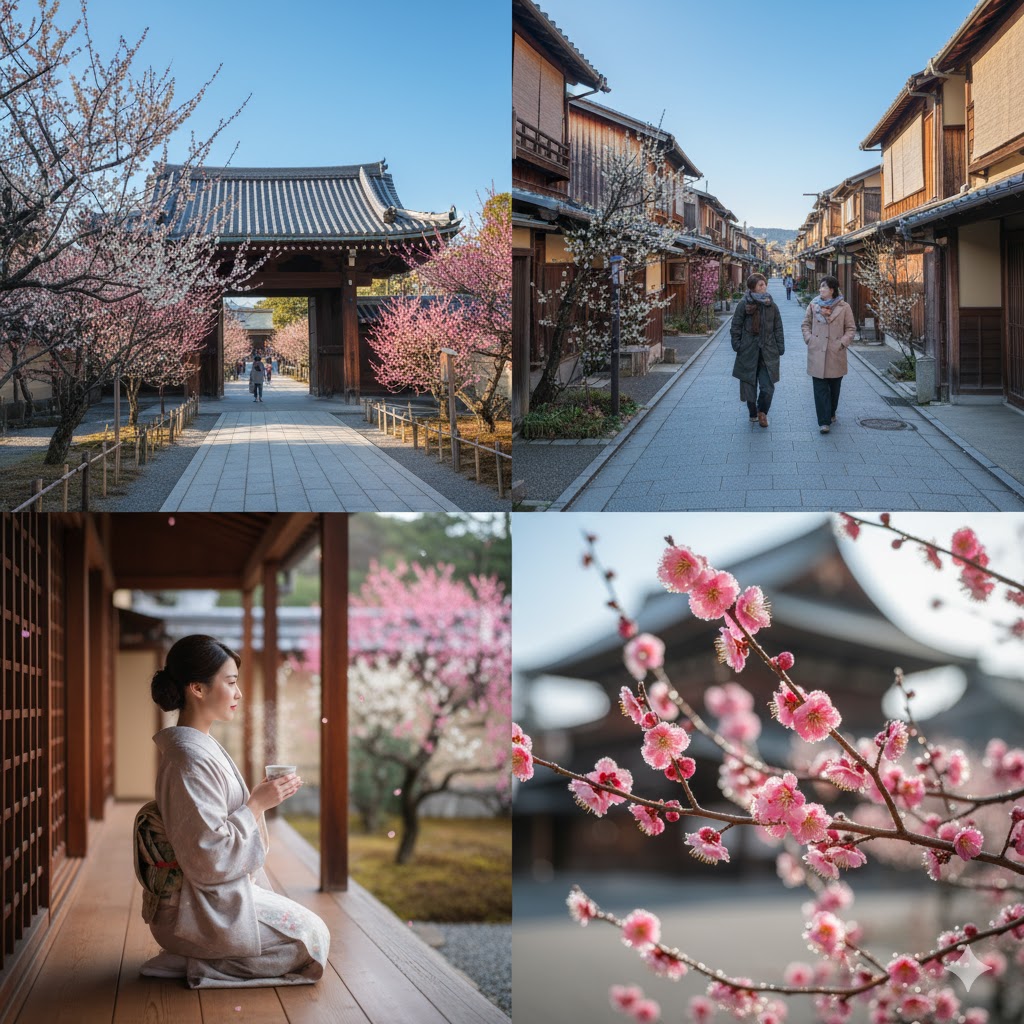
1. Why Visit Kyoto in February 2026? The Perfect Time for Budget-Conscious Travelers
February might not be the first month that comes to mind when planning a Kyoto trip, but here’s the secret that savvy travelers know: February is absolutely magical in Kyoto. While most international visitors flock to Japan during cherry blossom season (March-April) or autumn foliage (November), February offers something truly special—fewer crowds, authentic experiences, and a price tag that won’t make your wallet cry.
If you’re dreaming of exploring Kyoto without battling massive crowds at every temple entrance, February 2026 is your golden ticket. The ancient capital transforms into something less touristy but equally enchanting, and you’ll actually have space to breathe while soaking in the history and culture.
1-1. The Numbers Don’t Lie: Why February Is Different
During peak season (March-April), Kyoto’s major attractions see millions of visitors. Popular spots like Fushimi Inari and Arashiyama can feel like concert venues rather than serene spiritual spaces. The famous Sannenzaka street transforms into a human river, with shoulder-to-shoulder crowds making genuine appreciation nearly impossible. Fast forward to February, and you’re looking at a completely different experience—fewer selfie sticks, shorter lines, and ample opportunities to have genuine moments with the temples, gardens, and sacred spaces.
Plus, hotel rates drop significantly in February. You can often snag accommodations at 30-50% less than peak season prices, which means more money for exploring, eating, and enjoying authentic experiences. Ryokan stays that cost $300 per person during cherry blossom season might run $150 in February. Small hotels in prime locations become actually available rather than booked-solid months in advance.
Local restaurants operate at normal pace rather than assembly-line speed. You’re not squeezed through a meal in 30 minutes—staff actually have time to explain dishes, answer questions, and engage with guests. This matters immensely when you’re experiencing somewhere as culturally rich as Kyoto.
1-2. The Tourist Psychology Factor
Another consideration: February travelers tend to be more intentional. People visiting in February specifically chose this season—they’re not following Instagram trends or guidebook recommendations. This self-selection creates a different tourist demographic. You’ll encounter genuine interest in culture rather than pure sightseeing checkbox completion.
Local guides, monks, and restaurant staff recognize this distinction. You might find yourself having genuine conversations about Kyoto’s history, philosophy, or cuisine rather than brief transactional interactions.
2. The Best Time to Experience Authentic Kyoto: Weather, Flowers & Atmosphere
2-1. February Weather: Crisp But Entirely Manageable
Let’s be honest—February in Kyoto is cold. Temperatures typically range from 35°F to 48°F (2°C to 9°C), and yes, you’ll need layers. But here’s what makes it worth bundling up: the air is crystal clear, humidity is minimal, and the city has this invigorating, refreshing quality that you simply don’t get during humid summer months or rainy early June.
The clarity means visibility is exceptional. Views from high temple grounds stretch for miles, and photography enthusiasts will find the lighting absolutely stunning. Those crisp winter days often feature brilliant blue skies that make temple photos look like postcard images—no haze, no heavy humidity distorting your shots. The air feels clean and sharp, which creates an almost spiritual quality to exploring historic spaces.
2-2. Why Winter Light Is Photographer’s Paradise
When experienced photographers plan Kyoto trips, many specifically avoid peak seasons because of lighting challenges. Summer humidity creates haze. Spring can be cloudy. But February delivers consistent, bright, clear light with longer golden hours. The sun’s lower angle during winter means side-lighting that reveals architectural texture. Stone pathways, wooden temple elements, and garden details become gorgeously visible in ways they’re not during other seasons.
The color palette changes too. Without green foliage creating busy visual competition, your eye focuses on architectural lines, stone textures, and subtle seasonal colors. It’s like comparing a busy painting to a minimalist masterpiece—both have merit, but one demands less visual processing.
2-3. Early Plum Blossoms: Nature’s Underrated Show
Here’s something many tourists don’t realize: plum blossoms bloom in late January and February—weeks before cherry blossoms arrive. While cherry blossoms get all the Instagram glory, plum blossoms are equally beautiful and come with a fraction of the crowds.
The flowers range from pure white to deep pink and deep red, and they often come with a delicate, sweet fragrance that fills temple grounds. Temples like Kiyomizu-dera and nearby gardens feature plum trees specifically cultivated for early-season viewing. The fragrance—often described as honey-like—becomes noticeable in quiet temple spaces in February. In February 2026, you’ll catch this natural spectacle when it’s still relatively uncrowded and genuinely appreciated.
Many temples hold special early spring viewing events in February, sometimes featuring special tea services or evening illuminations of blossoming trees. These events are organized for locals and dedicated travelers rather than massive tourist crowds. Check individual temple websites in advance.
2-4. The Atmosphere: Kyoto Without the Performance
February feels like Kyoto is showing you the “real deal” rather than a performance for tourists. You’ll encounter local shopkeepers who have time to chat, monks conducting their daily routines without enormous crowds, and traditional restaurants operating at their own pace rather than assembly-line speed.
This atmosphere extends to neighborhoods. Walking through Higashiyama in February, you’ll see locals going about daily life—shopkeepers opening shutters, elderly residents sitting in gardens, small groups chatting at corner shops. It’s Kyoto functioning as an actual lived-in city rather than an outdoor museum performing for visitors.
This atmosphere extends to dining as well. While popular ramen shops during peak season serve customers in rapid succession with customers waiting in line outside, February restaurants can actually engage with their guests, explain their craft, and share stories about their dishes and techniques. You’re a guest being welcomed rather than a transaction being processed.
3. Must-Visit Attractions Near Kyo-Udon Ishin: Your Base for Exploration
Located in Kyoto’s Higashiyama Ward (東山区), specifically in Masui-cho, Kyo-Udon Ishin sits in one of the most historically rich neighborhoods in Japan. The area is essentially an open-air museum of temples, historic streets, and traditional architecture. This location provides exceptional access to multiple attractions within walking distance—perfect for a food-centered travel experience.
3-1. Kiyomizu-dera (清水寺): The Iconic Temple With a View
Just a 10-minute uphill walk from Kyo-Udon Ishin, Kiyomizu-dera is one of Japan’s most celebrated temples and a UNESCO World Heritage site. The temple’s defining feature is its massive wooden stage that juts out over a hillside, offering panoramic views of Kyoto stretching all the way to distant mountains on clear days.
This stage isn’t decorative—it’s fundamental to the temple’s design and purpose. Built in 1633, it juts roughly 12 meters (40 feet) from the main hall, creating an unsupported viewing platform. The engineering represents remarkable construction achievement for its era, and the views justify the engineering complexity.
Why February is ideal: February foot traffic is manageable, meaning you can actually spend time on the main stage without being swept along by crowds. The plum blossoms bloom on temple grounds in late February, creating a stunning natural complement to the architecture. You can move at your own pace, photograph details without people interrupting frames, and actually have the contemplative experience the temple designers intended.
The temple’s origin dates back 1,200+ years, and it’s dedicated to Kannon, the Buddhist Goddess of Mercy. Beyond the main hall, explore secondary temples, meditation gardens, and the sacred Otowa Waterfall, where water flows from the hillside into three distinct streams. According to tradition, drinking from each stream grants health, longevity, and academic success (though the locals might gently suggest that sharing a cup is more practical than everyone trying to drink from the trickle).
The main gate and approaches feature authentic Edo-period architecture. The pathways wind through gardens that change seasonally—February’s bare branches reveal architectural details obscured by foliage during other seasons.
Practical information:
Admission: ¥600 ($4 USD)
Hours: 6:00 AM – 6:00 PM (winter hours)
Best visited: 7:00-9:00 AM for optimal light and minimal crowds
Time needed: 60-90 minutes
3-2. The Five-Story Pagoda (五重塔): Architectural Perfection
Visible from the approach to Kiyomizu-dera, the Five-Story Pagoda (Gojo-no-To) is technically part of Hokanji Temple. This stunning structure dates back to 1440 and represents classic Japanese architectural design at its finest. It’s arguably Kyoto’s most photographed structure, and for good reason.
What makes this pagoda special isn’t just its age—it’s the geometric perfection. Each tier decreases in size with mathematical precision, creating an optical illusion where the structure appears perfectly balanced and almost ethereal. The proportions follow Buddhist architectural principles that emphasize harmony and balance.
The wooden construction showcases joinery techniques refined over centuries. The structure has survived earthquakes that leveled other buildings, a testament to engineering that predates modern structural science. Yet the design feels light, almost floating, despite its stability.
In the crisp February light, photographing this pagoda reveals details often lost in humid, hazy conditions. The wood grain becomes visible, shadow lines become pronounced, and the structure seems to have almost three-dimensional quality through your camera lens.
The pagoda is a 5-minute walk from Kyo-Udon Ishin and offers the kind of photo opportunity that makes travel friends back home actually jealous. Local photographers often return to this spot repeatedly across seasons, fascinated by how different light transforms the structure.
Practical information:
Admission: Free (visible from public viewpoint)
Best time: Afternoon (2-4 PM) for side-lighting
Photography note: Morning backlighting creates silhouette effect; afternoon side-lighting reveals texture
Time needed: 15-30 minutes
3-3. Nene-no-Michi (ねねの道): The Most Atmospheric Walking Path
This might genuinely be Kyoto’s most photogenic street, and here’s the best part: it’s practically empty in February. Nene-no-Michi is a stone-paved pedestrian path that winds along a canal lined with traditional wooden buildings, lanterns, and willows.
The path is named after Nene, wife of warlord Toyotomi Hideyoshi, and it connects two major temples (Kiyomizu-dera and Kodai-ji) while passing through perfectly preserved geisha district architecture. Small galleries, tea shops, and traditional restaurants line both sides. In peak season, you might wait in line just to walk this path. In February, you can actually walk and appreciate the architecture without being swept along in a throng of tourists.
The stone pathway itself has history—it’s been in place for centuries, worn smooth by millions of footsteps. Walking it feels like literally following Kyoto’s past. The willows overhead create tunnel-like effect in some sections, and in February’s bare branches, this geometric quality becomes particularly pronounced.
Galleries along the path feature local artists, ceramicists, and craftspeople. Without crowds, you can actually browse and chat with gallery owners about their work. This personal connection often leads to genuine cultural exchange rather than superficial souvenirs.
Why it’s perfect for planning your day: After your morning temple walks, a stroll through Nene-no-Michi builds appetite and provides context for your lunch choice. The quiet ambiance makes it the ideal pre-meal destination, mentally preparing you for the dining experience.
Practical information:
Length: Approximately 1 kilometer (0.6 miles)
Time needed: 30-60 minutes depending on photo stops
Best time: Early morning (7-8 AM) or evening (4-5 PM)
Accessibility: Easily navigable but uneven stone—wear sturdy shoes
3-4. Sannenzaka (三年坂), Nininzaka (二年坂) & Isninzaka (一念坂): Historic Shopping Streets
These three interconnected slopes feature some of Kyoto’s best-preserved merchant houses. Many now house shops, galleries, and restaurants, but the streets themselves are historical treasures dating back centuries. Walking these streets is stepping through Edo-period Kyoto—the atmosphere is remarkably intact.
Sannenzaka (literally “Three-Year Slope”) is the oldest and most atmospheric. Legend suggests that slipping on these stones means three years of bad luck—so walk carefully, or consider it a commitment device for returning to Kyoto. The street features small pottery shops, traditional sweet makers (mochi shops dating back generations), souvenir stores, and historic restaurants housed in buildings that are sometimes 300+ years old.
The architecture reveals construction techniques predating modern materials. Wooden pillars, clay tiles, and hand-worked stone create authentic atmosphere. Many buildings feature wooden lattice windows (kumiko) that served practical purposes—allowing light and air while maintaining privacy.
Nininzaka (“Two-Year Slope”) parallels Sannenzaka with similar shop types but slightly less crowded conditions, especially in February. Some locals prefer this street precisely because it’s marginally quieter while retaining the historic atmosphere.
Isninzaka (“One-Year Slope”) connects the other two and features the same historic aesthetic with various shops and cafes. This is where many travelers make the crucial discovery that these three streets form a complete historic district rather than individual attractions.
These streets form a natural walking route, and locals actually prefer exploring them in winter when you can appreciate the architecture and craftsmanship without fighting crowds. February provides perfect conditions for photography—the lower sun angle makes shadow and texture visible on building facades.
Practical information:
Best time: 10:00 AM – 2:00 PM (after temples, before dinner planning)
Café break: Numerous small cafes offer matcha or coffee
Shopping note: Prices at souvenir shops are higher than elsewhere in Kyoto—browse but consider buying elsewhere
Time needed: 45-75 minutes
3-5. Kodai-ji Temple (高台寺): The Intimate Alternative
Situated between Nene-no-Michi and the main Higashiyama attractions, Kodai-ji Temple is often overshadowed by Kiyomizu-dera but offers a fundamentally different experience. Founded in 1606 by Nene (the same woman Nene-no-Michi is named after), the temple features a graceful, less imposing architecture focused on contemplation rather than spectacle.
The temple features beautiful tile-roofed buildings, carefully maintained gardens, and a tea house that functions as both historical artifact and active facility. Unlike crowded temples, Kodai-ji preserves its intended atmosphere—a place for quiet reflection rather than tourism processing.
The garden design follows Buddhist principles, with carefully placed stones, water features, and planted areas creating meditative experience. In February, without leaf canopy, the garden’s structural design becomes visible in ways impossible during other seasons. You can see stone arrangements, water flow patterns, and architectural relationships to gardens.
Why this matters: After visiting Kiyomizu-dera’s grandeur, Kodai-ji offers philosophical counterpoint. If Kiyomizu-dera teaches through scale and presence, Kodai-ji teaches through refinement and restraint. Visiting both creates complete understanding of how Japanese temple design accommodates different purposes and philosophies.
Practical information:
Admission: ¥600 ($4 USD)
Hours: 9:00 AM – 5:00 PM
Location: 5-minute walk from Kyo-Udon Ishin
Time needed: 45-60 minutes
Tea service: Available in the tea house (additional ¥1,000/$7)
3-6. Yasaka Shrine (八坂神社): The Neighborhood’s Spiritual Heart
Walking 15 minutes from Kyo-Udon Ishin, you’ll encounter Yasaka Shrine (also known as Gion Shrine)—one of Kyoto’s most important Shinto shrines and spiritual center of the Gion geisha district. Dating back 1,350 years, the shrine maintains cultural significance that extends far beyond tourist appeal.
Unlike temples (Buddhist), shrines (Shinto) feature different architectural styles, purposes, and atmospheres. Where temples emphasize meditation and Buddhist philosophy, shrines connect to nature spirits and local culture. Yasaka Shrine functions as genuine spiritual center for surrounding neighborhood.
The main shrine building features distinctive red color (representing spiritual protection and vitality in Shinto tradition). Multiple secondary shrines, gates (torii), and gathering spaces fill the extensive grounds. In February, without crowds, the shrine functions as active spiritual space—you might encounter locals making personal prayers or small groups celebrating minor festivals.
Why February is ideal: You can explore the grounds without crowds, potentially encountering actual shrine functions—cleaning ceremonies, local gatherings, or personal worship that tourists rarely witness. The experience shifts from “visiting a sight” to “observing how Kyoto’s spiritual life functions.”
The shrine’s relationship to Gion’s geisha district adds cultural layer. For centuries, geisha have maintained connections to Yasaka Shrine, and the shrine remains center of Gion’s community identity. Understanding this relationship—seeing geishas at certain times, understanding shrine-community integration—provides cultural context that enriches your Kyoto experience.
Practical information:
Admission: Free
Hours: Always accessible
Best time: Early morning (6-8 AM) or evening (5-7 PM)
Location: 15-minute walk from Kyo-Udon Ishin
Time needed: 45-90 minutes depending on exploration depth
3-7. The Greater Higashiyama District: Connected Temples & Hidden Treasures
From Kyo-Udon Ishin’s central location, you’re positioned to access numerous smaller temples, shrines, galleries, and historic buildings. This district essentially functions as open-air museum—nearly every building has historical significance, but most receive minimal crowds even during peak seasons.
Connected walking paths link these various sites, creating multiple possible routes depending on interests and energy levels. You might spend hours exploring and encounter fewer than 50 other tourists—a remarkably different Kyoto experience than crowded peak-season visits.
4. Walking Routes Through Historic Higashiyama: Create Your Perfect Day
4-1. Morning Route: Temples & Plum Blossoms (3-4 hours)
Recommended schedule:
6:50 AM – Sunrise: If you’re energized for early exploration, start just before sunrise. The light quality during the hour after sunrise is genuinely extraordinary for photography and contemplation.
7:30 AM – Kiyomizu-dera: Arrive right as the temple opens. The grounds are peaceful, light is exceptional, and crowds haven’t yet arrived. Spend 75-90 minutes exploring the main hall, secondary buildings, and grounds. The early morning atmosphere makes even familiar routes feel new.
9:15 AM – Return via Nene-no-Michi: Take the scenic walking path back down toward the main Higashiyama area. This route offers natural cool-down time after the uphill temple exploration. Stop at small galleries or tea shops if appealing. Allocate 45-60 minutes.
10:15 AM – Explore Historic Shopping Streets: Browse Sannenzaka, Nininzaka, and Isninzaka. The shops are now open, galleries are displaying work, and the streets are energetic but not crowded. You might stop for coffee, browse ceramics, or simply enjoy the atmosphere. Plan 60-75 minutes.
Why February works: Plum blossoms bloom on temple grounds, light is perfect for photography, and you’ll move through this entire route without once feeling rushed or crowded. The early morning energy is genuinely special—you’re experiencing the temples and streets as monks and shopkeepers encounter them daily, not as tourist attractions.
4-2. Afternoon Route: Shrine & Neighborhood Exploration (2-3 hours)
Recommended schedule:
12:30 PM – Lunch at Kyo-Udon Ishin: After morning exploration, you’ll be genuinely hungry. Eating at Kyo-Udon Ishin completes the morning’s spiritual and cultural exploration with physical nourishment. An unhurried meal takes 60-75 minutes and provides energy for afternoon exploration.
2:00 PM – Kodai-ji Temple: Walk from Kyo-Udon Ishin to this intimate temple. Explore the grounds, possibly participate in the tea service. The quiet afternoon atmosphere is fundamentally different from morning energy. Plan 60-90 minutes.
3:30 PM – Neighborhood Exploration: Wander residential areas surrounding Kodai-ji. These blocks feature traditional houses, local shops, and genuine neighborhood atmosphere often missed by tourists sticking to main routes. You might discover small cafes, artist studios, or hidden gardens. Plan 45-60 minutes.
4:30 PM – Yasaka Shrine: Walk toward the shrine as afternoon light becomes golden. The approach through residential neighborhoods provides context for understanding shrine-community integration. Plan 60-75 minutes at the shrine and surrounding area.
Why February works: You can take photos without crowds photobombing every shot, locals are visible and the neighborhood feels lived-in rather than theme-park-like, and walking pace is leisurely rather than tourist-rush pace.
4-3. Evening Route: Atmosphere & Dinner (2-2.5 hours)
Recommended schedule:
5:00 PM – Golden Hour Walk: Begin walking through Nene-no-Michi or surrounding historic streets as daylight becomes golden. This is the absolute best light for photography and atmosphere. The early evening hours (5:00-5:30 PM) feature exceptional clarity and warm tones.
5:30 PM – Lantern Illumination: As daylight fades (around 5:20 PM sunset in February), traditional lanterns throughout Higashiyama illuminate. This transition creates almost magical atmosphere. You’ll experience the district transforming from day to evening—few tourists experience this in peak seasons when darkness falls during crowded shopping hours.
6:00 PM – Return & Dinner: End your day at Kyo-Udon Ishin for dinner (or other evening dining option). Alternatively, head to your accommodation for rest. If dining at Kyo-Udon Ishin, you’ll eat during a quiet evening period with peaceful atmosphere.
Why February works: Daylight hours are limited (around 5:30 PM sunset), so timing your walk to coincide with golden-hour light is perfectly natural. The reduced crowds and clear winter light create an almost haunting beauty as daylight fades—an experience fundamentally different from crowded peak-season visits.
5. What to Expect Weather-Wise: Packing Like a Pro
5-1. Temperature Ranges & What to Bring
Daytime typical range: 45-50°F (7-10°C) Evening typical range: 35-40°F (2-4°C) Rare extremes: Down to 28°F (-2°C) on particularly cold nights
This might sound cold compared to tropical climates, but it’s genuinely manageable and, frankly, more comfortable than summer heat. Here’s what experienced Kyoto February visitors recommend packing:
Layering strategy (non-negotiable):
Base layer: Moisture-wicking thermal underwear or merino wool leggings
Mid-layer: Fleece jacket or wool sweater (something you can easily remove if activity generates heat)
Outer layer: Windproof and water-resistant jacket
This layering approach allows you to adjust clothing between heated restaurants/shops and outdoor temple exploration. You’ll likely shed and add layers throughout the day as activity and environment change.
Footwear considerations: Kyoto is massively walkable, and you’ll easily clock 15,000-20,000 steps daily. Make sure your shoes are:
Thoroughly broken in (don’t rely on new shoes)
Have good traction and grip (temple paths and stone streets can be slippery if there’s occasional moisture)
Provide ankle support (cobblestone streets can stress ankles)
Easy to remove (you’ll be removing shoes frequently entering temples and shops)
Many experienced travelers recommend hiking shoes or quality walking boots over typical sneakers—the support matters on historic stone surfaces.
Essential accessories:
Lightweight merino wool scarf (warmth without bulk, easy to adjust)
Warm gloves (essential for early mornings; still useful mid-day)
Warm hat (a huge amount of heat radiates from your head)
Thermal leggings or lined pants (crucial for outdoor cafe seating to actually be enjoyable)
5-2. Rain & Snow: Preparedness vs. Worry
February in Kyoto rarely sees significant snowfall (it happens maybe 2-3 times per decade), but occasional light rain, sleet, or freezing rain is possible. Bring a compact umbrella just in case—it’s lightweight and takes minimal pack space.
Important: Most temples are covered or have covered walkways, so light rain won’t derail your plans. In fact, many photographers specifically appreciate rain—wet stone creates reflection and shadow effects that enhance photography. Rain also temporarily reduces crowds further (people seek shelter in shops and restaurants).
Walking in light rain through Nene-no-Michi or temple grounds creates genuine atmosphere often described by travelers as “especially beautiful.” The wet stone pathways become mirror-like, lanterns reflect in puddles, and the whole experience becomes almost artistic.
5-3. Sunrise & Sunset Times (Critical for Planning)
February 1, 2026: Sunrise 6:56 AM, Sunset 5:14 PM February 14, 2026: Sunrise 6:38 AM, Sunset 5:28 PM February 28, 2026: Sunrise 6:16 AM, Sunset 5:45 PM
These times matter tremendously for planning. If you want to photograph temples at sunrise, you’ll need to be up and moving by 6:30 AM (considering preparation time). Conversely, dinner reservations should be around 5:00-6:00 PM if you want daylight ambiance or golden-hour atmosphere.
The daylight extension through February is noticeable—you have roughly 11 hours of daylight on February 1, but by February 28, that extends to nearly 11.5 hours. Later in February, you have marginally more daylight for evening exploration.
6. Dining Recommendations: Why Kyo-Udon Ishin Is Worth Planning Your Day Around
Located in Kyoto’s East Ward (Higashiyama-ku), specifically in Masui-cho, Kyo-Udon Ishin isn’t just a convenient lunch spot—it’s a destination experience that genuinely represents the intersection of Kyoto’s deep culinary tradition and thoughtful, modern innovation.
6-1. What Makes Kyo-Udon Ishin Fundamentally Different
Kyo-Udon Ishin translates roughly to “Kyoto Udon Revolution,” and the name isn’t just marketing—it represents a genuine philosophy. This restaurant honors Kyoto’s centuries-old culinary heritage while refusing to be bound by “this is how we’ve always done it.” It’s the culinary equivalent of experiencing February Kyoto—seeking authenticity and depth rather than following tourist-season patterns.
6-2. Water: The Overlooked Foundation of Everything
Udon is conceptually simple: wheat flour, water, salt, and technique. But within that simplicity exists profound complexity that reveals itself only through careful attention. Kyo-Udon Ishin begins with water—specifically, the pristine mountain spring water that flows through Kyoto’s Higashiyama district. This isn’t marketing hyperbole. Water quality directly impacts noodle texture (the subtle chewiness that defines quality udon), soup flavor (minerals influence umami perception), and overall eating experience.
Many restaurants use tap water treated with minerals, which works fine functionally. But Kyo-Udon Ishin’s spring water creates measurably different results that diners immediately notice. The noodles have different elasticity, the broth has different depth, and the overall experience feels lighter and cleaner—the difference between restaurant udon and truly exceptional udon.
6-3. Locally Sourced Flour: Building Agricultural Relationships
Rather than buying flour from massive commodity suppliers (like countless restaurants do), Kyo-Udon Ishin partners with contract farmers in the Kyoto region who cultivate specific wheat varieties suited to udon production. This sounds like marketing, but it creates genuine operational complexity and benefit.
Wheat protein content, moisture, and gluten development vary seasonally. The kitchen team adjusts flour blend recipes monthly based on seasonal variations. Early spring flour might require different ratios than late winter flour. This attention means consistency without monotony—your February bowl tastes like February while maintaining fundamental quality standards.
Farmers develop relationships with the restaurant, sometimes personally bringing wheat harvest samples for evaluation. This integration connects kitchen directly to agriculture in ways that commodity supply chains eliminate.
6-4. Broth: The 24-Hour Commitment to Depth
The restaurant’s genuine signature achievement might be its broth—a deeply layered, umami-rich liquid that tastes like concentrated Kyoto mountain essence. The recipe includes kombu (kelp harvested from Japanese coastal waters), bonito flakes, shiitake mushrooms, and other Kyoto-sourced ingredients.
Here’s what distinguishes their approach: the broth starts preparation the day before service. The minimum infusion time is 24 hours. Some preparations extend 36 hours. Quick shortcuts aren’t options here. This patient approach results in a fundamentally different broth than restaurants using accelerated methods.
The initial infusion pulls clean flavors from ingredients. The extended time allows deeper extraction of umami compounds (glutamates and nucleotides). The result tastes layered—your palate encounters different flavor notes as the broth sits on your tongue. This complexity is what separates adequate from exceptional.
6-5. Seasonal Philosophy: Respecting What’s Actually Available
Like high-end kaiseki restaurants, Kyo-Udon Ishin embraces genuine seasonality rather than year-round consistency. February menu items highlight winter vegetables, root crops, and seasonal greens available from local farms. Limited-time offerings reflect what’s actually fresh, not what’s been sitting in frozen storage since last season.
In February, you might see mountain vegetables (sansai), kabocha squash prepared simply to highlight its sweetness, or leafy greens at peak nutrition and flavor. These rotate throughout the month as different items reach peak season.
This seasonality means your February visit offers unique menu items different from what you’d encounter in March. Regular visitors specifically revisit to encounter seasonal menus. It’s not gimmicky—it’s respecting how food actually grows and tastes best.
6-6. The Menu: What You’ll Actually Eat
Signature Kyo-Udon: The house specialty features their signature broth with fresh udon noodles made daily. Toppings vary seasonally, but might include winter vegetables prepared simply, local greens adding color and nutrition, a perfectly positioned soft-boiled egg, and carefully arranged pieces of vegetables that look like they belong in sushi presentation rather than casual udon bowl. It’s casual food elevated through respect for ingredients and technique.
Cold Udon (Hiyamen): February feels like hot udon weather, but Kyo-Udon Ishin’s cold udon is absolutely worth trying at least once. The chilled noodles have fundamentally different textural quality—the chewiness becomes pronounced in cold application. The broth concentrate used for dipping emphasizes umami punch. It’s a deliberate 5-10 minute eating experience designed for focused appreciation of each element rather than casual consumption.
Seasonal Vegetable Preparations: The menu features current-season vegetables prepared with minimal intervention—a reflection of the ingredient rather than kitchen showmanship. Root vegetables might be lightly simmered in miso-based broth. Leafy greens might be briefly blanched and finished with sesame oil. Each preparation lets the ingredient’s inherent qualities emerge.
Protein Options: While vegetable-forward, the menu features protein preparations that honor ingredients. These might include tempura (lightly fried vegetables or occasional proteins), simmered chicken in seasonal broths, or other preparations where protein supports rather than dominates the dish.
Sides & Small Plates: Expect thoughtfully prepared sides—perhaps a small salad reflecting current produce, a tiny portion of house-made pickles (tsukemono), or a small dish designed to complement your main udon selection. These aren’t filler—they’re carefully considered components of the meal experience.
Beverage Pairings: The restaurant takes beverages as seriously as food. Local Kyoto sake from small breweries, tea selections from respected growers, and non-alcoholic drinks (perhaps ume (plum) juice in February) are chosen to complement the food. Staff can recommend pairings or explain selection reasoning.
6-7. Atmosphere: Authenticity Without Pretension
Kyo-Udon Ishin doesn’t pretend to be fine dining theater. The space is clean, relatively simple, and focused on food rather than trendy minimalism or Instagram aesthetics. You might sit at a counter watching noodles being prepared, or at small tables where you can actually have conversations without shouting.
The natural wood, subtle lighting, and minimal decoration create atmosphere that emphasizes what matters: the food and people dining together. No elaborate presentation, no modernist plates—just quality food on appropriate dishware.
The staff speaks limited English but communicates through patience, pointing, sketches, and genuine enthusiasm for sharing their restaurant’s philosophy and approach. This isn’t corporate chain friendliness—it’s authentic hospitality from people genuinely proud of their work and interested in sharing it.
Many customers are repeat visitors or locals, which indicates something important: this restaurant has earned loyalty through genuine quality rather than tourist marketing. Eating where locals eat represents authentic experience.
6-8. Perfect Timing for Your Visit
Optimal lunch timing: 11:45 AM – 1:15 PM (peak local lunch rush is 12:00-12:30 PM, so arriving 11:45 AM or after 1:00 PM offers quieter experience) Evening timing: 5:15 PM – 8:00 PM (with 5:15-5:45 PM offering the quietest conditions)
February doesn’t bring the crushing lunch crowds that plague peak season, but arriving slightly off-peak still guarantees better service and a less rushed experience. The restaurant’s philosophy emphasizes thoughtful dining rather than efficient turnover.
The restaurant pairs perfectly with morning temple exploration. After 2-3 hours walking uphill through Kiyomizu-dera, negotiating historic streets, and soaking in Kyoto atmosphere, you’ll be genuinely hungry—and Kyo-Udon Ishin’s simple, perfect bowls become transcendent after physical activity and cultural immersion.
Alternatively, it’s an excellent dinner destination. Eat around 5:30 PM, then evening walk through Nene-no-Michi as daylight fades and lanterns illuminate. The meal sits comfortably in your stomach during gentle evening exploration.
7. Sample Itinerary for February: A Perfect Day in Higashiyama
7-1. 7:00 AM – Wake & Early Preparation
Rise early enough to experience sunrise and temple grounds before crowds. Eat light breakfast at your accommodation (or skip breakfast to arrive at temple extra early).
7-2. 7:45 AM – Arrive at Kiyomizu-dera
The main gate is opening as crowds are still minimal. The light is just reaching that golden-hour quality that makes photography exceptional. Enter while temple atmosphere is contemplative rather than touristic.
Time allocated: 60-75 minutes
Why: Sunrise is around 6:50 AM, so by 7:45 AM the light is perfect but not yet harsh. Temple staff are still conducting opening routines, and the energy feels reverent rather than touristic. You might encounter monks conducting morning practice—a genuine experience rather than staged performance.
7-3. 9:00 AM – Walk Nene-no-Michi (Return Route)
The return route down from Kiyomizu-dera can traverse the Nene-no-Michi canal path for scenic descent. Plan leisurely walk with occasional photo stops.
Time allocated: 45-60 minutes
Why: Rather than retracing uphill path, this scenic alternative route introduces Nene-no-Michi early in your day. Small galleries and shops are opening, providing easy browsing.
7-4. 10:15 AM – Historic Shopping Streets Exploration
Wander Sannenzaka, Nininzaka, and Isninzaka, browsing galleries and shops. Stop for tea at a small cafe if appealing. Get comfortable with neighborhood architecture and layout.
Time allocated: 45-60 minutes
Why: These streets are beginning to fill with other visitors, but February traffic remains manageable. Shops are fully open, and you can browse without feeling rushed.
7-5. 11:15 AM – Kodai-ji Temple & Surrounding Area
Visit the smaller but exquisite Kodai-ji Temple. Explore grounds and possibly participate in tea service (additional ¥1,000 / $7).
Time allocated: 60-75 minutes
Why: Exploring temples in sequence prevents fatigue—Kiyomizu-dera’s grandeur followed by Kodai-ji’s refinement creates philosophical counterpoint. By mid-morning, morning crowds have moved on but lunch crowds haven’t yet arrived.
7-6. 12:30 PM – Lunch at Kyo-Udon Ishin
Arrive for lunch when the restaurant is warming up but not yet peak-busy. Enjoy unhurried meal, taking time to appreciate each element.
Time allocated: 75-90 minutes (including service)
Why: Your morning activity has built genuine hunger. The restaurant’s approach matches your energy level and creates natural rest point in your day.
7-7. 2:00 PM – Rest or Light Exploration
After lunch, either return to your hotel for nap (highly recommended after morning temple walking in cool weather), or sit at a cafe with tea/coffee and reflect on morning experiences.
Time allocated: 30-90 minutes
Why: Afternoon rest is standard practice in Japan and aligns with natural energy dip. This recharges you for afternoon exploration.
7-8. 3:30 PM – Afternoon Temple Exploration
Visit different temple or explore neighborhoods you haven’t yet seen. The afternoon light is excellent for photography without the golden-hour intensity. Crowds are minimal.
Time allocated: 90-120 minutes
Why: This provides balance between active exploration and rest. Afternoon light reveals different qualities than morning light.
7-9. 5:15 PM – Evening Walk Through Nene-no-Michi
This is the magic hour. Daylight is golden, lanterns are beginning to illuminate, and the path becomes absolutely magical. Photograph and experience atmosphere as day transitions to evening.
Time allocated: 30-45 minutes
Why: This becomes your pre-dinner stroll and prepares you for evening rest or further dining. The light quality and atmosphere are genuinely special.
7-10. 6:00 PM – Dinner Planning
Either return to Kyo-Udon Ishin for second meal (if you haven’t already experienced dinner there), explore other Higashiyama dining options, or head to your accommodation for rest.
Why: Evening meal aligns with Japanese dining timing rather than Western hours. Early eating allows evening rest.
7-11. 7:30 PM – Evening & Rest
Return to accommodation for rest and reflection. You’ve covered 18,000+ steps, visited multiple temples, absorbed genuine Kyoto atmosphere, and experienced food intentionally connected to place.
8. Pro Tips for Your February Kyoto Visit: Maximize Your Experience
8-1. Accommodation Strategy: Location > Luxury
Book accommodations specifically in Higashiyama district. This ensures you’re within walking distance of major attractions, can experience early-morning temple atmosphere, and avoid transportation time. You’ll save significantly versus staying in central Kyoto or near the station.
Consider guesthouses, traditional ryokan, or small family-run hotels rather than massive chains. These often provide:
Genuine local knowledge from staff
Ability to arrange early breakfast or late dinner
Actual conversations about neighborhood recommendations
Character and atmosphere over standardized design
Budget options (under $80/night) exist in Higashiyama and offer solid atmosphere. Mid-range options ($100-200/night) often provide exceptional value for private rooms with traditional elements.
8-2. Consider a Hiking Route Through Higashiyama
Beyond the main temples, Higashiyama features numerous hiking trails connecting various shrines and temples. These paths are used primarily by locals in February—you’ll encounter perhaps 10 other hikers instead of crowds.
The forest atmosphere, mountain views, and sense of exploration create entirely different Kyoto experience. Trails range from 30 minutes to 3+ hours depending on route selection. Trail maps are available at visitor centers or through accommodation staff.
Wear sturdy hiking boots—the paths aren’t paved and can be muddy or slippery depending on recent weather.
8-3. Photography Tips for February Light
February creates exceptional photography conditions:
Early morning (7-9 AM): Golden side-lighting reveals architectural details. Minimal clouds mean dramatic skies. Shadows are long and pronounced. This is genuine “golden hour” timing when the sun is low but day is active.
Mid-day (11 AM-2 PM): High contrast can create challenging lighting, but temple architectural lines become prominent. The clean winter light emphasizes geometry.
Golden hour (4-5:30 PM): The limited daylight hours mean extended golden hour. This is genuinely the best time for photography on Nene-no-Michi and surrounding streets. The angle of light transforms ordinary stone into something photogenic.
Plum blossoms: Shoot against clear blue skies if possible—the color contrast is stunning. Overcast days reduce flower vibrancy. Close-up photography (macro if possible) reveals intricate flower details.
8-4. Language & Communication Strategy
English signage exists at major temples and main streets, but neighborhood exploration involves minimal English. This is actually wonderful—it forces slowing down and genuine interaction.
Practical approaches:
Download Google Translate app for quick reference
Learn basic phrases (hello: “konnichiwa,” thank you: “arigatou,” excuse me: “sumimasen”)
Carry small phrasebook
Embrace communicating through gestures and smiles
Staff at Kyo-Udon Ishin speak limited English but will patiently help you navigate menu choices through pointing, sketches, or translation apps. This patience signals genuine hospitality.
8-5. Respect Temple Etiquette: It Actually Matters
Remove shoes when entering temple buildings (places to store shoes are always provided)
Don’t photograph during active ceremonies or meditation periods
Speak quietly on temple grounds
Don’t sit on sacred areas (you’ll recognize them—they’re roped off or obviously significant)
At shrines, bow before passing through torii gates
Don’t stand in walkways blocking others’ paths
February’s reduced crowds actually make following these practices feel natural rather than restrictive. You’re not racing past others or breaking concentration.
8-6. Plan for Early Dinner Timing
Sunset in February is around 5:20 PM. If you want dinner with daylight ambiance, eat by 5:30 PM at latest. Most restaurants, including Kyo-Udon Ishin, accommodate early diners without fuss. This aligns with Japanese dinner timing rather than typical Western hours (which restaurants also accommodate).
Early dinner means you’re finished eating before full darkness, allowing evening walks or rest before sleep.
8-7. Consider Multiple Visits to Favorites
With fewer crowds and reduced time pressure, you can visit a temple multiple times during different light conditions, or spend unhurried time at a favorite garden or street. This flexibility isn’t possible during peak season but becomes genuine pleasure in February.
You might visit Nene-no-Michi at sunrise for photography, again mid-morning for shopping, and a third time at golden hour for atmosphere. Each visit offers different experience.
9. Getting Around Higashiyama: Movement Strategy
9-1. Walking as Primary Transportation
Higashiyama district is extremely walkable and best experienced on foot. Most attractions connect through walking paths within 15 minutes of each other. No special transportation passes are necessary.
Key distances from Kyo-Udon Ishin:
Kiyomizu-dera: 10 minutes uphill
Five-Story Pagoda: 5 minutes
Nene-no-Michi: Adjacent (literally surrounding area)
Kodai-ji Temple: 5 minutes
Yasaka Shrine: 15 minutes
Sannenzaka/Nininzaka/Isninzaka: Adjacent
Walking pace is approximately 1 km (0.6 miles) per 12-15 minutes on flat ground; 10-15 minutes up moderate slopes.
9-2. Public Transportation (If Needed)
If ankle pain, extreme fatigue, or weather makes walking difficult:
Buses: Several routes serve Higashiyama. Fare is typically ¥230 ($1.50) per trip
Taxis: Readily available; approximate fare from Kyoto Station to Higashiyama is ¥1,500-2,000 ($10-13)
No trains serve Higashiyama directly (though Kiyomizu-Gojo Station on the Keihan Line is 10-15 minute walk)
9-3. Footwear Matters
Your choice of shoes determines your entire experience. Temple pathways, stone shopping streets (sannenzaka), and hiking routes require:
Good grip and traction
Ankle support on uneven surfaces
Easy removal (you’ll remove shoes constantly)
Durability (15,000+ steps daily)
Broken-in comfort (new shoes are misery)
Hiking boots, quality walking shoes, or outdoor sneakers work. Typical casual sneakers often lack support; fashion shoes risk discomfort.
10. Conclusion: Why February Is Your Best-Kept Kyoto Secret
February in Kyoto isn’t the Instagram-famous cherry blossom moment or autumn foliage spectacle, but it’s arguably more rewarding. You’ll experience Kyoto as locals do—with space to breathe, time to appreciate details, and genuine interaction with the places and people you encounter.
Starting your exploration from Kyo-Udon Ishin’s Higashiyama location gives you access to some of Japan’s most culturally significant temples, historic streets, and atmospheric neighborhoods. The restaurant itself bridges Kyoto’s past and present—offering contemporary thoughtfulness applied to traditional techniques through ingredients, methods, and philosophy.
This is exactly how to approach experiencing Kyoto. Skip the crowded seasons, embrace the off-season clarity, and allow yourself to genuinely connect with a place rather than racing through a checklist.
Bring layers, comfortable walking shoes, and genuine curiosity. February will show you a Kyoto that many tourists never experience: authentic, unhurried, and absolutely magnificent.
11. Quick Reference: Essential Details
Kyo-Udon Ishin Details:
- Address: Kyoto, Higashiyama Ward (東山区), Masui-cho (桝屋町)
- Best for: Lunch (11:30 AM-1:30 PM) or early dinner (5:00 PM-8:00 PM)
- Specialties: Signature udon broth, seasonal vegetables, locally sourced ingredients
- Atmosphere: Casual but thoughtful, clean, focused on quality ingredients over pretension
- Accessibility: Short walk from major temples and historic streets
- Budget: Moderate (typical udon set ¥1,000-1,500 / $7-11 USD)
Why it matters: After exploring Kyoto’s temples and history, Kyo-Udon Ishin represents the continuation of Kyoto tradition—updated, respected, and perfectly executed. It’s where you close your cultural immersion with genuine, simple perfection.
Best Season to Visit: February (fewer crowds, crisp weather, early plum blossoms, accessible pricing)
Minimum Time: 3-5 days to appreciate Higashiyama properly
Recommended Travel Style: Slow travel, walking-focused, early mornings and late afternoons for light and atmosphere