
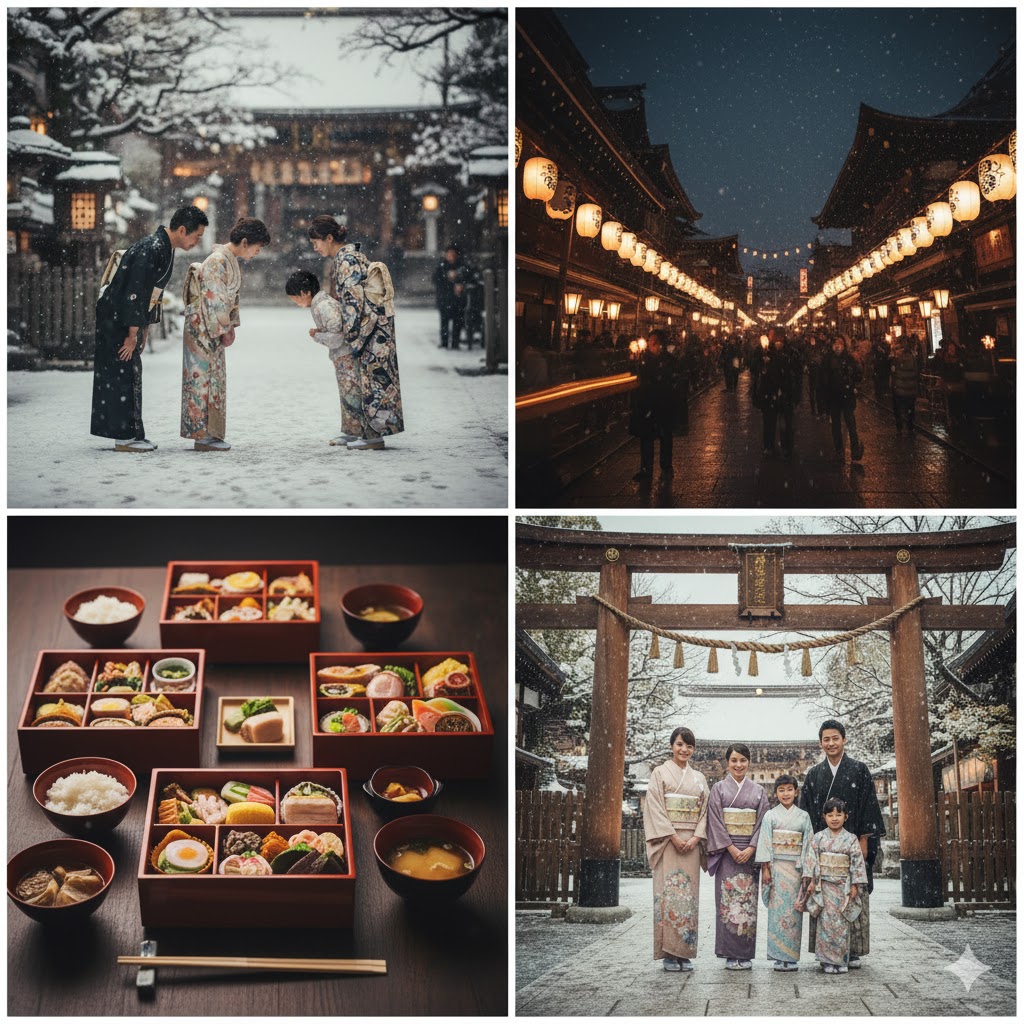
1. Introduction: Understanding Hatsumode – Japan’s Sacred New Year Tradition
When the new year dawns across Japan, millions of people embark on a spiritual journey that has been passed down through generations. This journey is called “Hatsumode” (初詣) – the first shrine visit of the new year. If you’re planning to visit Kyoto during the New Year season, experiencing Hatsumode isn’t just an activity; it’s a gateway into the heart of Japanese spirituality and culture.
Kyoto, Japan’s ancient capital, is the perfect destination to witness and participate in this sacred tradition. With centuries-old temples and shrines nestled throughout the city, Kyoto offers visitors an authentic, deeply moving Hatsumode experience. Whether you’re seeking spiritual blessings, cultural immersion, or simply a memorable adventure, this comprehensive guide will help you navigate Kyoto’s New Year traditions while discovering the best local dining experiences that complement your spiritual journey.
2. What is Hatsumode? The Significance of Japan’s First Shrine Visit
Hatsumode literally translates to “the first shrine visit” and represents one of Japan’s most important cultural practices. Each January, over 100 million Japanese people visit shrines and temples to pray for good fortune, health, and prosperity in the year ahead. This remarkable tradition dates back centuries, with historical records indicating Hatsumode observances occurring as early as the Edo period, and remains deeply embedded in Japanese society today.
The practice is more than religious observance; it’s a family tradition and a way of life spanning generations. Participants typically purchase “ema” (wooden prayer plaques), ring ceremonial bells, make monetary offerings ranging from coins to bills, and receive formal blessings from priests trained in spiritual practices. Many visitors also purchase “omamori” (protective amulets) believed to bring luck in various aspects of life – from academic success and exam preparation to safe travels, good health, safe driving, and romantic relationships.
Why is Hatsumode so profoundly important to Japanese people? The answer lies fundamentally in the spiritual significance of new beginnings and rebirth. Japanese culture places tremendous value on fresh starts, renewal, and the cyclical nature of time. By visiting a shrine during the first days of the year, visitors symbolically cleanse themselves of the previous year’s misfortunes, negative energy, and spiritual burdens, inviting positive energy for the months ahead. This practice creates powerful spiritual continuity, connecting modern Japan to its ancient spiritual roots and creating meaningful bridges between contemporary life and centuries-old traditions maintained across generations.
3. Historical Development of Hatsumode Traditions
The Hatsumode tradition evolved over centuries, developing from Buddhist and Shinto religious practices into the comprehensive cultural phenomenon recognized today. During Japan’s feudal period, visiting shrines held significant spiritual and social importance. As Japan modernized during the Meiji Restoration, Hatsumode transformed into a nationwide cultural practice accessible to people from all social classes.
The democratization of Hatsumode represents a fascinating aspect of Japanese cultural history. What once involved complex rituals requiring priestly mediation evolved into a practice that ordinary people actively participate in directly. This shift occurred alongside Japan’s broader modernization, yet paradoxically, the practice became even more embedded in Japanese identity and cultural consciousness. Today, Hatsumode represents one of Japan’s few remaining national practices that cuts across generational, socioeconomic, and geographic boundaries.
4. Kyoto: Japan’s Spiritual Heart and Hatsumode Destination
Kyoto is undoubtedly Japan’s most significant spiritual center. As the capital of Japan for over 1,000 years, Kyoto is home to more than 1,600 Buddhist temples and 400 Shinto shrines – more than any other Japanese city. This extraordinary concentration of sacred sites makes Kyoto the ideal location to experience authentic, meaningful Hatsumode celebrations that truly capture the essence of Japanese spirituality.
The city’s older districts retain their traditional charm with narrow wooden-machiya houses, winding stone pathways, and centuries-old trees. Walking through these neighborhoods during New Year season feels like stepping back in time. The air fills with the sound of bells ringing from temples, the aroma of incense, and the sight of locals dressed in traditional kimono paying their respects. For international visitors, Kyoto during the Hatsumode season offers an unparalleled opportunity to connect with genuine Japanese culture at its most authentic and spiritually meaningful.
Unlike the massive crowds at Tokyo’s busiest shrines, Kyoto’s Hatsumode experience balances accessibility with spiritual authenticity. You can experience the traditions without being overwhelmed by millions of visitors. The city’s layout also makes it convenient to visit multiple temples and shrines in a single trip while enjoying the surrounding cultural attractions and culinary experiences.
5. Why Kyoto Remains the Premier Hatsumode Destination
Several factors distinguish Kyoto as Japan’s foremost Hatsumode destination for both domestic and international visitors. First, Kyoto’s temples and shrines collectively represent the fullest spectrum of Japanese spiritual traditions. From Zen Buddhism’s contemplative temples to Shinto shrines’ dynamic energy, Kyoto encompasses the complete picture of Japanese spiritual practice that visitors seek.
Second, Kyoto’s tourism infrastructure supports meaningful cultural experiences without sacrificing authenticity. English-language signs, multilingual staff at major temples, and comprehensive tourist services exist throughout the city, yet these modern conveniences don’t diminish the spiritual atmosphere. You can receive reliable information and assistance while still experiencing genuine, undiluted Japanese spirituality.
Third, Kyoto’s neighborhoods maintain extraordinary historical integrity. Many streets in Higashiyama have been designated for preservation, meaning buildings, street layouts, and even utility placement respect historical patterns. This creates an environment where Hatsumode pilgrims genuinely connect with how ancestors experienced these same spiritual practices centuries ago. The continuity of place strengthens the continuity of tradition.
6. The Spiritual Significance of Kyoto’s Geography and Temple Placement
Buddhist temple placement in Kyoto follows principles of sacred geography developed over centuries. Temples aren’t randomly distributed but rather positioned according to spiritual and practical considerations. Mountains to the north and east are believed to channel positive spiritual energy throughout the city. Major temples like Kiyomizu-dera occupy strategic locations where this energy flows most abundantly, creating natural spiritual centers for pilgrimage.
Walking between temples and shrines during Hatsumode season, you’re not simply sightseeing – you’re following spiritual pathways used by countless pilgrims across generations. This realization deepens your experience profoundly. When you climb stairs to Kiyomizu-dera’s main hall, you’re climbing the same stairs that millions have climbed, their spiritual intentions and prayers accumulating in these spaces like invisible layers of blessing and intention.
7. Discovering Kyoto’s Premier Sacred Sites for Hatsumode
7-1. Kiyomizu-dera Temple: The Temple of Pure Water
Perched dramatically on a hillside in Kyoto’s Eastern Highlands, Kiyomizu-dera Temple stands as one of Japan’s most iconic structures. Built in 1633, this UNESCO World Heritage temple overlooks the entire eastern portion of Kyoto. The temple’s name literally means “Temple of Pure Water,” named after the sacred spring flowing from the hillside that has carried spiritual significance for centuries.
During Hatsumode season, Kiyomizu-dera becomes a spiritual nexus for hundreds of thousands of visitors. The main hall features a wooden veranda that juts out from the hillside – a breathtaking sight whether snow-covered or framed by winter’s clear blue sky. This vantage point provides visitors with stunning panoramic views of Kyoto while they offer prayers for the new year, creating a deeply meaningful connection between the individual, the city, and the divine.
The temple’s grounds hold deep spiritual significance rooted in centuries of practice. According to legend, the sacred spring water has healing properties, and visitors traditionally drink from it to receive blessings. During your Hatsumode visit, observe the traditional rituals: purchase an ema plaque, write your New Year wishes, hang it among thousands of others, and observe how your wishes join generations of prayers rising from this sacred space.
7-2. Yasaka Shrine: Kyoto’s Protective Guardian
Located at the base of Higashiyama district near the entrance to iconic Sannenzaka Street, Yasaka Shrine (also known as Gojo Shrine) holds special significance in Kyoto’s spiritual landscape. This venerable Shinto shrine dates back to 656 AD and traditionally serves as the protective guardian shrine for Kyoto city itself, watching over its people and neighborhoods.
During Hatsumode season, Yasaka Shrine offers a more intimate experience than some of Kyoto’s larger temples. The shrine’s grounds remain serene and welcoming despite drawing substantial New Year crowds. Here, visitors can participate in traditional purification rituals and receive blessings from priests who have devoted their lives to spiritual service. The shrine’s location makes it an excellent starting point for exploring the surrounding historic neighborhoods and major temples.
7-3. Fushimi Inari Taisha: Thousands of Vermillion Gates
While not immediately adjacent to the Higashiyama district, Fushimi Inari Taisha deserves special mention as one of Kyoto’s most spiritually significant and visually stunning shrines. Famous for its seemingly endless corridors of vermillion torii (gate) tunnels stretching up the mountainside, Fushimi Inari attracts countless Hatsumode visitors seeking to walk among these distinctive sacred gates that create an almost otherworldly spiritual landscape.
The shrine venerates Inari, the Shinto god of rice, prosperity, and commerce. During New Year, visitors from businesses and families flock here to pray for commercial success, business growth, and good fortune in their ventures. The experience of walking through tunnel after tunnel of torii gates creates an almost meditative atmosphere – a personal journey through layers of spiritual devotion and community prayer. Photography enthusiasts find Fushimi Inari particularly rewarding, especially during early morning hours when mist clings to the hillside.
8. Exploring Higashiyama: Historic Streets and Cultural Neighborhoods
8-1. Sannenzaka and Ninenzaka: Charming Historic Shopping Streets
After paying respects at the temples, visitors naturally wander down Sannenzaka and Ninenzaka – two narrow, atmospheric streets lined with traditional wooden shops, restaurants, and cultural venues. These streets, which lead downhill from Kiyomizu-dera Temple, showcase traditional Kyoto architecture at its finest and most authentic.
Sannenzaka stretches approximately 400 meters and maintains strict architectural guidelines to preserve its historic character. Visitors encounter traditional pottery shops, kimono retailers, cafes, and restaurants housed in century-old buildings. The street’s incline provides interesting views at every corner, and the sound of bells from nearby temples drifts through the air creating an atmosphere of spiritual presence. During New Year season, special decorations transform these streets into a festive, spiritually charged environment unlike anywhere else.
The shops along these streets represent authentic Kyoto craftsmanship passed down through families. Pottery studios display ceramic work created by artisans whose families have practiced their craft for generations. Kimono boutiques showcase textiles featuring traditional patterns and ancient dyeing techniques. Small restaurants offer local specialties and regional dishes unique to Kyoto and this neighborhood. This environment creates natural opportunities for meaningful cultural exchange with shop owners and artisans who take pride in sharing their heritage.
Ninenzaka, parallel to Sannenzaka, offers similar charm with its own unique shops, galleries, and eateries. The two streets form a network where visitors can easily move between them, discovering hidden gems and local treasures at every turn. Locals and visitors alike have navigated these streets for centuries, making them a living connection to Kyoto’s past and present.
8-2. Nenemichi (Nen-en Path): Kimonos and Cultural Immersion
“Nenemichi,” often written as “Nen-en michi” translates to “Kimonos at every shop,” and this charming alley represents one of Higashiyama’s most photographed and culturally significant locations. Lined with traditional wooden buildings and small specialty shops, Nenemichi captures the essence of old Kyoto in a way that contemporary areas cannot.
During Hatsumode season, many visitors dress in rented or personal kimono while exploring this street – a beautiful sight that seems to transport you several centuries backward into Japan’s feudal period. The path connects to other historic areas and provides convenient access to Kiyomizu-dera and surrounding temples. The narrow street, closed to regular vehicle traffic, creates a peaceful pedestrian environment perfect for experiencing authentic traditional Kyoto atmosphere.
Many shops along Nenemichi specialize in accessories that complement traditional dress – hair ornaments, bags, footwear – creating a complete immersive cultural experience for visitors. Even visitors not wearing kimono appreciate the authentic atmosphere and opportunity to observe this traditional culture thriving in its natural setting.
8-3. Historic Temple Neighborhoods: Kodai-ji, Hokanji, and Beyond
Beyond the major temples lie numerous smaller historical temples that maintain quieter, more contemplative atmospheres perfect for personal spiritual reflection. Kodai-ji Temple, built in 1605, offers beautiful gardens and exceptional architectural features with considerably fewer crowds than Kiyomizu-dera. The temple’s peaceful gardens provide serene spaces for meditation and prayer, making it an excellent secondary destination for Hatsumode pilgrims seeking quieter spiritual experiences.
Hokanji Temple, famous for its distinctive five-story wooden pagoda tower constructed in 1440, provides spiritual experiences with an intimate atmosphere. The temple grounds offer multiple smaller shrines and contemplative spaces where you can sit quietly and reflect deeply on your New Year intentions and aspirations for the coming year.
Exploring these smaller temples reveals how Hatsumode traditions manifest across Kyoto’s various neighborhoods in subtle, meaningful ways. While fewer international visitors venture to these locations, they offer profoundly rewarding experiences for those seeking authentic cultural immersion beyond the major tourist sites. The experience of being among locals rather than international tourists creates a qualitatively different cultural encounter.
8-4. The Five Storied Pagoda: Iconic Architecture and Spiritual Symbolism
The Five Storied Pagoda (Gojo Pagoda) stands prominently as one of Higashiyama’s most recognizable and spiritually significant architectural features. This magnificent wooden structure dating to the Edo period offers striking visual beauty and deep architectural appreciation for those interested in traditional Japanese construction techniques developed and refined over centuries of careful practice.
The structure isn’t merely decorative – each level represents profound spiritual principles in Buddhist cosmology and Japanese spiritual understanding. From bottom to top, the levels represent earth, water, fire, wind, and sky – the five elements through which Buddhist philosophy comprehensively understands cosmic reality and human existence. Walking around the pagoda, many pilgrims meditate on these elemental principles and their relationship to natural cycles and personal spiritual development. This meditation practice complements Hatsumode observance by deepening spiritual awareness.
8-5. Kodai-ji Temple and Garden Contemplation
Kodai-ji Temple, constructed in 1605, represents a masterpiece of Japanese aesthetic principles applied to sacred architecture and landscape design. The temple was founded by Toyotomi Hideyori’s mother as a place for contemplation and spiritual practice, and its gardens remain among Kyoto’s most beautifully designed spaces.
The temple’s gardens incorporate principles of Japanese landscape design that create peaceful, meditative environments. Carefully placed rocks represent mountains, water features symbolize rivers and oceans, and vegetation is thoughtfully pruned to create perfect balance and harmony. During Hatsumode season, these gardens provide refuge for pilgrims seeking quiet spaces for personal prayer and reflection away from crowded temple grounds.
8-6. Hokanji Temple: Artistic Heritage and Spiritual Significance
Hokanji Temple, famous for its distinctive five-story wooden pagoda tower constructed in 1440, provides spiritual experiences in an atmosphere characterized by intimate scale and artistic excellence. The temple grounds offer multiple smaller shrines and contemplative spaces where you can sit quietly and reflect deeply on your New Year intentions and personal aspirations for the coming year.
The temple’s connection to Kyoto’s artistic traditions runs deep. Throughout history, artists and poets have found inspiration in Hokanji’s peaceful grounds. This artistic heritage creates a unique atmosphere where spirituality and creativity intermingle, offering visitors a multidimensional cultural experience combining religious practice with aesthetic appreciation.
9. The Sacred Practices of Hatsumode: What to Expect and How to Participate Respectfully
Understanding Hatsumode rituals before your visit enhances your experience substantially and demonstrates respect for Japanese spiritual traditions. These practices, refined over centuries, carry deep significance for Japanese people and deserve thoughtful, respectful engagement. By approaching Hatsumode with cultural sensitivity and genuine interest, you contribute to meaningful cultural exchange and demonstrate appreciation for Japanese heritage.
9-1. Purification at the Water Basin: The Temizuya Ritual
Upon entering any shrine, you’ll encounter a water basin called a “temizuya” (手水舎) – literally a “hand-water pavilion.” This station is not merely decorative or practical – it represents an essential purification ritual steeped in centuries of Shinto tradition and spiritual philosophy. The ritual of purification before approaching sacred spaces exists in numerous spiritual traditions worldwide, reflecting universal human understanding that approaching the sacred requires spiritual preparation.
Visitors use a wooden ladle to rinse their left hand, then right hand, and finally mouth before approaching the inner shrine. This purification process symbolizes cleansing yourself spiritually before presenting yourself before the deity. The action isn’t merely physical washing but represents the spiritual act of leaving worldly concerns and negativity outside the sacred space.
The ritual sequence follows a specific order developed and refined over generations for spiritual efficacy. First, grasp the ladle with your right hand and rinse the left hand thoroughly with fresh flowing water. Next, switch the ladle to your left hand and rinse the right hand completely. Then, use the ladle to pour water into your cupped left hand, bring it to your mouth, and rinse your mouth gently without swallowing the water – this part particularly emphasizes the spiritual rather than purely hygienic nature of the practice. Finally, rinse the ladle itself by standing it upright to let water flow down the wooden handle, returning it to its original clean state for the next visitor.
Observing this ritual before visiting the inner shrine demonstrates respect for the sacred space and connects you directly to centuries of spiritual practice. Pilgrims who have performed this same ritual across generations create an invisible chain of spiritual continuity that contemporary practitioners join when they participate genuinely and respectfully.
9-2. Making an Offering and Ringing the Sacred Bell: Communicating with the Divine
Approaching the altar with purified spirit and body, visitors make a monetary offering – amounts can range from coins (typically 5 or 50 yen coins for symbolic reasons) to bills, with amounts ranging from a few hundred yen to several thousand yen depending on personal preference, financial circumstances, and the significance of requests. The monetary offering represents a reciprocal relationship with the shrine and the divine – you’re not “purchasing” blessings but rather acknowledging that spiritual practice involves exchange and gratitude.
After making your offering, ring the bell hanging above the altar by grasping and pulling the rope decisively. The bell’s resonant sound is believed to attract the attention of the deity and announce your presence and sincere spiritual intentions. The bell’s sound carries spiritual significance – it’s believed to purify the immediate area spiritually and call the divine consciousness to awareness of your presence.
The number of rings varies by tradition and specific shrine practices – some shrines suggest ringing twice, others once, and some suggest no set number at all. If you’re unsure of the proper protocol at a particular shrine, observe other visitors carefully or politely ask temple staff for guidance. Following your ring, offer a moment of profound silence and reflection. Many people clasp their hands together in front of their chest in a gesture called “gasho” (合掌) while offering their New Year wishes silently and sincerely.
9-3. Purchasing Ema: Written Wishes for the New Year and Beyond
One of Hatsumode’s most meaningful and emotionally touching practices involves purchasing a wooden plaque called an “ema” (絵馬) – literally “picture horse,” named for historical ema that featured horses. These small wooden boards typically measure approximately five by ten centimeters and feature beautiful artwork depicting the current zodiac animal or the specific shrine’s unique design on one side. The reverse side provides blank space for personal wishes written by pilgrims.
Visitors write their New Year wishes and aspirations on the back using provided brushes and materials. Common wishes include health and longevity for family members, academic success and exam preparation, career advancement and professional goals, romance and relationship fulfillment, family well-being and harmony, safe travels and protection, and business prosperity and commercial success. The wishes written on these plaques are remarkably personal, deeply moving, and often emotionally powerful – genuine windows into the hopes, dreams, and authentic aspirations of people from all walks of life and backgrounds.
After writing your wish on your ema plaque, carefully hang it on the designated wooden structures throughout the shrine grounds among thousands of other wishes. This creates a profound emotional and spiritual experience – your personal hopes and dreams intertwining visibly with millions of others seeking divine blessing and support in the new year. Many visitors report feeling deeply moved when reading others’ wishes or observing the accumulated collection of human hopes.
9-4. Receiving Omamori: Protective Amulets and Spiritual Support
Most shrines and temples throughout Kyoto sell “omamori” (お守り) – small decorative pouches containing blessed paper, sacred objects, or talismans believed to provide spiritual protection and good fortune. These amulets address remarkably specific life areas and concerns: health and wellness, safe driving and vehicle protection, business success and commercial prosperity, romantic relationships and marriage prospects, academic achievement and exam success, protection from accidents and injury, safe childbirth and healthy babies, and numerous other specialized categories.
Many Japanese people habitually carry multiple omamori simultaneously, addressing different aspects of their lives comprehensively. A businessperson might carry a commercial success omamori in their wallet, a traffic protection omamori in their car, a health omamori in their bag, and a romantic relationship omamori in their personal space. This multifaceted approach to spiritual support reflects Japanese understanding that life encompasses numerous dimensions requiring divine attention and protection.
The tradition carries deep roots in Japanese spirituality and practical folk belief developed over centuries. People genuinely believe that omamori provide spiritual protection and concrete divine support for their specific concerns and aspirations. They’re meant to be actively carried in bags and pockets, placed strategically in cars and homes for blessing and protection, or worn in personal spaces. The practice creates continuous spiritual awareness throughout daily life.
An important aspect of omamori tradition involves the annual replacement cycle. At year’s end or when an omamori feels spiritually depleted, the previous year’s omamori should be respectfully returned to a shrine for proper ritual disposal and spiritual rebirth through purification. Many shrines maintain special receptacles for receiving old omamori, treating them with reverence befitting spiritually charged objects. This cyclical practice mirrors broader Japanese cultural appreciation for cycles and renewal.
10. Planning Your Hatsumode Visit: Timing and Practical Considerations
10-1. Best Times to Visit Kyoto for Hatsumode
January 1st through 3rd represents the peak Hatsumode season, with January 1st typically drawing the largest crowds to temples and shrines. However, if you prefer smaller crowds while still capturing authentic Hatsumode atmosphere, visiting January 4th through 7th offers excellent opportunities. This extended period allows visitors to experience meaningful rituals without the overwhelming masses of peak days.
Consider that major temples like Kiyomizu-dera can welcome 100,000 or more visitors during peak hours. Arriving early in the morning – ideally before 8 AM – provides the most peaceful experience. Early morning visits also offer better natural light for photography and substantially shorter lines at ticket counters and offering areas.
10-2. Clothing and Seasonal Preparation: Comfort and Cultural Considerations
Appropriate footwear represents absolutely the most critical decision for successful temple exploration. Temple grounds involve considerable walking distances over stone paths and climbing numerous stairs – sometimes well over one hundred stairs in a single temple visit. Stairs represent a continuous architectural feature of temples, reflecting how most temples strategically occupy hillside locations selected specifically for their spiritual significance and energy. Comfortable walking shoes with excellent traction are substantially preferable to casual sandals or completely flat-soled shoes that lack necessary support and grip.
Good hiking boots or sturdy athletic shoes with cushioned, high-traction soles provide optimal support and safety, particularly concerning potential frost or ice that occasionally forms on temple stairs and pathways during January mornings. Many experienced pilgrims prefer waterproof shoes since morning dew or occasional rain creates wet surfaces. Sock selection matters more than many visitors initially recognize – specialized hiking or merino wool socks wick moisture significantly better than common cotton, preventing the discomfort and potential hypothermia risk from perspiration during extended walking in cold conditions.
Layering clothing represents critical strategy since January in Kyoto presents pronounced temperature fluctuation challenges. Outdoor temperatures frequently drop to 5-10°C in early morning, rising to 10-15°C by afternoon. Temple interiors remain largely unheated, creating significant temperature contrasts when moving between outdoor shrine areas and indoor temple buildings. Outer layers should provide reliable wind protection and effective insulation against cold mountain breezes flowing through temple grounds. Base layers maintaining moisture-wicking properties prevent discomfort and potential health risks from perspiration during active pilgrimage. Mid-layers like fleece or merino wool sweaters provide substantive warmth while allowing tactical temperature adjustment as conditions change.
Hands, ears, and feet particularly benefit from specific protective measures – quality gloves, beanies or earmuffs, and warm thermal socks make significant comfort differences during hours of exposure at temple altars and outdoor shrine areas. Many pilgrims carry hand warmers – small reusable devices generating sustained heat – that dramatically improve comfort and allow fuller engagement with spiritual experiences rather than distraction from cold discomfort.
10-3. Kimono: Optional but Deeply Meaningful Cultural Participation
Many visitors wear traditional kimono for Hatsumode visits, which deepens cultural connection, clearly demonstrates respect for tradition and heritage, and creates beautiful photography opportunities throughout temple neighborhoods and historic streets. Numerous quality rental shops throughout Kyoto’s Higashiyama district offer affordable kimono rentals – typically 4,000-8,000 yen for full-day rental – with professional assistance for proper dressing according to traditional protocols and authentic styling guidelines.
Wearing kimono during Hatsumode carries profound cultural significance extending far beyond merely aesthetic appeal. Japanese people commonly recognize and genuinely appreciate when international visitors make authentic efforts to engage respectfully with traditions rather than simply observing as outsiders. Wearing appropriate cultural clothing represents one concrete, visible way to demonstrate this respect and genuine interest. Additionally, the multi-layer kimono construction provides significant warmth advantages due to layered fabric structure and traditional insulation principles, though traditional footwear (zori sandals or geta wooden clogs) requires specific wearing technique and practice that many international visitors find challenging on potentially icy surfaces.
Traditional kimono undergarments called “juban” provide superior moisture management and thermal regulation that modern western clothing rarely matches effectively. Kimono styling also naturally encourages more deliberate, mindful movement – the restricted stride and careful weight distribution required to wear kimono appropriately creates heightened physical awareness that many visitors report finding unexpectedly meditative and spiritually supportive of their Hatsumode experience.
11. Getting to Kyoto’s Spiritual Sites: Transportation Strategies and Planning
Kyoto’s remarkably efficient and exceptionally well-organized public transportation network makes accessing temples and shrines straightforward and convenient even for international visitors without prior Kyoto experience or extensive Japan familiarity. The comprehensive Kyoto City Bus system operates extensive routes connecting all major temples and neighborhoods throughout the city effectively. The modern subway system, consisting of the Karasuma Line and Tozai Line, provides efficient transportation for longer distances and time-sensitive schedule connections.
Taxis throughout Kyoto operate with integrity and transparency, with meters displaying accurate fares calculated according to established standards. Modern ride-sharing services like Uber and local Japanese equivalents like Taxii provide flexible alternatives for specific situations. However, public transportation typically proves substantially more convenient and considerably less expensive for temple visits and neighborhood exploration.
Purchasing a transportation day pass (bus and subway unlimited day pass) often provides significantly better value than purchasing individual tickets if you plan visiting multiple locations throughout your day. These comprehensive passes typically cost 1,000-1,300 yen and cover unlimited travel on buses and subways for a complete 24-hour period. Strategic travelers often combine scenic walking routes between connected temples with judicious public transportation use for longer distances. This approach allows intimate neighborhood experience and spiritual continuity while reducing overall physical fatigue and permitting visits to substantially more temples than walking alone would allow within reasonable time frames.
12. Refueling Your Spirit: Authentic Dining at Kyoto Ishin
12-1. The Importance of Post-Pilgrimage Nourishment
After experiencing the spiritual heights of Kyoto’s temples during your comprehensive Hatsumode pilgrimage, your body and spirit require substantial nourishment and restorative rest. Physical exertion from climbing temple stairs, spiritual intensity from prayer and meditation, and emotional engagement with centuries-old traditions combine to create a need for authentic, nourishing cuisine. Kyoto Ishin offers the perfect opportunity to refuel with exceptional Japanese cuisine while remaining fully immersed in Kyoto’s profound cultural atmosphere and spiritual energy.
Located at Masuyacho, Higashiyama Ward, Kyoto City, Kyoto Ishin occupies a position of perfect convenience for Hatsumode pilgrims. The restaurant’s geographic positioning relative to major temples and shrines makes it a natural, logical stopping point during your spiritual journey. Whether you’re descending from Kiyomizu-dera’s elevated grounds, exploring the atmospheric Sannenzaka and Ninenzaka streets, or walking downward from Yasaka Shrine, Kyoto Ishin becomes an inevitable and welcome destination.
The restaurant sits comfortably within Kyoto’s sacred geography – close enough to maintain spiritual continuity from temple grounds, yet distinct enough to provide necessary respite and grounding. Many pilgrims find that transitioning from intense spiritual experience to physical nourishment creates a holistic, complete Hatsumode experience addressing mind, body, and spirit comprehensively.
12-2. Udon: Japan’s Essential Comfort Food and Spiritual Sustenance
Kyoto Ishin specializes in udon (うどん) – thick, remarkably chewy noodles served in carefully prepared flavorful broth that represents the true essence of Japanese comfort food at its most authentic. For visitors unfamiliar with this foundational Japanese cuisine, imagine noodles substantially thicker and chewier than typical ramen, featuring a delightful texture that practically melts in your mouth while providing satisfying substance. The broth that accompanies quality udon is complex, deeply satisfying, aromatic, and carefully crafted through time-honored preparation methods.
Udon carries special significance in Japanese food culture that transcends its status as mere sustenance. The dish historically represents hospitality, nourishment, and care. Japanese families serve udon to guests, share it during celebrations, and consume it during recovery from illness or spiritual practice. The simplicity of quality udon – thick noodles, flavorful broth, and perhaps a few carefully chosen toppings – reflects Japanese aesthetic principles emphasizing beauty in simplicity and perfection in fundamentals.
What makes udon particularly special as a post-Hatsumode meal goes beyond nutrition to encompass tradition and spiritual alignment. Udon has been sustaining Japanese people for centuries, providing energy and comfort generation after generation. Temples have long served udon to pilgrims visiting for spiritual practice, establishing udon as the traditional companion to religious observance. This historical connection makes udon a natural, deeply appropriate partner to contemporary Hatsumode practice.
12-3. The Art and Craft of Udon Preparation
At Kyoto Ishin, every bowl of udon represents thoughtful, meticulous preparation and profound respect for ingredients – philosophies and practices perfectly aligned with fundamental Shinto and Buddhist traditions. The restaurant’s commitment to excellence begins with careful ingredient selection. Water quality matters tremendously to noodle texture and broth clarity. The flour blend affects noodle chewiness and flavor absorption. The cooking time determines perfect texture – undercooking leaves noodles insufficiently developed, while overcooking creates mushy disappointment.
The broth itself reflects Japanese culinary philosophy emphasizing deep flavor development through time and technique rather than excessive ingredients. Traditional udon broth typically incorporates kombu (kelp), bonito flakes (dashi), soy sauce, mirin (sweet rice wine), and salt – a remarkably limited ingredient list that produces extraordinary complexity when prepared with mastery. Creating exceptional broth requires patience, attention, and respect for traditional methods that have proven their worth across centuries.
Toppings for Kyoto Ishin’s udon reflect careful seasonal selection and regional specialty ingredients. Seasonal vegetables at their nutritional and flavor peak appear regularly. Green onions provide fresh herbaceous notes. Tempura toppings add textural contrast. Nori (seaweed) contributes umami depth. Each topping selection supports the overall harmony of the dish while introducing subtle variation that keeps the experience fresh despite eating similar fundamental components.
12-4. Seasonal Specialties and Fresh Local Ingredients
Kyoto Ishin emphasizes seasonal ingredients and rotating specialties that thoughtfully change throughout the calendar year according to natural cycles and ingredient availability. Your New Year visit might showcase special New Year-themed offerings showcasing ingredients selected for their significance in Japanese culinary tradition and celebrating the season’s particular offerings. Fresh vegetables, locally-sourced ingredients from regional farmers and suppliers, and traditional preparation methods ensure each visit offers unique discoveries and evolving experiences.
The restaurant’s commitment to quality and seasonal consciousness extends far beyond the udon itself. From the meticulously selected water used in noodle preparation to the careful, measured seasoning of broth, every element reflects the Japanese culinary principle that simplicity, when executed with excellence and respect, surpasses complexity and extravagance. This philosophy aligns perfectly with the spiritual simplicity and mindfulness central to both Hatsumode practice and broader Japanese aesthetic traditions.
12-5. The Mindful Eating Experience: Udon as Spiritual Practice
Dining at Kyoto Ishin transforms into a natural, organic extension of your Hatsumode spiritual journey. The act of eating udon – the gentle, warming envelop of the broth, the satisfying chew of the noodles, the communal, peaceful atmosphere of a traditional Japanese restaurant – provides both physical and deeply meaningful spiritual nourishment after hours of temple walking, climbing stairs, prayer, and personal reflection.
Japanese culture doesn’t maintain strict separation between eating and spiritual practice – both involve mindfulness, gratitude, and respect for natural elements and human effort devoted to creation. Slowing down intentionally to fully experience a bowl of exceptional udon aligns perfectly with the contemplative, meditative qualities inherent in Hatsumode observance. Eat with conscious intention and genuine appreciation. Notice the broth’s subtle, complex flavors unfolding across your palate. Observe the noodles’ perfect texture – not too firm, not too soft. Taste the ingredients’ freshness and quality. Experience the warmth enveloping your body and spirit. This mindful eating practice deepens your overall Kyoto experience in ways extending far beyond the meal itself.
12-6. Welcoming Atmosphere and Cultural Exchange
While Kyoto Ishin celebrates traditional Japanese cuisine and culture with complete authenticity and respect, the restaurant welcomes international visitors warmly and openly. Staff members typically possess functional English language skills, and picture menus with descriptions help navigate potential language barriers effectively. The restaurant’s atmosphere – characterized by genuine Japanese hospitality without performative “tourist entertainment” or artificial exaggeration – means international visitors experience udon authentically, exactly as Japanese locals do.
For many international visitors, dining at Kyoto Ishin represents far more than consuming a meal; it constitutes a meaningful, memorable cross-cultural exchange and genuine connection. You’re not simply eating food prepared by someone else; you’re actively participating in a cultural practice that connects your personal visit to centuries of Japanese tradition and community life. The restaurant’s owner and dedicated staff genuinely understand this deeper significance and treat guests accordingly with respect befitting participants in cultural continuity.
13. Creating Your Perfect Kyoto New Year Experience: Detailed Sample Itinerary
Early Morning (6:00-8:00 AM): Arrive at Kiyomizu-dera Temple as the gates ceremonially open. Participate mindfully in purification rituals at the temizuya water station with calm, meditative intention. Visit the main hall, observe stunning sunrise views over Kyoto from the famous wooden veranda, and fully experience the temple’s peaceful early morning spiritual atmosphere before crowds intensify significantly. Purchase an ema plaque at the temple gift shop, find a quiet contemplative spot, and carefully write your New Year wishes with genuine, heartfelt reflection on your aspirations for the coming year.
Late Morning (8:30-11:00 AM): Begin leisurely descent toward Sannenzaka and Ninenzaka historic shopping streets. Walk slowly and deliberately, observing the narrow streets’ architectural details, traditional building construction, and small shrines along the way. Stop at 2-3 small shops featuring items that genuinely resonate with you – pottery studios, traditional goods, local specialty food items. The morning hours provide superior natural light and noticeably fewer crowds than afternoon hours. If interested in traditional kimono experiences, this represents an ideal time for rental shop visits and professional dressing assistance.
Mid-Day (11:30 AM-1:00 PM): Arrive at Kyoto Ishin for an exceptional, nourishing udon dining experience. Order their house specialty or seasonal offerings that particularly appeal. Eat mindfully and intentionally, taking dedicated time to notice the broth’s subtle, complex flavors, the noodles’ perfect texture and chewiness, and the meal’s profound warming effect on body and spirit. This represents an ideal transition point between morning spiritual intensity and afternoon cultural exploration.
Afternoon (1:30-4:00 PM): Explore Nenemichi historic alley and surrounding atmospheric neighborhoods. Visit one or two secondary temples like Kodai-ji or Hokanji that deliberately offer quieter, more intimate atmospheres than the larger Kiyomizu-dera. Browse pottery shops, art galleries, and traditional craftsperson studios. The afternoon provides particularly peaceful temple experiences and excellent opportunities for deeper personal reflection, creative inspiration, and unhurried cultural observation.
Evening (4:30-6:00 PM): Visit Yasaka Shrine for evening prayers and spiritual practices. The sunset beautifully illuminates the sacred grounds, creating visual beauty and intimate spiritual moments rarely experienced by daytime visitors. Evening crowds typically remain substantially smaller than morning masses. The natural transition to evening creates a qualitatively different spiritual atmosphere worth experiencing explicitly and deliberately.
14. The Geography of Kyoto’s Sacred Sites: Understanding Spiritual Placement and Cosmic Harmony
14-1. The Eastern Mountains and Spiritual Energy Flow
Kyoto’s unique geography places the city strategically between mountains believed to channel spiritual energy beneficially throughout the landscape. The eastern mountains in particular – where Kiyomizu-dera sits prominently – historically hold special significance in Japanese spiritual geography and cosmology. Many major temples positioned themselves strategically to tap into this positive spiritual energy and cosmic harmony. Understanding this geographical context deepens appreciation significantly for why these temples occupy their specific locations and why pilgrim paths developed particular routes.
In Buddhist geomancy principles adapted into Japanese temple placement practices, mountains represent spiritual channels where divine energy concentrates. The eastern direction traditionally symbolizes new beginnings, sunrise, and fresh energy – perfectly aligned with Hatsumode’s New Year renewal themes. Kiyomizu-dera’s hilltop position offers not merely beautiful views but strategic spiritual positioning believed to maximize connection with beneficial cosmic forces.
14-2. The River System and Water Symbolism in Spiritual Practice
The Kamo River flowing through Kyoto central areas carries symbolic significance extending far beyond its practical water-supply function. Water symbolizes purification, flow, renewal, and transformation throughout Japanese spirituality rooted in Shinto and Buddhist traditions. Many experienced Hatsumode pilgrims report finding themselves naturally drawn to riverside areas, and this attraction isn’t accidental or coincidental – it reflects deep cultural associations between water and spiritual renewal that predate modern consciousness and remain active in contemporary spiritual practice.
Traditional Japanese spirituality maintains that water purifies spiritual contamination just as water cleanses physical dirt. This principle explains the temizuya ritual’s emphasis on water as purification agent. The Kamo River’s presence throughout Kyoto creates natural spiritual currents that enhance the city’s overall spiritual potency. Some pilgrims deliberately walk to the river after temple visits, incorporating water contact into their Hatsumode observance for added spiritual benefit.
Contemporary tourism frequently presents visitors with carefully curated, heavily commercialized versions of cultural traditions. Yet Hatsumode remains fundamentally authentic, rooted in genuine spiritual practice rather than tourist-oriented performance. This authenticity creates significant differences in visitor experience. When you participate in Hatsumode, you’re not watching culture from outside – you’re participating in living traditions that millions of Japanese people actively engage with annually.
This distinction matters profoundly. Authentic cultural participation creates genuine connections and meaningful learning rather than superficial entertainment. You learn not by consuming pre-packaged information but through direct experience and sensory immersion. You encounter real Japanese people practicing traditions for genuine spiritual reasons rather than performing traditions for tourist benefit. This creates reciprocal cultural exchange grounded in mutual respect and authentic human connection.
14-3. Personal Transformation Through Spiritual Practice
Many international visitors report that Hatsumode experiences create lasting personal transformation extending far beyond the visit itself. The combination of spiritual practice, cultural immersion, and authentic dining creates cumulative emotional and psychological impact. Reflecting on written wishes, observing thousands of others’ hopes and aspirations, and connecting with spiritual traditions older than modern nations often catalyzes personal perspective shifts and deeper self-awareness.
This transformative potential represents one of Hatsumode’s greatest gifts to visitors. By approaching the experience with genuine openness and respect, you create conditions for personal insight and spiritual growth. This isn’t mystical or vague – it’s psychological reality rooted in the power of ritual, community, and intentional reflection to create meaningful personal change.
14-4. Building Bridges Between Cultures
International Hatsumode participation builds genuine bridges between cultures. Japanese people observe international visitors respectfully participating in their traditions, which typically generates positive feelings and increased cultural confidence. International visitors gain firsthand understanding of Japanese spirituality, aesthetics, and community values, which typically generates increased appreciation and reduced cultural stereotyping.
This mutual understanding carries significance extending beyond individual tourism experiences. Increased cross-cultural understanding contributes to broader global harmony and reduced international tensions. When you participate authentically in Hatsumode, you contribute – in small but real ways – to international understanding and peaceful coexistence.
15. The Geography of Kyoto’s Sacred Sites: Understanding Spiritual Placement
15-1. The Eastern Mountains and Spiritual Energy
Kyoto’s geography places the city between mountains believed to channel spiritual energy beneficially. The eastern mountains in particular – where Kiyomizu-dera sits – historically hold special significance in Japanese spiritual geography. Many major temples positioned themselves strategically to tap into this positive spiritual energy. Understanding this context deepens appreciation for why these temples occupy their specific locations.
The River System and Water Symbolism
The Kamo River flowing through Kyoto central areas carries symbolic significance beyond its practical water-supply function. Water symbolizes purification, flow, and renewal throughout Japanese spirituality. Many Hatsumode pilgrims find themselves naturally drawn to riverside areas, and this isn’t accidental – it reflects deep cultural associations between water and spiritual renewal that predate modern consciousness.
16. Conclusion: Your Kyoto Hatsumode Journey Awaits
Japan’s New Year traditions offer international visitors rare, precious glimpses into authentic cultural and spiritual practice. Kyoto, with its extraordinary abundance of ancient temples, shrines, and spiritual sites, provides the absolutely perfect setting for this meaningful, potentially life-changing experience. By thoughtfully combining the spiritual depth of genuine Hatsumode observance with authentic local dining at Kyoto Ishin, you create lasting memories and deep connections that will resonate profoundly long after your visit concludes.
This New Year season, make meaningful discovery of what millions of Japanese people have known and cherished for centuries. Experience the profound peace and spiritual awakening of authentic Hatsumode practice in Japan’s ancient spiritual capital. Let Kyoto’s sacred sites open your spirit to new possibilities and deeper understanding of both Japanese culture and universal human spirituality. Let authentic cuisine nourish both body and soul profoundly and meaningfully. Your extraordinary Kyoto adventure begins with a single respectful bow at a temple gate and continues enrichingly through every meaningful encounter, observation, and practice along the way.
Make this your year of authentic cultural discovery and spiritual awakening. Make Kyoto your destination for meaningful Hatsumode experience and personal transformation. Make memories that will transform your understanding of Japan, Japanese spirituality, and human cultural practice forever. The sacred traditions await your respectful participation and genuine engagement.
Kyoto Ishin welcomes you to experience Japan’s spiritual traditions while enjoying exceptional udon cuisine. Located perfectly for Hatsumode pilgrims in Kyoto’s sacred Higashiyama district, we honor traditions while welcoming guests from around the world.