
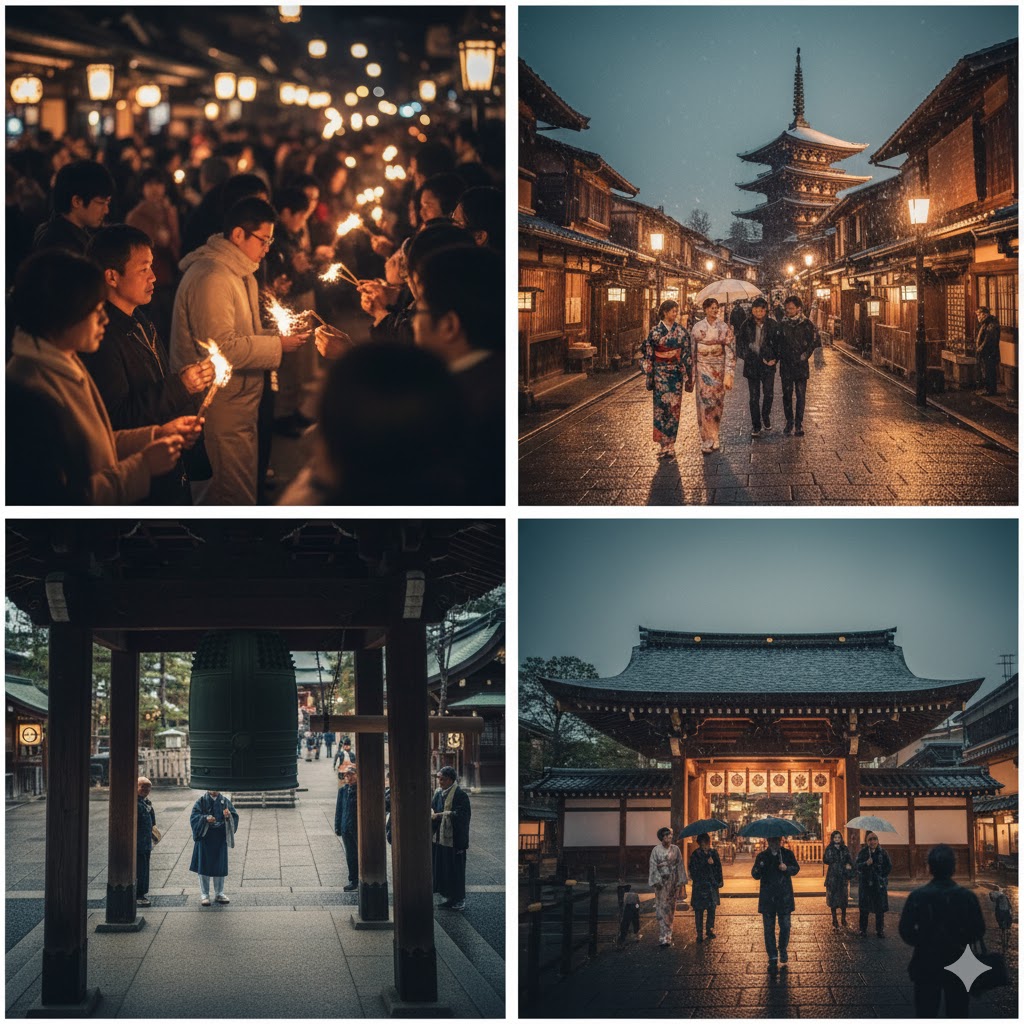
1. Introduction: Why Kyoto Is the Perfect Destination for New Year’s Eve
When most travelers think of New Year’s Eve celebrations, their minds instantly drift to crowded Times Square or bustling city centers. But what if we told you that one of Japan’s most enchanting cities offers a completely different kind of celebration—one rooted in centuries-old traditions, serene temple grounds, and authentic cultural experiences?
Kyoto, Japan’s ancient capital, transforms into a magical wonderland during New Year’s Eve. The city’s spiritual atmosphere combines perfectly with the festive energy of welcoming the new year, creating an experience that feels both timeless and alive with celebration. Whether you’re seeking contemplation at sacred temples or delicious local cuisine to mark the occasion, Kyoto delivers an unforgettable New Year’s Eve like no other place on Earth.
In this comprehensive guide, we’ll walk you through the best way to experience Kyoto’s New Year’s Eve celebration, highlighting the incredible temples and historic sites in the Higashiyama district, and showing you how to cap off your evening with an extraordinary meal at Kyoto Udon Ishin—a hidden gem that perfectly complements your New Year’s adventure.
2. Understanding Kyoto’s New Year’s Traditions: More Than Just Celebration
Before diving into the specifics of where to go and what to do, it’s important to understand the cultural significance of New Year’s Eve in Japan and Kyoto specifically.
2-1. The Spirit of O-Jōya: Ringing in the New Year
In Japan, the New Year—known as “Shogatsu”—represents far more than a date change. It’s a moment of spiritual renewal, family connection, and hope for the year ahead. On New Year’s Eve, known as “O-Jōya,” Japanese people engage in cleaning their homes, paying debts, and clearing negative energy to welcome fresh beginnings.
In Kyoto, this tradition becomes even more profound. Temples ring massive bronze bells 108 times at midnight—a Buddhist practice believed to cleanse 108 human weaknesses and sins. The sound of these bells echoing through Kyoto’s ancient streets creates an atmosphere of pure spiritual awakening that you simply won’t experience anywhere else.
2-2. Why December 31st in Kyoto Matters
Unlike the Western New Year focus on parties and champagne, Kyoto’s celebration emphasizes mindfulness, gratitude, and spiritual consciousness. When you’re standing in a thousand-year-old temple courtyard as the bells ring and fireworks light up the night sky in the distance, you’ll understand why countless pilgrims, tourists, and spiritual seekers make the journey to Kyoto specifically for this occasion.
3. The Higashiyama District: Your New Year’s Eve Exploration Hub
The Higashiyama district in eastern Kyoto is where history literally surrounds you at every corner. Located in Kyoto’s Higashiyama Ward, this area contains some of Japan’s most important cultural treasures and is the ideal base for your New Year’s Eve adventure. The district’s narrow, winding streets—some unchanged for centuries—transport you back in time while also being surprisingly modern and welcoming to visitors.
3-1. Geography and Accessibility
The Higashiyama district is easily accessible by public transportation. The Kiyomizu-Gojo Station on the Kyoto City Subway connects directly to the area. From there, most attractions are within a 10-30 minute walk, making it perfect for exploring on foot. The pedestrian-friendly streets and abundant signage make navigation simple, even during peak season.
3-2. Why Higashiyama Is Perfect for New Year’s Eve
Three key factors make Higashiyama the ideal destination for your New Year’s Eve celebration:
- Concentration of Historic Sites: More temples, shrines, and cultural monuments exist in this district than perhaps anywhere else in Kyoto
- Walkable Layout: All major attractions are within reasonable walking distance, eliminating transportation stress
- Authentic Atmosphere: Despite being a popular tourist destination, the area maintains its traditional character and spiritual essence
4. Must-Visit Temples and Attractions in Higashiyama
4-1. Kiyomizu-dera: The Temple of Pure Water
Standing majestically on a hillside overlooking Kyoto, Kiyomizu-dera is perhaps the district’s most iconic temple. Built in 778 CE, this UNESCO World Heritage Site features an iconic wooden platform that juts out over a steep valley—offering breathtaking panoramic views of Kyoto that become absolutely magical at dusk on New Year’s Eve.
New Year’s Eve Experience: Kiyomizu-dera hosts thousands of visitors for the New Year’s bell-ringing ceremony. If you arrive early—several hours before midnight—you can secure a good vantage point to witness this sacred ritual. The experience of watching pilgrims walk the temple grounds as evening transitions to night is deeply moving.
Pro Tip: The walk up to Kiyomizu-dera takes about 20 minutes from the main shopping area. Wear comfortable shoes and plan to arrive by 9 PM to avoid the worst crowds.
4-2. The Five-Story Pagoda: An Icon of Kyoto
Just minutes from Kiyomizu-dera stands the striking five-story pagoda of Hokanji Temple. This 16-meter-tall structure, originally built in 1440, has become one of Kyoto’s most photographed landmarks. Against the night sky illuminated by traditional lighting, it becomes absolutely ethereal.
Why Visit on New Year’s Eve: The pagoda’s grounds remain open later than usual, offering exceptional photo opportunities and a quieter moment for reflection amid the larger celebrations happening throughout the district.
4-3. Higashiyama Walking Route: Nen-en Zaka, Ninen-Zaka, and Sannen-Zaka
These three interconnected streets form Kyoto’s most charming pedestrian thoroughfare. Each street name literally refers to the year of construction—”nen” meaning year—and they feature perfectly preserved wooden machiya (traditional houses) now converted into shops, restaurants, and galleries.
What to Expect: As you walk these streets on New Year’s Eve, you’ll encounter:
- Traditional Japanese sweet shops selling festive treats
- Kimono rental boutiques where visitors dress in traditional attire
- Art galleries showcasing local craftspeople
- Small restaurants offering local specialties
- Souvenir shops selling Kyoto-specific items
Timing Suggestion: Visit these streets in the late afternoon (3-5 PM) before heading to temples. This timing lets you experience the charming shops while still leaving time for temple visits.
4-4. Yasaka Shrine: Where Spirituality Meets Celebration
Located at the southern end of Higashiyama, Yasaka Shrine (also called Gion Shrine) sits as a spiritual guardian over this historic district. On New Year’s Eve, the shrine fills with visitors seeking blessings for the coming year. The main gate, adorned with massive red lanterns, glows warmly in the evening darkness.
New Year’s Eve Traditions: At midnight, the shrine offers special blessings. Visitors write their hopes for the new year on small wooden plaques called “ema” and hang them throughout the shrine grounds. Reading these hopeful messages—in dozens of languages from around the world—creates a beautiful moment of human connection.
4-5. Kodai-ji Temple: Serenity in the Midst of Celebration
Built in 1606, Kodai-ji Temple offers a more tranquil experience than some of Higashiyama’s busier destinations. The temple’s beautiful gardens and graceful architecture provide excellent photo opportunities, and the overall atmosphere feels calmer than nearby attractions.
Why Consider This Stop: If the crowds at larger temples feel overwhelming, Kodai-ji offers authentic temple experience with less congestion. Arriving here around 10 PM, after visiting busier sites earlier, provides a peaceful transition toward midnight.
5. Timing Your New Year’s Eve Exploration: A Perfect Itinerary
To maximize your experience without exhaustion or frustration, follow this suggested timeline:
- 3:00-5:00 PM: Explore Ninen-Zaka, Sannen-Zaka, and Nen-en Zaka streets. Shop, take photos, enjoy the atmosphere as daylight fades.
- 5:00-6:30 PM: Light dinner or snack. This timing is crucial—you’ll want sustenance before evening temple visits, but not so late that dinner interferes with later activities.
- 6:30-8:30 PM: Visit Kiyomizu-dera or Kodai-ji Temple. Enjoy the twilight beauty and arriving crowds.
- 8:30-10:00 PM: Explore Yasaka Shrine and surrounding areas. Write an ema at the shrine expressing your hopes for the new year.
- 10:00-11:30 PM: Final temple visit or quiet contemplation at a location that resonates with you. Avoid areas becoming too crowded as midnight approaches.
- 11:30 PM-12:15 AM: Position yourself to hear temple bells or witness midnight celebrations. Then head to dinner.
6. Cap Off Your New Year’s Eve at Kyoto Udon Ishin: The Perfect Celebration Meal
After spending hours exploring Kyoto’s sacred temples and historic streets, your body and spirit will crave nourishment. This is where Kyoto Udon Ishin becomes absolutely essential to your New Year’s Eve experience.
6-1. Why Kyoto Udon Ishin Is Special
Located in Kyoto’s Higashiyama Ward at Masuyacho, Kyoto Udon Ishin represents the intersection of Kyoto’s ancient traditions and modern culinary excellence. The restaurant’s philosophy—”Ishin,” meaning “restoration” or “renewal”—perfectly complements New Year’s Eve’s spirit of new beginnings.
Unique Characteristics:
- Locally Sourced Ingredients: Every element of their udon comes from carefully selected Kyoto sources
- Artisanal Preparation: Noodles are made fresh daily using techniques refined over decades
- Seasonal Menu: The menu changes to reflect Kyoto’s four seasons and availability of finest ingredients
- Authentic Atmosphere: The restaurant captures traditional Kyoto elegance without pretension
6-2. The Kyoto Udon Ishin Experience
Walking into Kyoto Udon Ishin feels like stepping into a centuries-old tea house, yet everything about the service and presentation reflects modern hospitality. The wooden interior, warm lighting, and careful attention to detail create an atmosphere that honors Kyoto’s cultural heritage.
6-3. Menu Highlights for New Year’s Eve
Classic Kyoto Udon: The signature dish features hand-pulled noodles in a delicate broth made from carefully selected kombu (seaweed) and bonito flakes. The broth’s subtle sweetness, characteristic of Kyoto cuisine, provides immediate warmth and comfort after hours spent in the cold evening air.
Seasonal Vegetable Udon: During New Year’s period, this dish features fresh vegetables sourced from local Kyoto farms. Each vegetable is selected at peak quality and prepared to maintain its natural flavors and textures.
Premium Seafood Udon: For guests seeking something more elaborate, this dish combines premium udon with fresh local seafood, creating a celebration meal worthy of the occasion.
Cold Udon Option: If you prefer, Kyoto Udon Ishin also offers refreshing cold udon served with a specially prepared dipping sauce, perfect if you’re still warm from walking and temple exploration.
6-4. Why Midnight Udon Makes Perfect Sense
In Japanese culture, the first meal of the new year carries symbolic significance. Eating udon at Kyoto Udon Ishin after midnight means you’re literally beginning your new year with nourishment and intention. The long noodles symbolize longevity, and the careful preparation by skilled craftspeople represents the care and thoughtfulness with which you’re approaching the year ahead.
Many guests find that after experiencing Kyoto’s spiritual temples and traditions, a simple bowl of exquisite udon provides the perfect closing to their evening—nourishing both body and soul.
6-5. Practical Information for Visiting
Address: Masuyacho, Higashiyama Ward, Kyoto
Hours on New Year’s Eve: Extended hours to accommodate late-night celebrations (call ahead to confirm exact timing)
Reservations: Highly recommended, especially for parties of 3 or more. The restaurant fills quickly during New Year’s period.
Dress Code: Smart casual. Many guests arrive in traditional kimono, but Western casual clothing is perfectly appropriate.
Atmosphere: Warm, welcoming, and celebratory without being loud or chaotic
7. Creating Your Perfect New Year’s Eve Experience: Integration and Flow
The beauty of basing your New Year’s Eve exploration in Higashiyama is how seamlessly everything connects. Here’s how to create a naturally flowing evening:
7-1. The Spiritual Journey
Your day begins with exploration of Kyoto’s tangible history—walking streets unchanged for centuries, touching ancient temple stones, and standing in spaces where countless pilgrims have stood before you. This creates a profound sense of connection to something larger than yourself.
7-2. The Celebration Moment
As midnight approaches and temple bells ring out across Kyoto, you’re participating in a tradition that extends back over a thousand years. In that moment, whether you’re standing in a crowded temple courtyard or quietly observing from a nearby street, you’re part of Kyoto’s living history.
7-3. The Nourishment and Reflection
Finally, sitting in Kyoto Udon Ishin with a steaming bowl of udon, the evening comes full circle. You’ve walked through history, participated in tradition, and now you’re nourishing yourself with food prepared by artisans who take the same care with their craft that temple builders took with their sacred spaces.
This integration of spiritual experience, cultural celebration, and sensory nourishment creates an evening that feels complete and meaningful—far more satisfying than any typical New Year’s Eve party could offer.
8. Practical Visitor Information
8-1. Getting to Higashiyama
By Subway: Kiyomizu-Gojo Station (Kyoto City Subway) provides direct access to the district. Trains run throughout the evening.
By Bus: Several bus routes serve the Higashiyama area. On New Year’s Eve, buses run extended schedules to accommodate increased visitors.
By Taxi: While available, taxis become scarce around midnight as demand peaks. Plan to use public transportation or have taxi service arranged in advance.
8-2. What to Bring
- Comfortable Walking Shoes: You’ll walk 3-5 kilometers through the district
- Warm Layers: December evenings in Kyoto are cold. Bring a jacket and perhaps a scarf
- Cash: Many traditional shops and smaller restaurants prefer cash over credit cards
- Camera or Phone: Bring something to capture the magical evening. You’ll want to remember these moments
8-3. Temple Entry and Fees
Most temples charge small entry fees (typically ¥400-600, approximately $3-5 USD). Many waive fees for special New Year’s Eve celebrations. Bring cash for these small expenses.
8-4. Language and Navigation
English signage exists throughout Higashiyama, especially at major temples and popular restaurants. Google Translate app works well for shop signs and menus. Most staff at established restaurants like Kyoto Udon Ishin speak basic English and welcome international visitors warmly.
9. Making the Most of Your New Year’s Eve: Insider Tips
9-1. Arrive Early to Avoid Crowds
If visiting major temples like Kiyomizu-dera, arriving by 9 PM ensures reasonable viewing conditions for the midnight bell ceremony. Arriving after 10 PM means joining massive crowds with limited sight lines.
9-2. Respect Temple Etiquette
When visiting temples during religious ceremonies, maintain quiet respect for worshippers and the sacred nature of the space. Photography rules vary by temple—always look for signs or ask staff before photographing.
9-3. Embrace the Weather
December evenings in Kyoto are cold but crisp and clear. Rather than seeing this as a challenge, embrace the sensory clarity that cold air brings. The chill makes the temple bells sound sharper, makes the air feel more alive, and makes the warmth of a bowl of udon more deeply appreciated.
9-4. Connect With Other Visitors
Whether you’re celebrating alone, with a partner, or with a group, you’ll find yourself surrounded by thousands of others seeking connection and renewal. Brief conversations with fellow travelers—especially those from different countries—often become unexpected highlights of the evening.
10. Why New Year’s Eve in Kyoto Matters: More Than Tourism
Visiting Kyoto for New Year’s Eve isn’t about checking boxes on a tourist itinerary. It’s about participating in one of humanity’s oldest traditions of marking time, celebrating community, and committing to personal renewal. It’s about standing in spaces where meaning has been created and reinforced for over a thousand years.
When you experience the temple bells at midnight, walk the same streets as generations of pilgrims before you, and then nourish yourself with carefully prepared food created by dedicated artisans, you’re doing something profound. You’re connecting with human tradition, with your own capacity for reflection and hope, and with a community of people united in celebrating new beginnings.
Kyoto, with its blend of spiritual depth and culinary excellence, offers exactly this kind of meaningful experience. And Kyoto Udon Ishin, as a restaurant embodying both Kyoto’s ancient traditions and its contemporary artistry, provides the perfect way to complete your New Year’s Eve celebration.
11. Planning Your Trip: Next Steps
- Book Your Accommodations Early: Hotels throughout Higashiyama fill quickly during New Year’s period
- Make Reservations at Kyoto Udon Ishin: Contact the restaurant several weeks in advance for late-night New Year’s Eve reservations
- Check Temple Hours: Confirm specific hours for temples you plan to visit, as some extend hours for New Year’s celebrations
- Download Translation Apps: Prepare your phone with translation apps for convenience
- Plan Transportation: Arrange methods for getting to Higashiyama and throughout the district
12. Conclusion: Your New Year’s Eve Awaits
New Year’s Eve in Kyoto offers something increasingly rare in our modern world: the chance to step outside the ordinary, connect with ancient traditions, and experience genuine celebration grounded in meaning rather than spectacle. Whether you’re seeking spiritual renewal, cultural immersion, or simply an unforgettable evening unlike anything you’ve experienced before, Kyoto delivers.
The temples of Higashiyama will awaken your spirit. The streets will carry you through centuries of history. And Kyoto Udon Ishin will nourish both body and soul with food prepared with the same dedication that craftspeople bring to all of Kyoto’s greatest achievements.
Start planning your New Year’s Eve journey to Kyoto today. Make your reservations. Prepare your heart and spirit. When midnight arrives and the bells ring out across this ancient city, you’ll understand why countless pilgrims and travelers consider New Year’s Eve in Kyoto the most meaningful celebration you can possibly experience.
Welcome to Kyoto. Welcome to your new year.
13. Ready to Experience New Year’s Eve in Kyoto?
Contact Kyoto Udon Ishin to secure your spot for an unforgettable celebration meal in the heart of Higashiyama. Visit us in person after your temple exploration, or call in advance to make a reservation. We look forward to being part of your memorable New Year’s Eve celebration in Kyoto.
Kyoto Udon Ishin
Masuyacho, Higashiyama Ward, Kyoto
Your gateway to authentic Kyoto celebration and tradition