
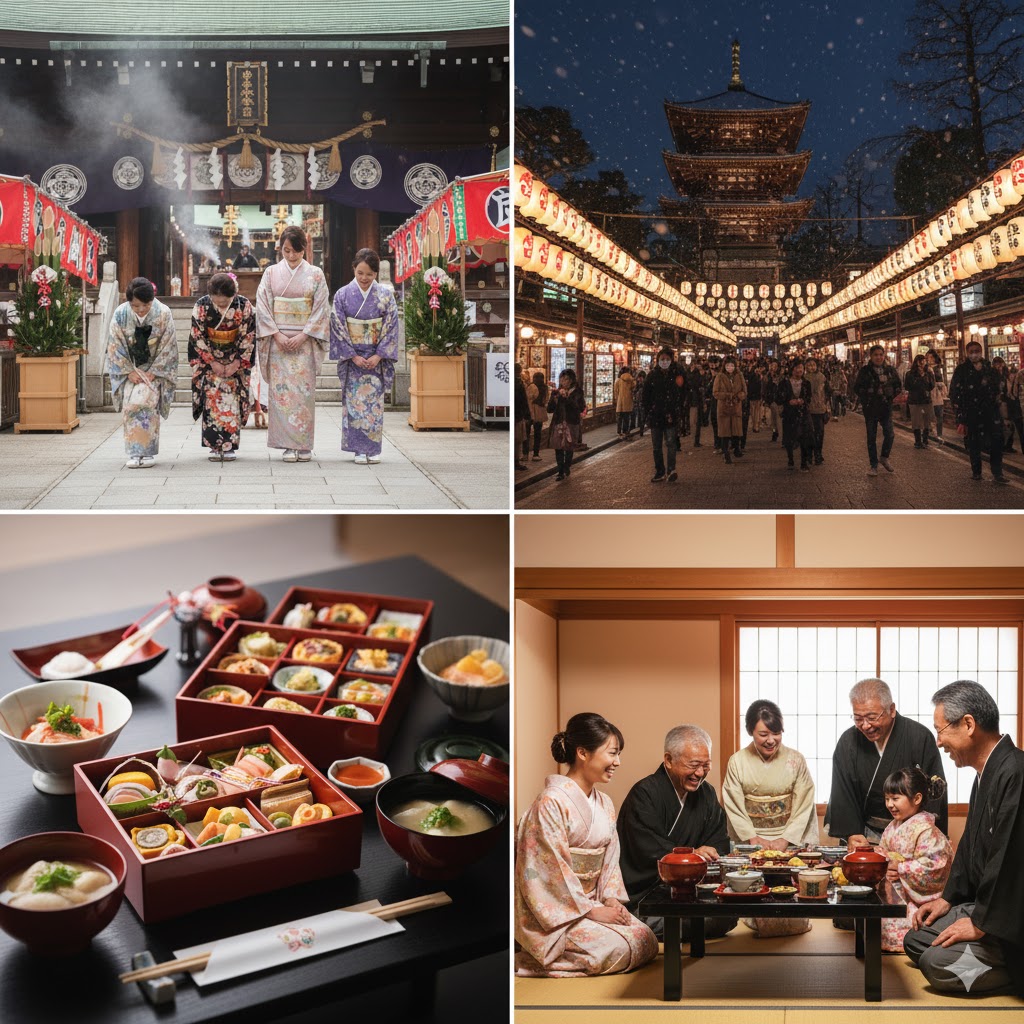
1. Introduction: Welcome to Kyoto’s Most Magical Season
If you’re planning a trip to Kyoto, there’s absolutely no better time to visit than the New Year season—especially during the 2025–2026 period. Japan’s ancient capital, with a history spanning more than 1,200 years, transforms into a place of profound spiritual significance during this time. The centuries-old traditions come alive in ways you won’t experience at any other time of year, and the air itself feels charged with renewal and celebration that touches every corner of the city.
Kyoto is home to over 2,000 Buddhist temples and Shinto shrines, and during the New Year period, these sacred spaces become vibrant gathering points for both locals and tourists alike. But beyond the temples and shrines, Kyoto offers something equally important: the chance to experience authentic Japanese food culture, breathtaking natural landscapes, and a lifestyle that has remained largely unchanged for centuries. This unique combination creates an unparalleled travel experience.
In this comprehensive guide, we’ll explore the best ways to experience Kyoto during the New Year season. We’ll cover the must-see attractions in the Higashiyama district, the spiritual significance of visiting a shrine during this important time, and where to find the most authentic seasonal food experiences. We’ll also discuss the practical aspects of planning your trip, from the best times to visit to what to bring and how to navigate the city respectfully.
Whether you’re a first-time visitor to Kyoto or returning to Japan’s spiritual heart for another adventure, this article will help you make the most of your trip. By the end, you’ll have a clear understanding of what makes the New Year season in Kyoto so special and how to plan an itinerary that balances the famous attractions with hidden gems and culinary experiences that will stay with you long after you’ve returned home.
2. Why Visit Kyoto During New Year 2025–2026?
2-1. Cultural Significance and Spiritual Meaning
The New Year period, known as “Shogatsu” (正月) in Japanese, is Japan’s most important holiday. The celebration dates back centuries, rooted in ancient traditions that welcomed the arrival of a new year and asked for blessings and protection during the year ahead. In Kyoto, this celebration takes on special meaning beyond any other Japanese city.
The city’s temples and shrines become focal points for millions of visitors who come to pray for good fortune, purification, and blessings in the coming year. Unlike the casual holiday atmosphere you might find in Western countries, the Japanese New Year carries deep spiritual weight. It’s a time when people believe they can reset their karma, begin fresh, and align themselves with natural cycles and spiritual forces.
During the New Year period, you’ll witness rituals that have been performed for over a thousand years without significant interruption. The same ceremonies conducted in 1025 AD are performed today with remarkable consistency. You’ll see locals dressed in traditional kimono, some made specifically for New Year celebrations. The sight of families in their finest traditional clothing creates a visual landscape that transports you back in time.
What makes the New Year particularly special in Kyoto is how it blends mass celebration with intimate spiritual moments. While major temples like Kiyomizu-dera will be crowded with thousands of people, you can find quieter corners of smaller shrines and temples where you can experience profound personal moments of reflection and spiritual connection. It’s this balance that makes the New Year season so rewarding for travelers.
2-2. Perfect Weather and Fewer Tourists
While Kyoto’s summer months bring intense heat and humidity that can reach over 35°C (95°F), making sightseeing uncomfortable, the New Year season offers crisp, cool weather that’s absolutely perfect for walking and exploring. Temperatures typically range from near freezing in early mornings (around 0–3°C) to comfortable mid-day temperatures of 8–12°C (46–54°F). This means you can walk for hours without overheating or becoming exhausted.
Additionally, December through early January is considered the shoulder season in Kyoto. This means you’ll have more comfortable crowds than during the peak summer months when Kyoto can feel overwhelmingly busy. Yet you’ll still have enough atmosphere and energy to feel the New Year excitement that permeates the entire city. The crowds, while significant during peak days, tend to move more thoughtfully through the temples and shrines rather than rushing through like they do in summer.
The weather also offers photographers incredible opportunities. Clear winter skies, the interplay of shadow and light in early mornings and late afternoons, frost on temple gardens, and the way winter light filters through temple architecture all create stunning visual moments. The bare branches of winter trees reveal temple structures that are hidden by foliage other times of year.
2-3. Seasonal Foods and Special Cuisine
Every season in Kyoto brings its own culinary treasures, reflecting the Japanese philosophy of eating seasonally for both health and spiritual reasons. During the New Year period, you’ll find special dishes that are only available this time of year, creating a gastronomic landscape you simply can’t experience at other times.
Traditional New Year foods carry symbolic meaning in Japanese culture. Each dish represents wishes for the coming year—longevity, good fortune, prosperity, and protection from harm. Understanding these symbolic meanings as you eat them transforms a simple meal into a culturally rich experience.
You’ll find warming udon dishes that comfort the soul during the cold winter months, mochi (sticky rice cakes) prepared in traditional ways, ozoni (celebratory soup) with regional variations, and special seasonal vegetables at their peak. These aren’t just delicious—they’re expressions of Kyoto’s agricultural calendar and culinary philosophy refined over centuries.
3. The Higashiyama District: Kyoto’s Historic Heart and Premier Destination
Located in the eastern part of Kyoto, the Higashiyama district is home to some of Japan’s most iconic temples, beautifully preserved traditional machiya houses, and scenic walking paths that seem frozen in time. This is where you’ll want to spend the bulk of your time during your Kyoto visit, as nearly every major attraction is within comfortable walking distance of each other.
The Higashiyama district represents the essence of what makes Kyoto special. Unlike many modern Japanese cities that have embraced contemporary architecture, Higashiyama has carefully preserved its historical character. You’ll walk through neighborhoods where the buildings, streetscapes, and rhythms of daily life reflect Edo-period aesthetics and sensibilities.
3-1. Kiyomizu-dera Temple: The Crown Jewel of Kyoto
Why Visit: Kiyomizu-dera (清水寺), whose name means “Pure Water Temple,” is one of Kyoto’s most visited temples and arguably the most photographed. Originally founded in 778—over 1,200 years ago—this UNESCO World Heritage temple is famous for its wooden stage that juts dramatically out from the mountainside, offering sweeping panoramic views of Kyoto spread out below.
The temple itself showcases magnificent examples of traditional Japanese architecture. The main hall, built without a single nail using traditional wooden joinery techniques, is an engineering marvel. The main stage, called the “Kiyomizu Stage” or “Kiyomizu no Butai,” extends about 12 meters (39 feet) from the mountainside at a height of approximately 13 meters (43 feet) above ground level.
What to Expect: During New Year, the temple grounds bustle with activity that creates an almost palpable energy. Visitors perform purification rituals, make wishes, and ring the massive bronze bell for good fortune. Many people line up for hours just to stand on the famous stage and feel the spiritual significance of the location.
The main hall houses a golden statue of Kannon, the Buddhist goddess of mercy and compassion. This statue, carved with exquisite detail, represents the spiritual heart of the temple. The temple’s iconic five-story pagoda (go-juu-no-to), visible from multiple viewpoints around Kyoto, becomes even more striking against winter skies.
New Year Specific Activities: The temple hosts special New Year ceremonies including the ringing of the temple bell exactly at midnight on December 31st. While this draws massive crowds, many people consider it a bucket-list experience. The temple also offers special ema (wish plaques) and fortunes exclusively for the New Year season.
Pro Tip: Arrive early in the morning (before 8 AM) for the most peaceful and rewarding experience. The temple opens at 6 AM during New Year season, giving you a chance to witness the sunrise illuminating the temple and the city beyond, with far fewer visitors around you. The morning mist often lingers in the valley below, creating an almost ethereal atmosphere.
Nearby Dining: After exploring the temple and walking down through the surrounding neighborhoods, head toward Masuyacho, where you’ll find Kyo Udon Ishin (京うどん維新)—a beautiful fusion restaurant that blends traditional Kyoto flavors with thoughtful modern culinary techniques. Their winter udon menu is especially warming and satisfying after temple exploration, and the location provides convenient access to other attractions.
Entrance Fee: 400 yen (approximately $3 USD)
Hours: 6:00 AM – 6:00 PM (extended hours during New Year season)
3-2. Sanjusangendo Temple: The Temple of 1,001 Golden Deities
A short 15-minute walk from Kiyomizu-dera, Sanjusangendo (三十三間堂) is one of Kyoto’s most awe-inspiring and spiritually powerful temples. The name translates to “temple with 33 bays,” referring to its unique architectural structure.
The main hall contains an astonishing 1,001 golden statues of Kannon, the goddess of mercy, arranged in perfect rows. Each statue stands approximately 1.8 meters (5.9 feet) tall, with the central statue notably larger. Standing in this hall, surrounded by thousands of golden figures glowing softly in the temple light, is a profoundly spiritual and almost overwhelming experience.
The Statues’ Significance: Each of the 1,001 statues was originally created as an individual artwork, with variations in pose, expression, and detail. This diversity, repeated across 1,001 figures, was meant to represent the infinite compassion and manifestations of Kannon. Many visitors find themselves drawn to certain statues, feeling unique emotional or spiritual connections.
New Year Experience: During the New Year season, the temple holds special ceremonies where visitors can participate in blessing rituals. These rituals often involve chanting, bell ringing, and receiving blessings from monks. The temple’s intimate, narrow passages create a contemplative and meditative atmosphere throughout the experience.
Photography Note: The lighting in the main hall is intentionally dim to protect the ancient statues. Photography is typically prohibited, which encourages visitors to be fully present and experience the space with reverence rather than through a lens.
Entrance Fee: 600 yen (approximately $4 USD)
Hours: 8:00 AM – 5:00 PM
4. Exploring the Sacred Shrine Network: Spiritual Centers of Higashiyama
4-1. Yasaka Shrine: Gateway to the Higashiyama District
Located at the base of the Higashiyama district, Yasaka Shrine (八坂神社), also known as Gionsha, is one of Kyoto’s most important Shinto shrines and perhaps the most accessible major shrine in the city. Known for its beautiful crimson torii gate and impressive traditional shrine architecture, Yasaka serves as a perfect starting point for exploring the eastern side of Kyoto.
Shrine Significance: Yasaka Shrine was founded in 656 AD and has been continuously honored for nearly 1,400 years. The shrine is dedicated to Susanoo-no-Mikoto, a deity in the Shinto pantheon associated with protection from disaster and disease, as well as purification and healing.
New Year Traditions: During Shogatsu, Yasaka Shrine hosts massive “hatsumode” (初詣) celebrations—the first shrine visit of the new year. Thousands upon thousands of visitors come to ring the large bronze bell, toss coins into the offering boxes, perform the traditional ritual of clapping twice in gratitude, bowing, and making wishes for the coming year. The shrine is beautifully decorated with red lanterns, traditional ornaments, and seasonal decorations that create a festive yet reverent atmosphere.
The Experience: The energy at Yasaka during New Year is electric but orderly. Japanese visitors demonstrate remarkable patience and respect, waiting in organized lines that can stretch for hours. The collective intention of thousands of people praying simultaneously creates a palpable spiritual atmosphere. Many first-time visitors find themselves emotionally moved by the experience, even if they didn’t anticipate being particularly spiritual.
Adjacent Area: Next to the shrine sits the famous Gion district, Kyoto’s most atmospheric geisha neighborhood. While tourists flock to Gion to spot geishas in the evening, the area during New Year takes on a particularly magical quality with the shrine energy infusing the entire neighborhood.
Entrance Fee: Free
Hours: Open 24 hours during New Year season
4-2. Kiyomizu-Gojo Shrine: The Lesser-Known Gem
Just a stone’s throw from Kiyomizu-dera temple, Kiyomizu-Gojo Shrine (清水五条神社) is often overlooked by visitors focused on the larger temples. This is a significant oversight, as the shrine offers unique cultural value and personal spiritual experiences less available at more crowded locations.
This small shrine is dedicated to romance, marriage, and relationships in Japanese cultural mythology. Because of this dedication, it’s a particularly popular spot for couples and those seeking blessings in matters of the heart. Many young women visit specifically to pray for good matches or romantic blessings.
New Year Significance: During New Year, many people view shrine visits as times to reset their romantic intentions. The shrine becomes a gathering place for people looking to invite new possibilities into their romantic lives in the coming year.
Quiet Atmosphere: Because it’s less famous than nearby Kiyomizu-dera, this shrine offers a more intimate and peaceful experience during the New Year season. You’re likely to have genuine moments of quietude and personal reflection, even during the busier times.
5. The Charm of Higashiyama’s Traditional Streets and Pathways
5-1. Ninenzaka and Sannenzaka: Shopping, Culture, and Street Food
Two of Kyoto’s most atmospheric shopping streets, Ninenzaka (二年坂) and Sannenzaka (三年坂), wind charmingly through the Higashiyama district, connecting Kiyomizu-dera temple to the lower parts of the district and eventually reaching the main shopping and entertainment areas. These streets are lined with traditional wooden shops, many family-owned businesses that have operated for generations, selling everything from authentic souvenirs to traditional crafts and contemporary art.
Ninenzaka Details: The name “Ninenzaka” literally means “Second Year Slope.” Local legend suggests that pilgrims who visited during the second year of the Tenki era (around 1053) found relief from illness, making the area sacred for healing and recovery. The street runs steeply downhill and features numerous shops and small restaurants.
Sannenzaka Details: The name “Sannenzaka” means “Third Year Slope,” continuing the legend theme. This street is perhaps slightly more crowded than Ninenzaka and attracts more casual visitors. However, it remains beautifully preserved and offers authentic glimpses of traditional Kyoto commerce.
What You’ll Find: Traditional sweets wrapped in beautiful paper, handmade ceramics in subtle colors reflecting Kyoto aesthetics, silk goods from local weavers, and local snacks that have been sold in the same locations for 50+ years. During New Year, many shops display special holiday goods—decorations, special foods, and gifts. The street architecture itself—with its narrow lanes, traditional wooden merchant houses (machiya), and minimalist shop fronts—transports you back in time.
Street Food Recommendations: Stop by small mochi shops for freshly made mugwort mochi (yomogi mochi) or strawberry daifuku. These local treats are best enjoyed fresh and are perfect for a quick energy boost during your exploration. Try warming mitarashi dango (grilled rice dumplings with sweet soy sauce) at street stalls—the combination of grilled mochi and sweet soy glaze provides both comfort and energy.
Pro Shopping Tip: Prices in these tourist-heavy streets are higher than elsewhere in Kyoto. However, the quality of goods is generally excellent, and you’re paying partly for the experience and authenticity of the location. Most shopkeepers are patient with visitors and enjoy sharing their products’ stories.
5-2. Nene-no-Michi: A Romantic Path Along the Historic Canal
Nene-no-Michi (ねねの道), named after Nene (usually written as 北政所, “Kita no Mandokoro”), the wife of warlord Toyotomi Hideyoshi, is a picturesque stone-paved path that runs alongside the gentle Shirakawa Canal for approximately one kilometer. This peaceful lane is considerably less crowded than the touristy Ninenzaka and Sannenzaka routes, and it offers some of the most photogenic scenes in all of Kyoto.
Why It’s Special: The path is lined with traditional wooden buildings, many now converted into small restaurants, tea houses, and galleries. The combination of the flowing canal, stone pathways, traditional architecture, and minimalist landscaping creates an aesthetic environment that feels removed from the modern world. During New Year, the minimal decorations and quiet atmosphere create a serene contrast to the busier temple areas.
Walking Experience: The path is flat and easy to walk, requiring approximately 20-30 minutes to traverse the full length. However, most visitors take much longer, stopping frequently to photograph scenes, sit by the canal, or peer into shops and galleries along the way.
Photography Gold: The winter light combined with traditional architecture creates stunning photographic opportunities. Late afternoon golden hour (the hour before sunset) is particularly beautiful along this path, with warm light illuminating the wood grain of traditional buildings and creating long shadows that add depth to compositions. Early morning mist sometimes lingers along the canal, creating almost painterly scenes.
Dining Opportunity: Several excellent restaurants line Nene-no-Michi, offering everything from casual snacks to formal kaiseki dining. However, if you want something truly special—modern Kyoto cuisine that honors tradition while innovating thoughtfully—make your way to the nearby Kyo Udon Ishin in Masuyacho (桝屋町). Just a short 10-minute walk from this scenic path, this restaurant perfectly captures the spirit of contemporary Kyoto while honoring traditional tastes and preparation methods. The location is perfectly positioned for a dining break during your Nene-no-Michi exploration.
Perfect for: Photography enthusiasts, couples, those seeking peaceful moments, and anyone wanting to experience Kyoto’s aesthetic without overwhelming crowds.
5-3. Ishinzaka: The Hidden Gem Alley
An excellent alternative to the increasingly crowded Sannenzaka, Ishinzaka (石塀小路) is a narrower, quieter alley that runs parallel to Nene-no-Michi in some sections. This less-touristy path features atmospheric restaurant fronts, small specialized shops, and traditional lighting that creates an almost film-like setting, particularly in the evening.
Atmospheric Quality: The alley is narrow enough that you feel enveloped by its architecture. The stone walls on one side and wooden buildings on the other create a sense of privacy and intimacy despite being in a tourist district.
Evening Strolls: While many visitors focus on daytime exploration, Ishinzaka rewards evening visits. The traditional stone lanterns and shop lighting create a warm, intimate atmosphere that’s particularly appealing after a day of temple exploration.
6. Kodai-ji Temple: Quiet Spiritual Refuge and Architectural Masterpiece
Located in the upper reaches of the Higashiyama district, Kodai-ji Temple (高台寺) is another UNESCO World Heritage site with a fascinating historical narrative. The temple was founded in 1605 by Nene, the widow of Toyotomi Hideyoshi (the same woman after whom Nene-no-Michi is named). She established the temple to honor her late husband’s memory and to pursue Buddhist practice in her later years.
Architectural Significance: The temple showcases masterful examples of early Edo-period architecture. The temple’s two-story structure and Karamon Gate (Chinese-style gate) are considered architectural treasures. The buildings demonstrate sophisticated joinery and design principles that reflect both Zen Buddhism aesthetics and samurai-era architectural traditions.
Garden Design: Kodai-ji is particularly famous for its stunning gardens, which are designed according to principles of traditional Japanese landscape architecture. The gardens feature carefully placed rocks, water features, and plantings arranged to create multiple “picture frames” of beauty as you walk through the space.
What Makes It Special: Unlike the crowded Kiyomizu-dera, which draws millions annually, Kodai-ji offers a more peaceful experience while maintaining its architectural and artistic significance. This means you can stand in authentic temple spaces, observe genuine spiritual practice, and experience the architecture without feeling rushed or overwhelmed.
New Year Atmosphere: During early January, the temple gardens are often dressed with frost in early mornings. The bare branches of winter trees create stark, beautiful patterns against the morning sky and stone buildings. Winter’s minimalism seems to enhance the Japanese aesthetic principles underlying the garden design. It’s an excellent spot for quiet contemplation and experiencing Kyoto’s spiritual essence without the crowds of major temples.
Garden Architecture: The temple features beautiful tea houses positioned within the gardens, where you can sit, often while warming yourself with hot tea or matcha, and contemplate the landscape. These spaces allow for meditative experiences that temples sometimes don’t provide for non-participants.
Entrance Fee: 600 yen (approximately $4 USD)
Hours: 9:00 AM – 5:00 PM
7. New Year Traditions Explained: What to Expect and How to Participate
7-1. Hatsumode: The First Shrine Visit Ritual
The most important New Year tradition in Japan is “hatsumode” (初詣), which literally translates to “first shrine visit.” This tradition dates back centuries and represents people’s desire to start the new year with spiritual grounding and blessings.
Hatsumode is far more than just visiting a shrine—it’s a ritualized spiritual practice with specific protocols. The experience connects participants to centuries of Japanese spiritual tradition and provides a tangible way to mark the transition into a new year with intentionality.
How to Participate Properly:
- Enter Through the Torii Gate: Pass through the sacred gateway (torii). Some people bow slightly as they pass through, acknowledging the transition from the secular to the sacred space.
- Perform Purification (Temizu): Before approaching the main altar, perform purification by rinsing your hands and mouth at the entrance. Use the water basins (temizu basin) provided. This ritual cleanses both physical and spiritual impurities. The water is kept clean by temple staff throughout the day.
- Approach the Main Altar: Walk respectfully toward the main area. If there’s a line, wait patiently. Japanese visitors demonstrate remarkable patience with this process.
- Make an Offering: Toss a coin into the offering box (saisen). Common amounts are 5 yen or 50 yen, though any amount is acceptable. Some believe the amount matters; others believe intention matters more.
- Perform the Ritual Bow and Clap: Execute the traditional “ni-rei ni-hakushu ippai” gesture. This translates to “two bows, two claps, one bow.” The rhythm and meaning: bow deeply twice, clap your hands together twice (which is believed to call the deity’s attention), and then bow once more respectfully.
- Make a Silent Wish or Prayer: In the moment of silence after the ritual, make your wish or prayer. The focus is on sincerity and clarity of intention rather than the complexity of your request.
The Spiritual Concept: In Shinto belief, this ritual cleanses your spiritual state, requests the deity’s attention, and offers your sincere intention for the coming year. Many Japanese people report feeling emotionally moved and spiritually reset after this ritual, regardless of how religious they consider themselves in daily life.
7-2. Ema: Wooden Wish Plaques and Personal Expression
Throughout Kyoto’s temples and shrines during New Year, you’ll see entire walls covered with small wooden plaques called “ema” (絵馬). These are wishes written by visitors—everything from career success to romantic relationships to healing from illness to educational achievement.
The Ema Tradition: The tradition of ema dates back centuries. The plaques are typically made of wood, measure approximately 15 cm × 10 cm (6 inches × 4 inches), and feature a painted image on one side (traditionally a horse) with blank space on the reverse for writing wishes.
Making Your Own Ema:
- Purchase a blank ema at most temples and shrines (typically 300–500 yen / $2-3 USD)
- Select a marker or pen provided (temples often have them)
- Write your wish or intention clearly on the blank side
- Hang it on the designated wall or rack provided for ema
What to Write: Your wish can be anything sincere. Write in English if Japanese isn’t your language—temple staff understand that international visitors participate in this tradition. Some common wishes include professional success, health recovery, relationship blessings, educational achievement, or personal transformation.
The Experience: The act of writing your intention, hanging it among thousands of others’ wishes, and walking away creates a powerful psychological and spiritual experience. Many visitors report feeling a sense of lightness or clarity after participating.
7-3. Special New Year Foods and Drinks
Every culture has foods associated with important celebrations, and Japan is no exception. New Year foods carry symbolic meaning, and understanding these meanings transforms eating into a culturally rich ritual.
Amazake (Sweet Fermented Rice Drink): A sweet, mildly alcoholic beverage made from fermented rice, typically served warm during New Year. It’s traditionally given to visitors at temples during New Year celebrations and is believed to bring good fortune. The taste is sweet and slightly fruity, and the warmth provides comfort during cold mornings.
Ozoni (New Year Soup): A special celebratory soup that varies by region but typically contains mochi, chicken or fish, seasonal vegetables, and dashi broth. Eating ozoni on New Year’s Day is said to bring prosperity and good health. The mochi particularly symbolizes longevity and continuity of family.
Mochi (Sticky Rice Cakes): These glutinous rice cakes are central to New Year celebrations. Different regions of Japan have different mochi styles and preparations. Kyoto’s version often features subtle, refined flavors incorporating local ingredients like matcha (green tea powder) or fruit. The sticky, chewy texture symbolizes togetherness and the binding of families.
Udon and Warming Broths: Winter udon dishes become increasingly popular during the New Year season. The warmth and comforting flavors of udon broths align perfectly with the cold winter weather and the spiritual renewal of the New Year period. Restaurants throughout Kyoto feature special winter udon menus during this season.
Otoshidama (Money Gift): While not food, it’s worth noting that Japanese parents give money (otoshidama) to children during New Year in special envelopes. This tradition symbolizes the transfer of blessings and wishes for good fortune to the next generation.
8. Dining in Higashiyama: The Culinary Experience and Cultural Immersion
Kyoto’s food culture is formally recognized by UNESCO as a vital part of Japan’s intangible cultural heritage. This recognition acknowledges that Kyoto’s approach to food—deeply rooted in seasonality, respect for natural cycles, and meticulous craftsmanship—represents a culinary philosophy refined over centuries.
In Kyoto cuisine, each ingredient is considered to have a peak moment of expression. Chefs build menus around these seasonal peaks, ensuring that dishes honor both flavor and cultural meaning. Eating in Kyoto is not simply nourishment—it is an act of cultural participation that connects you to centuries of tradition.
8-1. Kyo Udon Ishin: Where Tradition Meets Thoughtful Innovation
Location: Masuyacho (桝屋町), Higashiyama Ward, Kyoto
After a morning at Kiyomizu-dera or a peaceful stroll along Nene-no-Michi, Kyo Udon Ishin offers the ideal dining experience—a beautiful blend of traditional Kyoto flavors and modern culinary creativity.
Locally-Sourced Ingredients Philosophy:
The restaurant works directly with Kyoto farmers to source vegetables and ingredients at peak freshness. You’ll immediately notice richer flavors, exceptional textures, and vibrant colors—results only possible through careful ingredient selection.
Water Quality Matters:
Udon depends heavily on water quality. Kyo Udon Ishin uses carefully selected Kyoto spring water to achieve the perfect noodle texture and broth depth. This level of attention is what distinguishes great udon from average udon.
Seasonal Menu Philosophy:
The menu shifts dramatically with the seasons. During the 2025–2026 New Year period, expect warming broths, winter vegetables, and toppings rooted in traditional seasonal customs.
Thoughtful Innovation:
While respect for tradition remains central, the chefs skillfully incorporate modern elements—pairing seasonal Kyoto vegetables with contemporary preparations to create dishes that feel both familiar and fresh.
Convenient Location:
Within a 10–15 minute walk of Kiyomizu-dera, Ninenzaka/Sannenzaka, Kodai-ji, and Nene-no-Michi. It’s perfectly positioned for lunch or dinner during your Higashiyama exploration.
Recommended Dishes:
- Kyo Specialty Udon: Traditional broth with seasonal vegetables, showcasing Kyoto’s culinary essence.
- Seasonal Limited Menu: Creative, short-term dishes highlighting rare local ingredients.
- Winter Udon Collection: Warming broths and winter vegetables perfect for New Year weather.
Dining Etiquette Tips:
Servers may ask whether you prefer chairs or traditional tatami seating.
Say “itadakimasu” before eating and “gochisousama deshita” after finishing.
These small gestures show respect and enrich your cultural experience.
8-2. Other Dining Options in Higashiyama
Higashiyama offers a wide variety of dining experiences beyond udon:
-
Kaiseki Restaurants:
Traditional multi-course dining featuring seasonal ingredients and artistic presentation. Meals often last 2–3 hours and cost between 5,000–15,000 yen or more. -
Tea Houses:
Quiet spaces offering matcha and sweets, often with garden views—perfect for reflection and rest during your walk. -
Street Food and Casual Eateries:
Along Ninenzaka and Sannenzaka, you’ll find takoyaki, dango, and traditional sweets ideal for quick snacks. -
Gion Restaurants:
Adjacent to Higashiyama, Gion offers options ranging from ramen shops to high-end restaurants requiring advance reservations.
9. Practical Guide: Planning Your New Year Visit to Higashiyama
Planning a New Year visit to Higashiyama requires attention to timing, transportation, and personal comfort. With a bit of preparation, you can turn a beautiful trip into an unforgettable one.
9-1. Best Time to Visit: Seasonal Considerations
Early January (January 1–7): Peak New Year season with maximum spiritual and festive atmosphere and special events throughout temples and shrines. Expect significantly larger crowds, particularly at major temples like Kiyomizu-dera and Yasaka Shrine. The festive energy is palpable, and all New Year traditions are in full swing. Restaurants often have special New Year menus. Streets feature holiday decorations and special goods. However, navigating major temples can feel crowded and require patience.
Late December (December 27–31): Fewer tourists, but still festive atmosphere. Great if you want to avoid the extreme crowds while still experiencing strong New Year energy. You’ll catch preparation activities and see decorations being installed. The anticipation builds as New Year approaches. Some temples and shrines host late-night ceremonies on December 31st that are particularly atmospheric.
January 8–31: Reduced crowds while still maintaining strong seasonal atmosphere. Many New Year decorations remain displayed. Life gradually returns to more normal rhythms, but the spiritual renewal energy remains. This period offers a good balance between experiencing the season and having more accessible temple visits where you can linger and contemplate without feeling rushed.
9-2. How to Get There: Transportation Options
From Kyoto Station: Take the city bus to Gojo-zaka (五条坂) or Kiyomizu-michi (清水道) bus stops. A pleasant 5-minute walk brings you to Kiyomizu-dera. Buses run frequently throughout the day. Purchase an all-day bus pass (700 yen) if planning multiple trips.
By Subway: Take the Tozai Line to Kiyomizu-Gojo Station. Exit and walk east toward the Higashiyama district. This is often faster than buses during rush periods.
Walking Route: For a scenic approach, exit at Gojo Station and walk north through Higashiyama’s residential areas before reaching the temple district. This route adds 15–20 minutes but introduces you to neighborhood life and smaller temples.
Accessibility: Most of Higashiyama’s attractions involve stairs and uneven terrain. While the district is walkable, it’s not particularly accessible for those with mobility challenges.
9-3. How Much Time Do You Need: Itinerary Planning
Quick Visit (3–4 hours): Kiyomizu-dera temple only, quick walk through lower Sannenzaka, potential lunch.
Half Day (5–6 hours): Kiyomizu-dera, Nene-no-Michi walk, lunch at Kyo Udon Ishin, light shopping.
Full Day (8–10 hours): Multiple temples including Kodai-ji, Sanjusangendo, Sannenzaka/Ninenzaka shopping, leisurely meal, ample photography time, rest breaks.
Overnight Experience (20+ hours): Includes late afternoon/evening atmosphere, dinner experience with evening temple visits, sunrise temple visit the next morning, multiple dining experiences.
9-4. What to Bring: Essential Items and Recommendations
- Comfortable Walking Shoes: Essential for cobblestone streets and temple stairs. Choose broken-in shoes with good support.
- Warm Layers: Winter mornings are cold (0–5°C / 32–41°F). Pack thermal underlayers, a sweater, and an outer jacket.
- Camera: The scenery rewards thoughtful photography. A camera with manual settings is ideal, but a smartphone also works.
- Cash: Many smaller restaurants and shops are cash-only. Convenience store ATMs are widely available.
- Small Towel or Handkerchief: Restrooms often lack paper towels. A small towel is standard in Japan.
- Portable Phone Charger: Essential for navigation and photos throughout a long day.
- Translation App: Offline translation helps with menus and signage. Google Translate is a popular choice.
10. Insider Tips for the Best Experience: Secrets from Experienced Travelers
10-1. Visit Early to Avoid Crowds and Experience Magic
The early morning atmosphere in Higashiyama is genuinely magical. Temples are quieter, light is ideal for photography, and you’ll share spaces with local early risers rather than tour groups.
Consider arriving at Kiyomizu-dera between 6:00–7:00 AM. Watching the sunrise over Kyoto from the temple grounds while the city slowly awakens is an experience that many visitors describe as unforgettable.
10-2. Respect Temple and Shrine Etiquette: Show Respect Through Action
- Remove shoes where indicated—never ignore this rule.
- Speak quietly inside sacred spaces; sound carries easily.
- Avoid flash photography inside temples and near sacred artwork.
- Bow lightly when passing through torii gates.
- Do not touch statues, altars, or sacred objects.
- Avoid stepping on the threshold of a torii gate; step over or to the side.
- Remove hats and sunglasses inside temple buildings.
- Refrain from photographing people engaged in worship unless you have explicit permission.
10-3. Learn Basic Japanese Phrases: Communication and Respect
Even a few Japanese phrases can transform your experience:
- Gochisou sama deshita: Thank you for the meal.
- Arigatou gozaimasu: Thank you very much.
- Sumimasen: Excuse me / I’m sorry.
- Itadakimasu: Said before eating to show gratitude.
- Omakase: I’ll leave it up to you (to the chef).
- Oishii desu: This is delicious.
10-4. Take Your Time at Nene-no-Michi: Slow Travel Philosophy
Nene-no-Michi is best enjoyed slowly. Pause at galleries, talk with shopkeepers, and sit by the canal when you can. Many travelers later recall this path as one of the most memorable parts of their trip, precisely because it invites quiet, unhurried discovery.
10-5. Don’t Skip Lunch or Dinner: Food as Cultural Expression
A sit-down meal at a place like Kyo Udon Ishin is not a break from sightseeing—it is sightseeing. Kyoto’s culinary traditions embody the same values of subtlety, balance, and seasonality that you see in its temples and gardens. Eat slowly, notice flavors and textures, and treat the meal as a cultural experience rather than a quick refuel.
10-6. Photography Tips: Capturing Kyoto’s Beauty
- Golden Hour: Shoot during the first hour after sunrise and last hour before sunset for the best light.
- Reflections: Use temple ponds and the canal at Nene-no-Michi for layered compositions.
- Mist: Early morning mist adds depth and mood—plan at least one dawn outing.
- Minimalism: Focus on simple compositions—rooflines, lanterns, or single trees—for powerful images.
- Cloudy Days: Overcast skies often produce rich colors and soft, flattering light.
11. Conclusion: Create Memories That Last a Lifetime
Visiting Kyoto during the New Year 2025–2026 season is far more than checking off famous landmarks. It is an immersion into a living culture where ancient rituals, seasonal foods, and everyday life weave together seamlessly.
In Higashiyama, you’ll walk paths shaped by over a thousand years of history, participate in shrine rituals that continue unbroken from past centuries, and share meals that reflect Kyoto’s deeply rooted culinary philosophy. Whether you’re standing on the wooden stage of Kiyomizu-dera at sunrise, writing a wish on an ema plaque, or warming your hands around a bowl of udon at Kyo Udon Ishin, each moment contributes to a story that will stay with you long after you leave.
New Year in Kyoto is ultimately about renewal—of spirit, intention, and connection. By choosing to be here at this time, you step into that renewal alongside locals who have honored these traditions for generations. Come with an open heart, move at a thoughtful pace, and allow Kyoto to work on you in its quiet, powerful way.
12. FAQ: Your New Year Kyoto Questions Answered
Q: Is it too crowded during New Year?
A: Major temples will be busy, especially January 1–3, but even at peak times, you can find quieter moments and spaces. Arriving early helps significantly. Smaller temples like Kodai-ji offer peaceful experiences throughout the season.
Q: Do I need to speak Japanese?
A: No, but learning basic phrases helps and is appreciated. Most attractions have English signage, and many restaurant menus have English options. Translation apps are invaluable.
Q: What’s the best weather gear for December/January Kyoto?
A: Layering is absolutely key. Temperatures range from near freezing in early mornings (0–5°C) to around 8–12°C during the day. A warm coat, scarf, gloves, and waterproof outer layer are recommended.
Q: How much should I budget for meals?
A: Budget 1,500–5,000 yen per meal depending on the establishment. Kyo Udon Ishin offers excellent value at the mid-range. Casual street food costs 500–1,500 yen. Formal kaiseki experiences cost 10,000+ yen.
Q: Should I visit during New Year or wait for spring?
A: Both seasons have distinct merit. New Year offers spiritual atmosphere, unique traditions, and special foods; spring offers cherry blossoms and warmer weather. Choose based on what resonates with you most deeply.
Q: How do I get good photos without overwhelming crowds?
A: Arrive extremely early (6–7 AM), visit less famous temples, or visit late afternoon. The magic hours produce better photos anyway due to superior light.
Q: Is it appropriate for non-Japanese people to participate in shrine rituals?
A: Absolutely. Temples and shrines welcome all visitors. They appreciate respectful participation. Many visitors find that participating meaningfully in the hatsumode ritual creates deep personal experiences.
13. Additional Resources and Further Reading
- Kyoto Official Tourism Website: kyoto.travel
- Kiyomizu-dera Official Site:
www.kiyomizu.org - Yasaka Shrine Information:
www.yasaka-jinja.or.jp - Kodai-ji Temple:
www.kodaiji.com - Language Resources: Google Translate(offline & camera translation)
- Cultural Context: UNESCO Intangible Cultural Heritage resources on Japanese food culture