
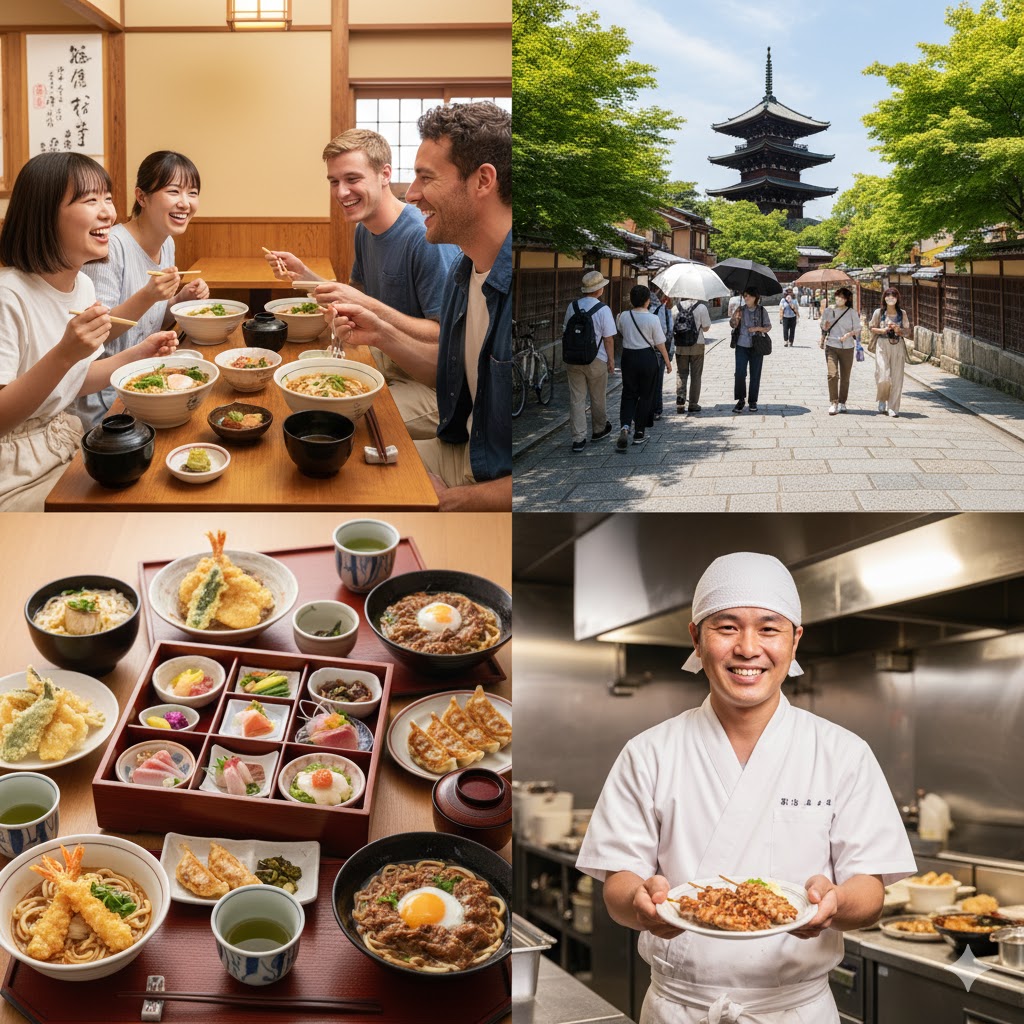
1. Introduction: Where to Eat After Exploring Kyoto’s Sacred Temples
Planning a day trip through Kyoto’s iconic Higashiyama district? You’ve already got your temple itinerary locked down. You know you’re hitting Kiyomizu-dera, wandering through Gion’s geisha district, and exploring the atmospheric narrow streets lined with traditional shops. You’ve read the guidebooks, planned your routes, and scheduled your visits for maximum cultural immersion. But here’s the question every traveler faces, and the one that often gets overlooked: where do you actually eat?
This might seem like a trivial detail. After all, Kyoto is full of restaurants, right? Surely finding a meal shouldn’t be complicated.
But here’s what most travelers discover the hard way: meal planning in Higashiyama is complicated. Higashiyama attracts millions of visitors annually, and while the spiritual and cultural attractions are world-class, the dining situation can feel genuinely overwhelming. You’ll find countless ramen shops and casual cafes scattered throughout the district. You’ll see fast-food options, curry restaurants, and tourist-oriented cafes on every corner.
But wouldn’t you prefer something more authentic? Something that captures the essence of Kyoto’s culinary heritage while actually accommodating your sightseeing schedule? Something that represents genuine Japanese food culture rather than food designed for rush-hour efficiency?
Welcome to the world of strategic Kyoto dining.
This isn’t just about finding any meal. It’s about strategically integrating authentic dining experiences into comprehensive cultural exploration. It’s about understanding how meal timing affects your entire day’s success. It’s about discovering restaurants that respect your time, your budget, and your desire for authentic cultural engagement.
This comprehensive guide will help you navigate Higashiyama’s complex dining landscape and introduce you to Kyo Udon Ishin, a restaurant that’s become the perfect lunch or dinner destination for travelers seriously combining spirituality, culture, and cuisine. Whether you’re absolutely exhausted after hours of temple-hopping and stair-climbing, or energized and ready to refuel for an intensive afternoon of shopping and cultural exploration, this guide has the answers you need.
We’ll break down the temple district strategically, explain how to time meals perfectly, showcase why location matters dramatically, and ultimately help you make informed choices that enhance rather than interrupt your Kyoto experience.
2. Understanding Higashiyama: Kyoto’s Premier Tourist District
2-1. Why Higashiyama Matters to Travelers
Higashiyama, meaning “eastern mountain,” is arguably Japan’s most concentrated area of cultural significance. This historic district contains more UNESCO World Heritage Sites, active temples, and traditional cultural spaces than any comparable neighborhood in Kyoto. If someone tells you they spent one day in Kyoto, they almost certainly spent it in Higashiyama.
The district is divided into several distinct areas, each with unique character and attractions. The Kiyomizu area centers around the famous Kiyomizu-dera Temple. The Gion district represents Kyoto’s traditional geisha culture, with narrow streets where you might glimpse geishas heading to evening engagements. The shopping areas around Ninenzaka and Sannenzaka offer everything from traditional Kyoto crafts to contemporary boutiques. These areas interconnect seamlessly, making Higashiyama ideal for full-day exploration without significant transportation gaps.
2-2. The Challenge: Integration and Timing
Here’s what most travel guides don’t emphasize: integrating meals into your temple and cultural visits requires strategic thinking. Most tourists follow a predictable pattern—they arrive at popular temples between 10 AM and 4 PM, creating bottlenecks in dining spaces during peak lunch hours (noon to 1 PM). Restaurant wait times can stretch 30-60 minutes, and the quality often suffers from volume-oriented cooking.
Smarter travelers approach this differently. They visit temples during off-peak hours (early morning or late afternoon), allowing themselves genuine spiritual experiences without fighting crowds. They strategically time meals for maximum efficiency and quality. And they choose dining destinations that complement their cultural experiences rather than interrupt them.
This is where location strategy becomes crucial. Kyo Udon Ishin’s position at Masuyacho in Higashiyama’s heart puts it within 5-15 minute walks of virtually every major attraction. This isn’t accidental—it’s the logical junction point for any comprehensive Higashiyama itinerary.
3. The Temple Trail: Must-See Sacred Sites in Higashiyama
3-1. Kiyomizu-dera: The Iconic Temple Everyone Must Visit
Kiyomizu-dera (清水寺) is quite possibly Kyoto’s most recognizable landmark. This UNESCO World Heritage Site sits dramatically on a hillside, with its famous wooden terrace jutting out over the surrounding landscape. The temple was founded in 1798 and has been welcoming pilgrims and tourists for over two centuries.
The most striking feature is the main hall’s wooden veranda, which extends approximately 13 meters (43 feet) from the main structure. Standing on this terrace, you get unobstructed views of Kyoto spreading out below you. During cherry blossom season (late March to early April), the view is absolutely transcendent. During fall foliage (November), the surrounding maple trees turn brilliant colors. Even in less spectacular seasons, the architectural beauty and spiritual energy are palpable.
The temple’s name translates to “pure water,” referencing the Otowa Waterfall within the complex. Tradition holds that water from this waterfall has purifying and healing properties. Many visitors participate in the ritual of drinking from the waterfall, believing it grants wishes or improves health.
Pro tip: Arrive by 7:30 AM to experience Kiyomizu-dera with minimal crowds. By 9 AM, tour groups begin arriving. By noon, the temple feels genuinely overcrowded. An early visit takes about 60-90 minutes total, leaving you at Kyo Udon Ishin by 11 AM for a stress-free lunch.
Distance from Kyo Udon Ishin: 15-20 minute walk
3-2. Gojo Pagoda (Five-Story Pagoda): The Photogenic Masterpiece
While technically part of the broader Kiyomizu temple complex, the Five-Story Pagoda (Gojo Pagoda) deserves special mention. This stunning structure stands separately from the main temple, making it a distinct photo opportunity. The pagoda’s classic Japanese architectural lines, with its five gradually diminishing tiers, represent traditional Japanese aesthetic perfection.
During spring and fall, the pagoda is especially beautiful. Cherry blossoms frame it during spring, while fall foliage creates a dramatic backdrop. At night, during special illumination periods (typically spring and fall), the pagoda is lit beautifully, creating an almost ethereal atmosphere.
Photography note: The best angles are from the streets approaching the pagoda, particularly from the Higashiyama shopping street side. Arrive early morning or late afternoon for the most flattering light.
Distance from Kyo Udon Ishin: 15-20 minute walk
3-3. High Kanji Temple (Kiyomizu Gojo): Additional Spiritual Exploration
Adjacent to the main Kiyomizu-dera complex, you’ll find smaller subsidiary temples and shrines. These often receive far fewer visitors than the main temple, making them peaceful alternatives for spiritual practice. Many travelers appreciate these quieter spaces for meditation or contemplation after experiencing the busier main temple.
3-4. Kodai-ji Temple: The Hidden Spiritual Gem
Kodai-ji (高台寺) is where true travelers venture when they want authentic temple experiences without overwhelming crowds. Founded in 1606 by the widow of Toyotomi Hideyoshi (yes, the same Nene from Nene-no-Michi), this temple exudes remarkable spiritual power while remaining surprisingly peaceful.
The temple features beautiful moss gardens, a moon-viewing platform, and a graceful two-story pagoda reflected perfectly in a pond. Unlike some of Kyoto’s more famous temples, you can actually enjoy the space here without feeling rushed. The gardens are meticulously maintained, and the architectural details reward careful observation.
The temple’s history adds depth to the experience. It was built as a memorial temple by Nene, the widow of one of Japan’s most powerful historical figures. This combination of personal mourning and monumental architecture creates something genuinely moving.
Best visited: Mid-morning (9-10 AM) or late afternoon (4-5 PM) when day-trippers are elsewhere. Allow 60 minutes for a thorough visit.
Distance from Kyo Udon Ishin: About 12-15 minute walk
3-5. Yasaka Shrine (八坂神社): Gion’s Guardian Deity
Yasaka Shrine, also known as Gion Shrine, sits at the southern edge of Maruyama Park. This shrine is dedicated to deities of good health, prosperity, and protection. The shrine exudes wonderful spiritual energy and is particularly beautiful in the evening when lanterns glow softly.
The shrine is significant in Gion’s cultural calendar. The famous Gion Matsuri festival, one of Japan’s most important summer festivals held each July, originates from this shrine. Throughout July, the entire Gion district celebrates with elaborate floats, traditional music, and cultural performances.
Even outside festival season, the shrine offers peaceful moments and genuine spiritual connection. The architecture is graceful, and the surrounding park provides natural beauty.
Distance from Kyo Udon Ishin: About 8-10 minute walk
3-6. Anin Konpiragū (安井金比羅宮): The Unique Wishing Shrine
Yasui Konpiragu specializes in a unique Japanese tradition: breaking curses and resolving relationship difficulties. The shrine features a small tunnel you pass through twice—once to represent your current situation and once to represent your desired outcome. Many visitors write their wishes on wooden ema (wish plaques) and leave them at the shrine.
This small shrine offers a different energy from larger temples. It’s intimate, personal, and focused on individual transformation rather than grand spiritual narratives.
Distance from Kyo Udon Ishin: About 8 minute walk
3-7. Kenninji Temple (建仁寺): Zen Contemplation Space
Kenninji is Kyoto’s oldest Zen temple, founded in 1202. The temple features beautiful gardens, a meditation hall, and authentic Zen architecture that emphasizes simplicity and natural beauty.
The temple is particularly famous for its “Twin Dragons” ceiling painting, created by a renowned Edo-period artist. The painting depicts two dragons rising toward a pearl, symbolizing power and aspiration. The ceiling work is remarkable when viewed from the meditation hall floor, creating an immersive artistic experience.
Kenninji represents Zen Buddhist aesthetics at their most refined. The gardens use minimal vegetation and strategic rock placement to create profound visual impact. Visitors often spend 60+ minutes here, moving slowly between spaces and allowing the philosophy to absorb through observation rather than intellectual understanding.
Best visited: Early morning (7-8 AM) or after 4 PM for peaceful contemplation.
Distance from Kyo Udon Ishin: About 10-12 minute walk
3-8. Rokuhara Mitsunoji (六波羅密寺): Historical Power Spot
Rokuhara Mitsunoji is an ancient temple with over 1,000 years of history. The temple was an important pilgrimage site during the Heian period and remains spiritually significant today. The temple houses several important Buddhist sculptures and artifacts, making it valuable for those interested in Japanese art history.
The temple sits in a quieter area of Higashiyama, away from the main tourist thoroughfares. This makes it perfect for travelers seeking authentic temple experiences without orchestrated tours.
Distance from Kyo Udon Ishin: About 8-10 minute walk
3-9. Yasaka Köshin-dö (八坂庚申堂): Instagram-Famous Colorful Temple
Yasaka Köshin-dö has exploded in popularity due to its colorful hanging wish charms (called “kuzuzu” or “koro”). The temple’s walls are covered with hundreds of brightly colored fabric charms, creating a whimsical, Instagram-worthy aesthetic.
While some traditional Japanese travelers find the commercialization regrettable, it’s undeniably unique. The temple attracts younger travelers and provides a fun, colorful contrast to Kyoto’s more austere temples. It’s worth a 15-minute stop if you’re capturing a comprehensive Higashiyama experience.
Distance from Kyo Udon Ishin: About 10-12 minute walks
4. Gion: Kyoto’s Iconic Geisha District
4-1. Understanding Gion’s Unique Culture
Gion is perhaps Kyoto’s most famous neighborhood internationally, immortalized in books and films like “Memoirs of a Geisha.” This historic district has been Kyoto’s center of traditional entertainment and geisha culture for over 300 years. Walking through Gion’s narrow streets at dusk, when geishas head to evening appointments, offers one of Japan’s most atmospheric cultural experiences.
However, Gion requires respectful engagement. Geishas are professionals, not tourist attractions. Photography of geishas without permission is considered deeply disrespectful and is actively discouraged by residents. Treating the district as a living cultural space rather than a museum is essential.
4-2. Hanamikoji Street: Gion’s Most Atmospheric Walkway
Hanamikoji Street runs through Gion’s heart and represents traditional Kyoto at its most beautiful. Wooden machiya (traditional townhouses) line both sides of the street, with carefully maintained gardens visible through windows. Gas lanterns provide evening lighting, creating an incredibly romantic atmosphere.
Restaurants line Hanamikoji, ranging from casual ramen shops to upscale kaiseki establishments. The street captures Gion’s character perfectly—refined, historically conscious, yet genuinely alive with contemporary activity.
Ideal visit time: Late afternoon (around 5-6 PM) when geishas begin moving through the streets but before it becomes too crowded with tourists specifically photographing them.
Distance from Kyo Udon Ishin: About 10 minute walk
4-3. Shirakawa Minami-dori: Gion’s Quieter Side Street
While Hanamikoji gets most tourist attention, Shirakawa Minami-dori offers similar beauty with fewer crowds. This narrow street parallels a small canal and features beautiful traditional buildings and excellent restaurants. Many Kyoto locals actually prefer this street to the more famous Hanamikoji.
Distance from Kyo Udon Ishin: About 12 minute walk
4-4. Gion’s Evening Energy
One key insight: Gion transforms dramatically between day and evening. During daytime, it’s interesting but somewhat dormant. The real magic emerges around 5-6 PM when geishas begin heading to evening engagements, when restaurants light up, and when the district’s nightlife energy becomes palpable. If your itinerary allows, consider timing your Gion visit for late afternoon/early evening rather than midday.
5. Higashiyama’s Shopping and Atmospheric Streets
5-1. Ninenzaka (Second Year Slope): Tourist Shopping Paradise
Ninenzaka connects Kiyomizu-dera to central Higashiyama and represents Kyoto souvenir shopping at its most concentrated. You’ll find traditional sweet shops, matcha ice cream vendors, kimono rental services, and souvenir boutiques. The street captures Kyoto’s kitsch alongside its authentic traditional crafts.
For first-time Kyoto visitors, Ninenzaka is essential. You’ll find every stereotypical Kyoto souvenir here—and actually, many are genuinely good quality. The street’s energy is fun and lively, particularly during afternoon hours.
Pro tip: Arrive by 9 AM or after 4 PM for the most pleasant experience. Midday (11 AM-3 PM) can feel uncomfortably crowded.
Distance from Kyo Udon Ishin: About 2-5 minute walk
5-2. Sannenzaka (Third Year Slope): Upscale Shops and Galleries
Running parallel to Ninenzaka, Sannenzaka is slightly quieter and features more upscale shops and art galleries. This street appeals to travelers seeking higher-quality crafts, contemporary art, and boutique experiences rather than mass-market souvenirs.
Sannenzaka is also where you’ll find excellent restaurants and tea shops. The culinary options tend toward higher-end dining compared to Ninenzaka’s casual eateries.
Distance from Kyo Udon Ishin: About 2-5 minute walk
5-3. Ichinen-zaka (First Year Slope): The Steepest and Most Famous
Ichinen-zaka is the steepest of the three slopes and has become Instagram-famous due to photographers capturing people in rental kimonos against the traditional streetscape. The street itself is beautiful, with traditional wooden buildings and interesting shops, but prepare for significant crowds, especially during peak tourist season.
If you want authentic photos without excessive crowds, visit Ichinen-zaka early (before 8:30 AM) or late (after 5 PM). Midday feels like navigating a crowded music festival.
Distance from Kyo Udon Ishin: About 2-5 minute walk
5-4. Nene-no-Michi (Nene’s Path): Romantic Waterside Stroll
Nene-no-Michi is named after Nene, the wife of Toyotomi Hideyoshi, one of Japan’s most powerful historical figures. This canal-side path stretches about 2 kilometers and represents perhaps Kyoto’s most romantic and atmospheric walkway.
Walking Nene-no-Michi, you genuinely feel transported back in time. The water reflects traditional buildings, maple trees provide natural beauty, and the overall aesthetic feels unchanged from centuries past. Restaurants and small galleries line the path, making it perfect for lunch breaks during longer explorations.
Best time to visit: Late afternoon (3-5 PM) when day-trippers are elsewhere and the street feels more peaceful. Evening (after 6 PM) is magical, with lanterns glowing softly and the entire path illuminated beautifully.
Distance from Kyo Udon Ishin: About 10 minute walk
5-5. Maruyama Park: Nature Amid Urban Beauty
Maruyama Park is Kyoto’s oldest park and offers lush greenery, walking trails, and peaceful meditation spaces. It’s perfect when you need a break from temples and shopping. During cherry blossom season, the park’s famous weeping cherry tree becomes the district’s focal point.
The park sits conveniently between several major attractions, making 30-minute breaks here accessible even in packed itineraries. The peaceful atmosphere provides genuine restoration from sightseeing intensity.
Distance from Kyo Udon Ishin: About 8-10 minute walk
6. Strategic Meal Planning: Timing Your Lunch for Maximum Enjoyment
6-1. The Lunch Dilemma: When to Eat?
Here’s the reality most travel guides ignore: choosing when to eat dramatically impacts your entire day’s experience. Eating at noon means fighting crowds at both restaurants and temples. Eating at 12:30 PM is worse. By 1 PM, most popular restaurants have 30+ minute waits, and you’ve lost prime afternoon sightseeing time.
Smarter travelers eat either:
Early option: Breakfast or very early lunch (8-9:30 AM) before major tourist crowds arrive. This clears your stomach early, allows temple visits during the peaceful morning hours, and leaves afternoons free for shopping and cultural exploration.
Late option: Lunch at 1:30-2 PM, after the initial rush has cleared. Most restaurants see a dip between 1:30-2:30 PM before dinner crowds arrive. This timing also works if you’ve been exploring temples since early morning and genuinely need midday fuel.
Evening option: Early dinner (5-6 PM) transitions your day from sightseeing to dining and evening exploration. This approach works particularly well if you want to experience Gion’s evening energy when geishas emerge and restaurants light up.
6-2. Why Kyo Udon Ishin Fits All Scenarios
Kyo Udon Ishin accommodates all these timing strategies. The restaurant is designed for efficient service without pressure, allowing you to eat quickly if needed or linger leisurely if you prefer. The location at Masuyacho means you’re never more than 15 minutes from any major Higashiyama attraction, making meal timing flexible rather than stressful.
7. Kyo Udon Ishin: Your Perfect Higashiyama Dining Solution
7-1. Why Udon? Understanding This Japanese Staple
Before diving into Kyo Udon Ishin specifically, understanding udon’s place in Japanese cuisine helps contextualize why this restaurant represents smart dining strategy.
Udon is one of Japan’s three great noodle dishes (alongside ramen and soba). With thick, chewy noodles and comforting broth, udon represents the essence of Japanese comfort food. It’s been satisfying people for over 1,000 years, with Kyoto maintaining a particularly strong udon tradition rooted in Buddhist vegetarian cuisine.
Historically, udon served as affordable nutrition for common people. Farmers, merchants, and laborers could afford a satisfying bowl. Today, it remains accessible while evolving into respected culinary art. Premium udon restaurants like Kyo Udon Ishin showcase how this humble dish can be as sophisticated as fine dining.
7-2. Comparing Your Higashiyama Dining Options
Higashiyama offers diverse dining options, and understanding the spectrum helps explain why udon specifically makes sense for touring travelers.
Traditional Kaiseki Restaurants: These represent Kyoto’s highest culinary achievement—multi-course meals showcasing seasonal ingredients and refined technique. However, they typically require reservations weeks in advance and cost ¥8,000-15,000 ($50-100 USD) per person. They’re incredible experiences but lack the spontaneous flexibility tourists need, and they commit you to 2-3 hour meal blocks when you’d rather explore.
Casual Ramen Shops: These offer quick, affordable meals perfect for rushing through. But they’re generic across Japan and don’t represent Kyoto’s specific culinary identity. You could eat this ramen in Tokyo or Osaka with identical experience.
Sushi Restaurants: Quality and traditional but require comfort with raw fish. Many first-time Japan visitors find raw fish intimidating. Additionally, quality sushi restaurants are expensive (¥3,000-8,000 per person) for what should be convenient meal breaks.
Yudofu (Hot Pot Tofu): Wonderful but specifically limited. You’re committing to a single ingredient focus and 45-60 minute meal duration. Great when you want this specifically, limiting for general meal planning.
Tourist Cafes and Fast Food: Convenient but culturally generic. You’re not gaining authentic culinary experience or supporting local food traditions.
Udon at Kyo Udon Ishin: Authentic Japanese cuisine representing centuries of tradition. Affordable (¥900-1,500 / $6-10 USD). Quick but never rushed (15-20 minutes). Accommodates multiple timing strategies (early breakfast, midday lunch, early dinner). Showcases genuine local ingredients and seasonal consciousness. Requires no dietary restrictions or acquired tastes. Genuinely satisfying without guilt-inducing heaviness that might slow afternoon exploration.
Udon occupies ideal middle ground for touring travelers—sophisticated enough to represent authentic cultural engagement, quick enough to fit realistic sightseeing schedules, affordable enough to preserve budget for shopping and other experiences, and universally appealing regardless of dietary background.
7-3. The Location Advantage: Masuyacho’s Strategic Position
Kyo Udon Ishin’s location at Masuyacho (益屋町) in Higashiyama’s heart isn’t random selection—it’s strategic positioning at the intersection of all major attractions. The name Masuyacho translates to “Prosperous House Town,” reflecting its historical significance as a merchant district.
From Kyo Udon Ishin, virtually every major Higashiyama attraction is within 10-20 minute walking distance:
Kiyomizu-dera Temple: 15-20 minutes
Nene-no-Michi: 10 minutes
Gion district: 10-12 minutes
Shopping streets (Ninenzaka, Sannenzaka, Ichinen-zaka): 2-5 minutes
Kodai-ji Temple: 12-15 minutes
Yasaka Shrine: 8-10 minutes
Yasaka Köshin-dö: 10-12 minutes
Kenninji Temple: 10-12 minutes
Rokuhara Mitsunoji: 8-10 minutes
Yasui Konpiragu: 8 minutes
This isn’t incidental convenience. The restaurant’s founders deliberately positioned themselves at the logical junction point for comprehensive Higashiyama exploration.
7-4. What Makes Kyo Udon Ishin Special
Obsessive Water Quality: Udon noodles’ quality depends fundamentally on water. Kyo Udon Ishin sources pristine water from Kyoto’s natural springs, directly impacting noodle texture and broth depth. You genuinely taste the difference with your first sip.
Locally Sourced Ingredients: The restaurant partners directly with Kyoto farmers, sourcing vegetables and seasonal ingredients from regional suppliers. This isn’t marketing—it’s commitment to supporting local agriculture and ensuring absolute freshness.
Patient Broth Development: Udon broth takes time. Kyo Udon Ishin’s chefs spend 24+ hours developing each broth batch, using carefully selected kombu (kelp), bonito flakes, shiitake mushrooms, and other premium ingredients. The result is complex flavor that rewards careful tasting.
Seasonal Menu Evolution: Just as Kyoto’s landscape changes seasonally, so does Kyo Udon Ishin’s menu. Spring brings delicate fresh flavors, summer emphasizes cooling options, fall showcases mushrooms and earthy notes, winter offers warming comfort bowls. This seasonal approach provides genuine reasons to return throughout the year.
Craft Noodle Making: Flour sourcing varies monthly with harvest patterns. Hydration ratios adjust based on seasonal humidity. Kneading technique changes to account for gluten development variations. Chefs taste-test dough at multiple stages, responding to conditions rather than following rigid recipes. This artisanal responsiveness produces consistency without robotic sameness.
7-5. Menu Highlights for Different Preferences
Classic Kake Udon: Sometimes simplicity is perfection. This straightforward bowl of fresh udon noodles in premium broth showcases pure technique and ingredient quality. Order this to understand Kyo Udon Ishin’s philosophy.
Seasonal Specialty Bowls: Limited-time offerings highlight what’s best in Kyoto right now—spring bamboo shoots, summer cooling preparations, autumn mushrooms, winter warming broths. These specials represent the “innovation” within tradition.
Cold Udon (Summer): On hot Kyoto days, nothing matches perfectly chilled udon noodles with concentrated dipping sauce. It’s refreshing, light, and genuinely delicious. The cold preparation actually highlights noodle texture more prominently than warm preparations.
Vegetable-Forward Options: True to Kyoto’s Buddhist culinary heritage, Kyo Udon Ishin excels at vegetable preparations. Unlike restaurants where vegetables feel decorative, here they’re central. Seasonal vegetables are prepared thoughtfully—grilled, pickled, or lightly fried—to optimize their characteristics.
Premium Toppings: Elevate your bowl with tempura vegetables, soft-boiled eggs, or premium nori seaweed. The restaurant treats toppings as complementary elements enhancing the overall experience.
Specialty Broths: Beyond standard dashi broth, limited seasonal broths reflect culinary exploration—miso variations, sesame-infused options, or wild mushroom combinations exclusive to specific seasons.
7-6. The Social and Cultural Dimension of Shared Meals
Eating udon in Kyoto isn’t merely nutritional necessity—it’s cultural participation. There’s something democratically beautiful about udon culture. You sit at counters or simple tables alongside locals, businesspeople grabbing lunch breaks, families, elderly regulars who’ve been eating the same restaurant’s udon for decades, and fellow travelers from around the world. Everyone united by the simple pleasure of a delicious noodle bowl.
In Japanese dining culture, meals represent more than food consumption. They’re moments of intentional restoration and community connection. Even eating alone carries social significance—you’re participating in a public ritual alongside others, maintaining what Japanese call “kinship through shared space.”
Kyo Udon Ishin specifically cultivates this atmosphere. Regular customers chat with staff. Travelers exchange travel tips with locals. The restaurant becomes not just a meal provider but a genuine gathering space where different experiences and cultures intersect through the universal language of appreciating well-prepared food.
This dimension matters for tourist experiences. You’re not just eating—you’re having authentic human encounters with Japanese people and fellow travelers in genuine shared space. These moments often become the most memorable parts of Kyoto trips, transcending the usual tourist-local separation.
7-7. Practical Eating Etiquette You Should Know
Understanding basic udon etiquette shows respect for food and culture:
Slurping is not just acceptable—it’s encouraged. The sound indicates you’re enjoying the meal and appreciating the chef’s work. This mystifies many Western travelers, but embrace it. Audible slurping is normal, expected, and polite in Japanese noodle culture.
Use both chopsticks and spoon naturally. Some grab noodles while lifting bowls to mouths to catch broth. Others use spoons to manage both elements. There’s no single “correct” approach. Watch locals and follow their lead.
Finishing your bowl shows respect. In Japanese dining, leaving food behind can seem wasteful. The staff takes pride in their portions, so eating everything demonstrates respect for their effort and ingredient sourcing.
End with gratitude. After finishing, place chopsticks on the rest, push your bowl forward (indicating you’re done), and say “Gochisousama deshita” (thank you for the meal) with genuine warmth. This phrase connects you to practices resonating across Japan for centuries.
It’s perfectly okay to be casual. While respecting these traditions matters, don’t overthink it. Japanese people are generally patient with travelers making good-faith efforts to engage respectfully. Showing genuine appreciation matters more than perfect execution.
Cost: A typical udon bowl costs ¥900-¥1,500 (approximately $6-$10 USD), offering incredible value for quality food in a premium location.
Meal Duration: Allow 15-20 minutes for eating. The restaurant never pressures you to rush, but most guests complete meals within this timeframe, allowing efficient scheduling.
Ordering: Upon arrival, you’ll see a menu with pictures (typically with English labels at tourist-friendly establishments). Use a vending machine or order directly with staff. Staff are accustomed to international visitors and guide you through the process patiently.
Payment: Most tourist-friendly restaurants accept both credit cards and cash. Tipping is not customary in Japan—the listed price is what you pay.
Seating: Expect simple counter seating or small tables. This isn’t fancy dining, but the quality and authenticity are genuine.
7-8. Integration with Historic Streetscape and Spiritual Flow
Here’s something most travel guides completely miss: successful Higashiyama experiences flow between temples, shopping, dining, and natural spaces in thoughtful rhythms. You’re not just checking boxes on an attractions list. You’re moving through interconnected experiences where meals become part of the spiritual and cultural journey rather than interruptions to it.
This is where Kyo Udon Ishin’s strategic location becomes crucial. By positioning itself at Masuyacho—the geographic heart of virtually every major attraction—the restaurant naturally becomes your pivot point. You complete temple visits, physically relocate to the restaurant (reinforcing that meal is intentional transition), refuel both body and spirit, and then continue exploration energized and grounded.
This rhythm actually enhances both meals and temple experiences. Temples hit differently when you’re not desperately hungry. Meals taste better when you’re not stressed about temple schedules. Restaurants themselves become destinations worthy of attention rather than mere fuel stops.
7-9. Early Start Strategy (Recommended)
7:00-8:00 AM: Arrive at Kiyomizu-dera before mainstream tourist crowds. The temple opens around 6:00 AM in summer, 6:30 AM in winter. Spend one hour exploring in peaceful morning energy.
8:00-8:30 AM: Walk down through Ichinen-zaka (still beautifully quiet) or Ninenzaka, enjoying these famous streets without overwhelming crowds.
8:30-9:00 AM: Optional tea break at a small café, or proceed directly to your next activity.
9:00-11:00 AM: Visit either Kodai-ji Temple (peaceful and genuine) or explore Gion’s morning streets (very quiet and atmospheric). Alternatively, spend time in Maruyama Park’s peaceful environment.
11:00-12:30 PM: Early lunch at Kyo Udon Ishin. This timing means minimal wait, relaxed service, and stress-free meal. You’re eating when most tourists are still at temples.
12:30-2:00 PM: Explore shopping streets (Ninenzaka, Sannenzaka, Ichinen-zaka) while feeling physically restored. With lunch completed, you’re energized for shopping.
2:00-4:00 PM: Visit Nene-no-Michi or other secondary temples (Kenninji, Rokuhara Mitsunoji) when crowds have dispersed. This is when these spaces are most enjoyable.
4:00-5:30 PM: Explore Yasaka Shrine, Yasaka Köshin-dö, or return to favorite shopping areas. These later afternoon hours have pleasant ambiance without midday intensity.
5:30-7:00 PM: Walk through Gion as geishas begin their evening emergence. Stop for early dinner or drinks while experiencing Kyoto’s most atmospheric neighborhood.
7-10. Alternative: Midday Meal Strategy
9:00 AM-1:00 PM: Extensive temple exploration before lunch crowds peak (Kiyomizu-dera, Kodai-ji, Kenninji, Yasaka Shrine).
1:30-2:30 PM: Late lunch at Kyo Udon Ishin (after initial rush, minimal wait). This late timing allows stress-free meal in relaxed atmosphere.
2:30-5:00 PM: Shopping streets and secondary explorations while energized from lunch.
5:00-7:00 PM: Gion evening experience, dinner elsewhere or final temple visits.
8. Beyond Eating: Why Udon Culture Matters
8-1. Connecting With Japanese Tradition Through Food
When you eat udon in Kyoto, you’re participating in a cultural practice spanning centuries. Monks, merchants, artists, and ordinary people have sustained themselves with udon for generations. Eating udon becomes cultural participation rather than mere consumption.
Udon embodies Japanese philosophical principles. The simplicity respects Buddhist aesthetics (nothing unnecessary, everything purposeful). The craftsmanship reflects Japanese attention to detail. The communal eating atmosphere embraces Japanese social values.
8-2. The Udon Eating Experience
Slurping is encouraged. In Japanese noodle culture, audible slurping indicates enjoyment and appreciation of the chef’s work. Don’t be shy—embrace the cultural norm.
Use chopsticks naturally. Some grab noodles while lifting bowls to their mouths. Others use spoons to manage both noodles and broth. There’s no single “correct” way.
Finishing your bowl shows respect. In Japanese dining culture, eating everything demonstrates appreciation for the chef’s portion control and effort.
End with gratitude. Say “Gochisousama deshita” (thank you for the meal) when leaving. This phrase, spoken with genuine warmth, connects you to cultural practices resonating across Japan.
9. Creating Your Ideal Higashiyama Experience: Beyond Checklists
9-1. The Art of Mindful Tourism in Higashiyama
Most travel guides focus on site accumulation—hitting as many temples and attractions as possible, checking boxes on a predetermined list. But experienced travelers recognize that quality trumps quantity. Five hours in Kiyomizu-dera, Gion, and Nene-no-Michi with genuine presence creates richer memories than frantically rushing through twelve sites with only superficial engagement.
Thoughtful meal planning supports this philosophy. By strategically timing meals, you’re not interrupting explorations—you’re punctuating your day with moments of reflection and restoration that make subsequent explorations richer and more meaningful.
Here’s the deeper insight: meals become transition points between different types of experience. Temple visits engage your spiritual and intellectual dimensions. Shopping streets engage your visual and acquisitive dimensions. Dining engages sensory and social dimensions. By alternating between these different experience types rather than trying to cram everything simultaneously, you absorb significantly more and retain stronger memories.
Kyo Udon Ishin sits perfectly at these transition points. Temple visit complete? Transition through meal to shopping. Shopping complete? Transition through meal to evening exploration. Each meal becomes a pivot point making your entire day more coherent, balanced, and ultimately more satisfying.
9-2. Photography and Memory Creation: Finding Balance
Higashiyama is famously photogenic. Traditional architecture, temple gardens, geishas in traditional dress, tourists in colorful rental kimonos—every corner invites photography. This is wonderful for creating memories and sharing experiences with friends remotely. But there’s significant risk of over-focusing on image capture at the expense of direct, unmediated experience.
Experienced travelers recognize that the best Higashiyama memories come from balance. Yes, photograph Kiyomizu-dera’s wooden veranda against the Kyoto skyline. Yes, capture Nene-no-Michi’s romantic evening atmosphere with lantern lighting. Yes, photograph your beautiful meal at Kyo Udon Ishin for your travel blog. But also spend significant time simply observing without camera. Sit in Maruyama Park and let the space affect you without mediating through photography. Walk Gion’s streets at dusk without constantly checking your phone for the perfect shot.
Meals present perfect opportunities for this balance. During your udon meal at Kyo Udon Ishin, photograph your bowl if desired, then put the camera away. Simply eat, observe your surroundings, maybe chat with fellow diners or the restaurant staff. These unmediated moments often create the strongest memories—stronger than any photograph could capture. They’re experiences that exist only in your sensory and emotional memory, not documentable through images, but precisely because of this, they’re often the ones travelers remember most vividly years later.
9-3. Connecting With Local Perspectives
Tourism often creates distance between visitors and locals, turning real people into attractions to be observed or photographed. But authentic travel experiences involve genuine human connection. Eating at Kyo Udon Ishin provides perfect opportunity for this.
Regular customers eat at restaurants like this daily. They have favorite seats, familiar orders, relationships with staff. By eating where locals eat, you’re not participating in a tourist experience—you’re joining ordinary Kyoto community. You might chat with an elderly regular who’s been eating this restaurant’s udon for decades. You might sit next to a businessperson grabbing lunch between work meetings. You might hear conversations in natural Japanese about everyday topics.
These moments—authentic human interactions without the tourist-performance dynamic—often matter more than carefully orchestrated cultural attractions. They remind you that Kyoto isn’t a museum or theme park. It’s a real city where real people live, work, and eat udon for lunch like any other day.
9-4. Personal Reflection and Spiritual Integration
Many Kyoto visitors are drawn by spiritual or contemplative interests. They visit temples seeking genuine spiritual connection or personal reflection. But the bustle of mainstream tourism can undermine this. Crowded temples with group tours and selfie-seeking photographers don’t provide ideal conditions for spiritual practice.
Strategic meal timing combined with early morning or late afternoon temple visits dramatically improves spiritual engagement. And meals themselves become part of this spiritual practice. Eating mindfully, appreciating ingredients and preparation, connecting with the centuries-old practice of udon consumption—these become forms of meditative practice.
Eating at Kyo Udon Ishin, you’re not just consuming food. You’re participating in a tradition spanning over 1,000 years. You’re supporting local farmers and craftspeople. You’re engaging with seasonal consciousness and natural rhythms. You’re sitting in community with other humans. These dimensions transform eating from mere fuel into genuine spiritual practice aligned with Japanese Buddhist aesthetics and values.
10. Practical Logistics: Getting Around Higashiyama Efficiently
10-1. Transportation Options
By Bus: Kyoto’s bus system is excellent and tourist-friendly. From Kyoto Station, take buses 100 or 106 heading east toward Kiyomizu-dera. Journey time is approximately 20 minutes. Consider purchasing an unlimited day pass for multiple trips.
By Train: The Keihan Line connects conveniently to Kiyomizu-Gojo Station, roughly 15 minutes from main Higashiyama attractions.
By Foot: Walking between attractions is pleasant and reveals neighborhoods in ways transportation misses. Most Higashiyama sites are within 15-20 minute walks of each other.
10-2. What to Bring
Comfortable walking shoes: You’ll cover 10+ kilometers in a full Higashiyama day. Broken-in, supportive shoes are essential.
Light backpack: For accumulating souvenirs, water bottles, cameras, and personal items. Keep your hands relatively free for enjoying the experience.
Translation app: Google Translate or similar apps help with menu translation and temple explanations when English signage is absent.
Offline maps: Download Google Maps offline before arrival. WiFi availability is inconsistent in smaller streets.
Reusable water bottle: Stay hydrated. Convenience stores (Lawson, FamilyMart) everywhere offer refilling opportunities.
10-3. Ideal Visit Timing
Spring (March-May): Cherry blossoms and pleasant weather make this peak season. Expect crowds but prepare for stunning scenery.
Summer (June-August): Hot and humid but fewer tourists. Cold udon becomes incredibly appealing. Ideal for authentic, uncrowded experiences.
Fall (September-November): Autumn leaves and perfect weather make this nearly as popular as spring. The colors justify the crowds.
Winter (December-February): Cold but clear with occasional snow. This is when Higashiyama feels most peaceful and meditative. Fewer tourists mean genuine temple experiences without claustrophobia.
11. Wrapping Up: Your Higashiyama Culinary Adventure Awaits
Exploring Higashiyama’s temples, shopping streets, and cultural spaces represents one of Japan’s most complete cultural experiences. But that experience remains incomplete without thoughtful attention to meals.
Kyo Udon Ishin bridges the gap between tourism and genuine cultural engagement. It’s located perfectly for your itinerary, offers authentic Japanese cuisine representing centuries of tradition, and provides affordable quality that respects both your budget and your time.
So plan your visit strategically. Wear those comfortable shoes. Respect the temples’ spiritual significance. And prepare your appetite for the bowl that will complete your Higashiyama experience.
Kyo Udon Ishin: Where temple visits become complete experiences. Where tradition nourishes both body and spirit. Where your Kyoto day finds perfect balance between exploration and restoration.
Your unforgettable Higashiyama moment awaits.
12. Quick Reference: Higashiyama Temple and Dining Map
12-1. Temples and Shrines:
- Kiyomizu-dera Temple – 15-20 minutes from Kyo Udon Ishin
- Gojo Pagoda (Five-Story) – Adjacent to Kiyomizu-dera
- Kodai-ji Temple – 12-15 minutes
- Yasaka Shrine – 8-10 minutes
- Yasui Konpiragu – 8 minutes
- Kenninji Temple – 10-12 minutes
- Rokuhara Mitsunoji – 8-10 minutes
- Yasaka Köshin-dö – 10-12 minutes
12-2. Shopping and Atmospheric Streets:
- Ninenzaka – 2-5 minutes
- Sannenzaka – 2-5 minutes
- Ichinen-zaka – 2-5 minutes
- Nene-no-Michi – 10 minutes
- Gion (Hanamikoji) – 10-12 minutes
- Gion (Shirakawa Minami-dori) – 12 minutes
12-3. Nature and Parks:
- Maruyama Park – 8-10 minutes
12-4. Your Restaurant:
Kyo Udon Ishin (Masuyacho) – The perfect central location
Ready to combine authentic Kyoto temple exploration with exceptional dining? Visit Kyo Udon Ishin and discover why this restaurant has become essential for travelers seeking meaningful Higashiyama experiences.